
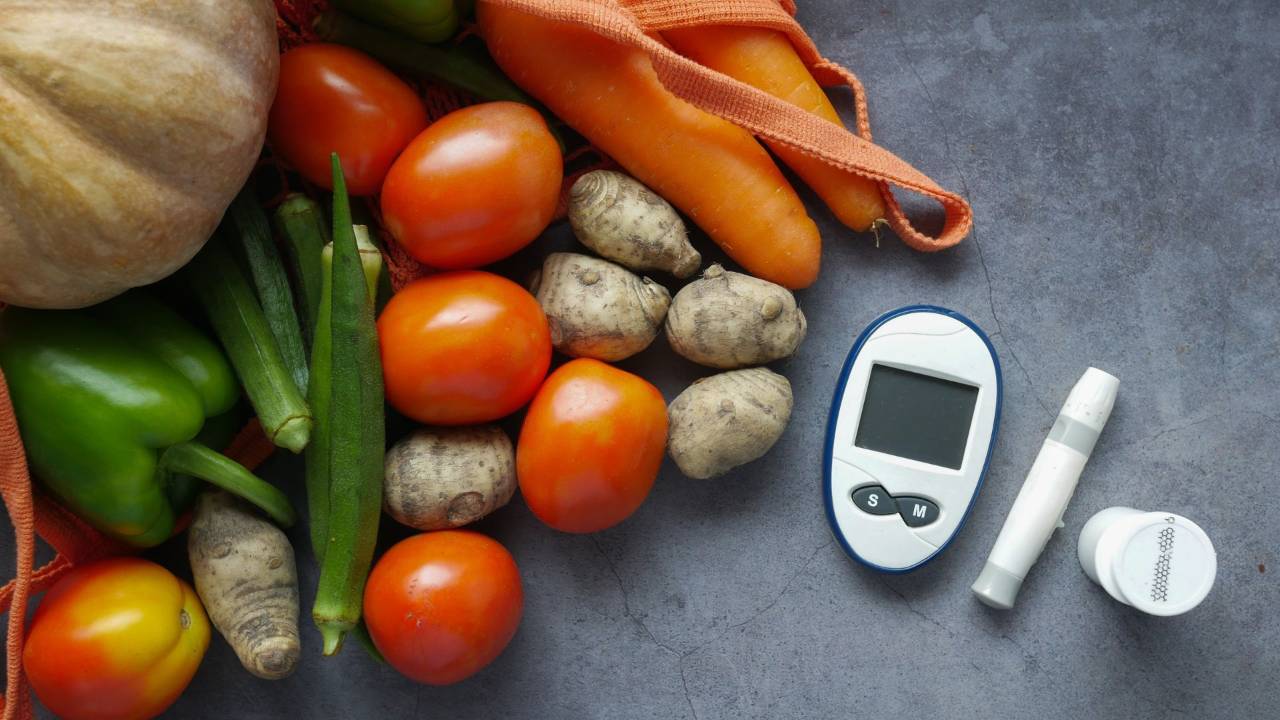
You've started eating better, you're walking more, perhaps you've even joined a gym. You're making a genuine effort to improve your health, but there's one frustrating problem. Every time you step on the scales, the number is almost exactly the same.
It's incredibly easy to interpret that as failur...
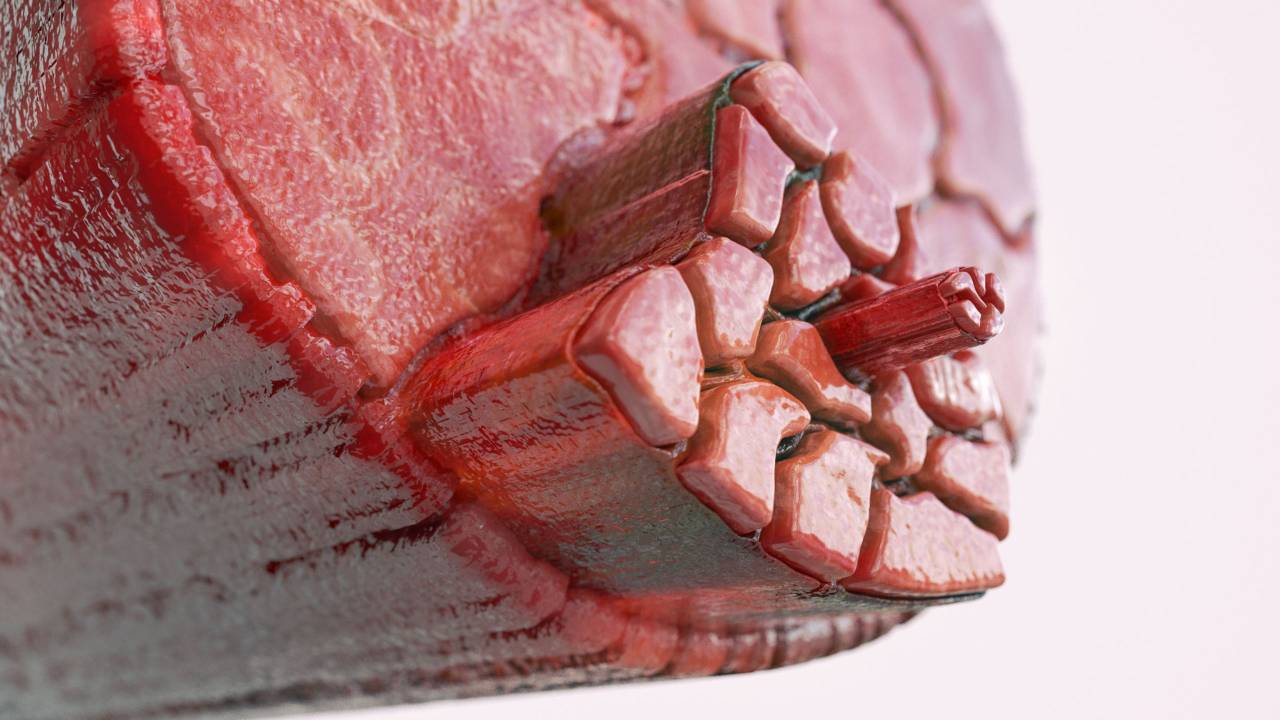
When we think about blood sugar control, we tend to focus on the pancreas and the hormone insulin. But there's another organ that plays an absolutely enormous role in how our bodies handle glucose, and it's one we don't always think of as being involved in metabolic health.
Our muscles.
Skeletal m...
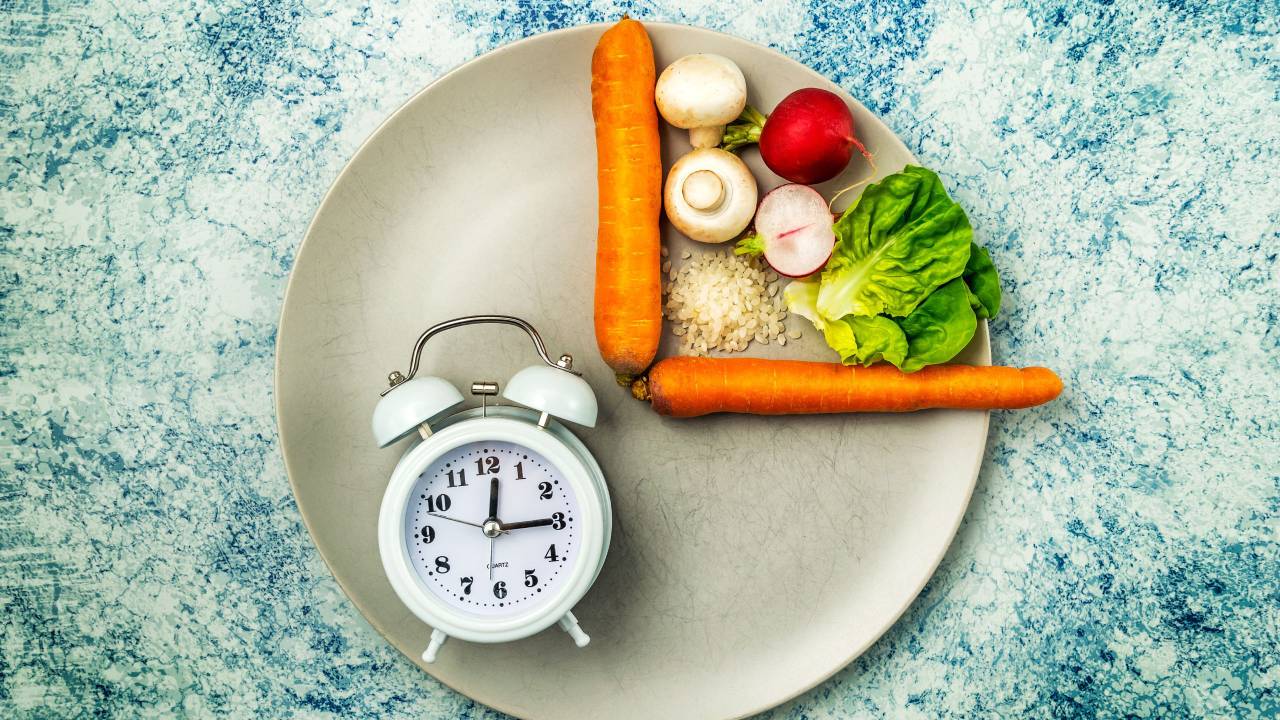
We spend an enormous amount of time discussing what we should eat, how much we should eat and which foods are best for our metabolism. But there's another question that is becoming increasingly interesting to nutrition researchers: does it matter when we eat?
It turns out that our bodies don't proc...
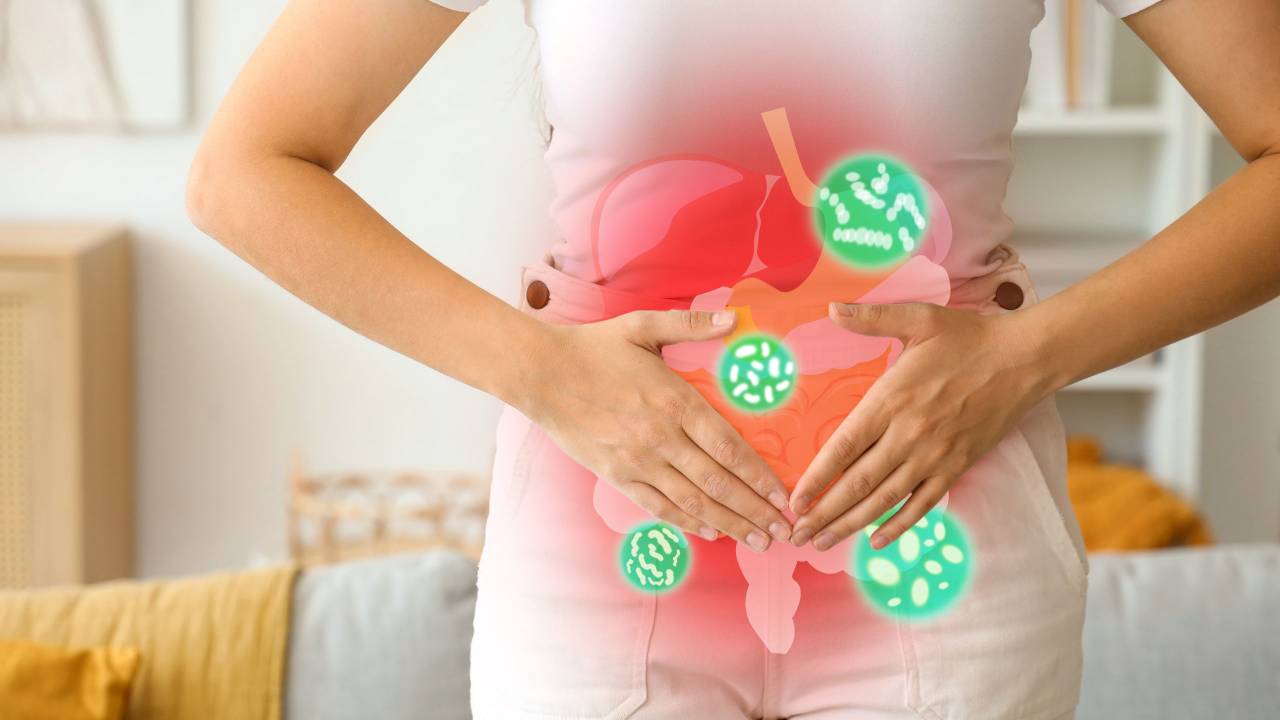
What if some of the chemistry controlling your cholesterol isn't produced by your own body, but by bacteria living in your gut?
It sounds extraordinary, but a new study published in Nature has uncovered a fascinating connection between intestinal bacteria, cholesterol metabolism and the development...
When we think about biological inheritance, we usually think about DNA. We inherit a particular sequence of genetic letters from our parents, containing variants that influence everything from eye colour to height, cholesterol metabolism and susceptibility to certain diseases. Apart from the occasio...
Anyone who has repeatedly lost weight and watched it gradually return will recognise the frustration. The first diet appears to work, normal life eventually resumes, some or all of the weight comes back and another attempt begins. After enough repetitions, it is understandable that people start wond...
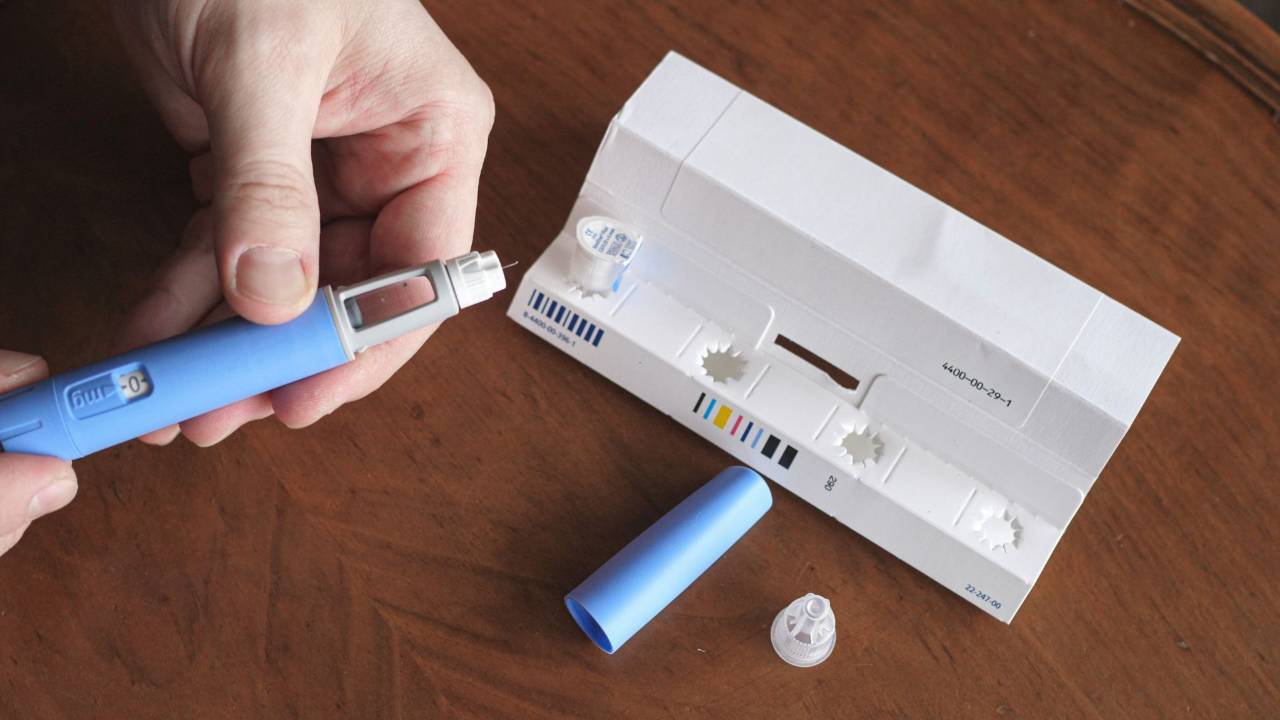
Pharmaceutical treatment of obesity has changed the landscape of healthcare drastically. Within a remarkably short period, drugs such as semaglutide have moved from specialist diabetes clinics into everyday conversation, while the extraordinary commercial and cultural success of these medicines has ...
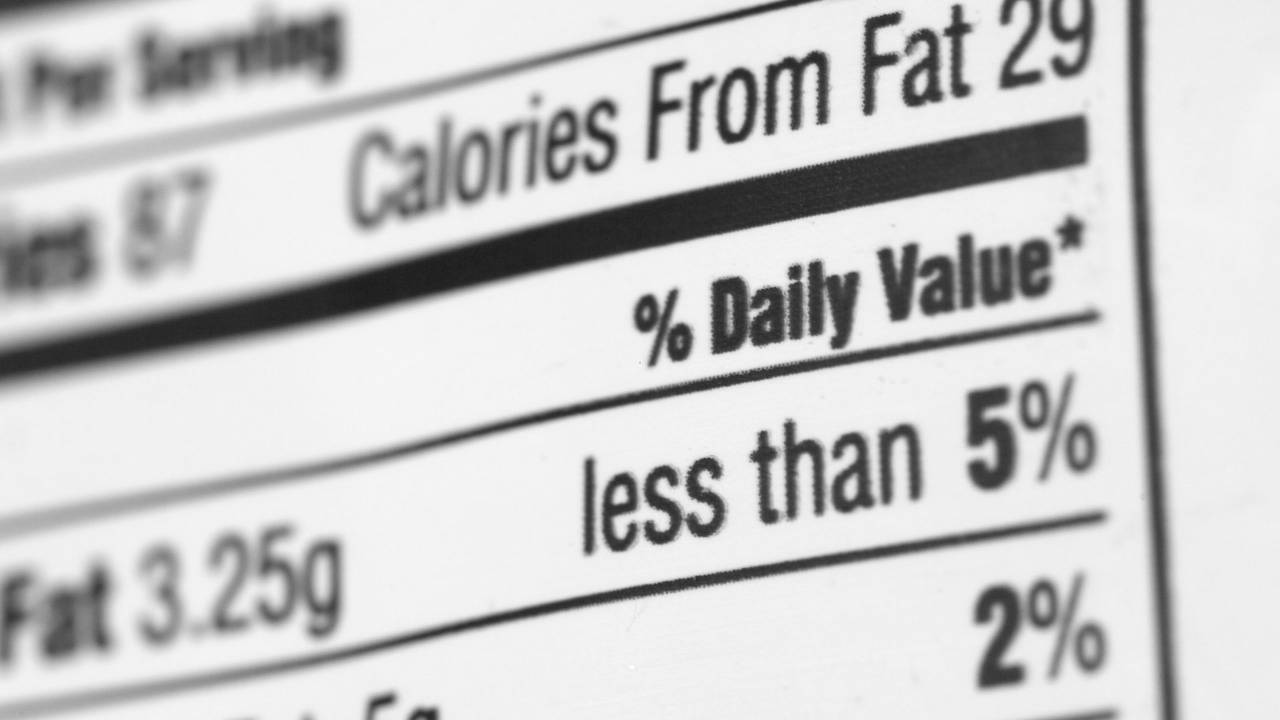
For decades, we have largely described food by breaking it down into its constituent parts. Calories, protein, carbohydrate, fat, fibre, vitamins and minerals are measured, printed neatly on the back of the packet and used to tell us something about the nutritional value of what we are about to eat....
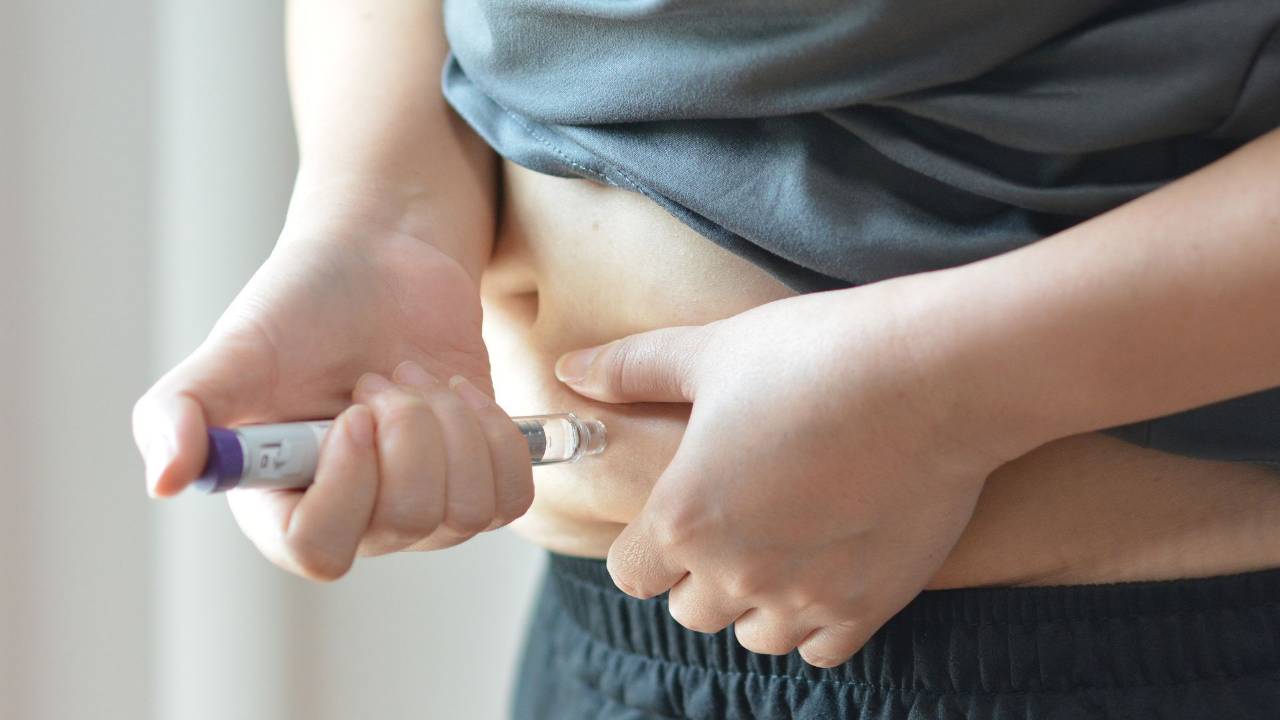
Drugs such as semaglutide and tirzepatide have transformed the treatment of obesity. By profoundly reducing appetite and food intake, they can produce levels of weight loss that were previously difficult to achieve without surgery. But eating substantially less creates a nutritional challenge that d...
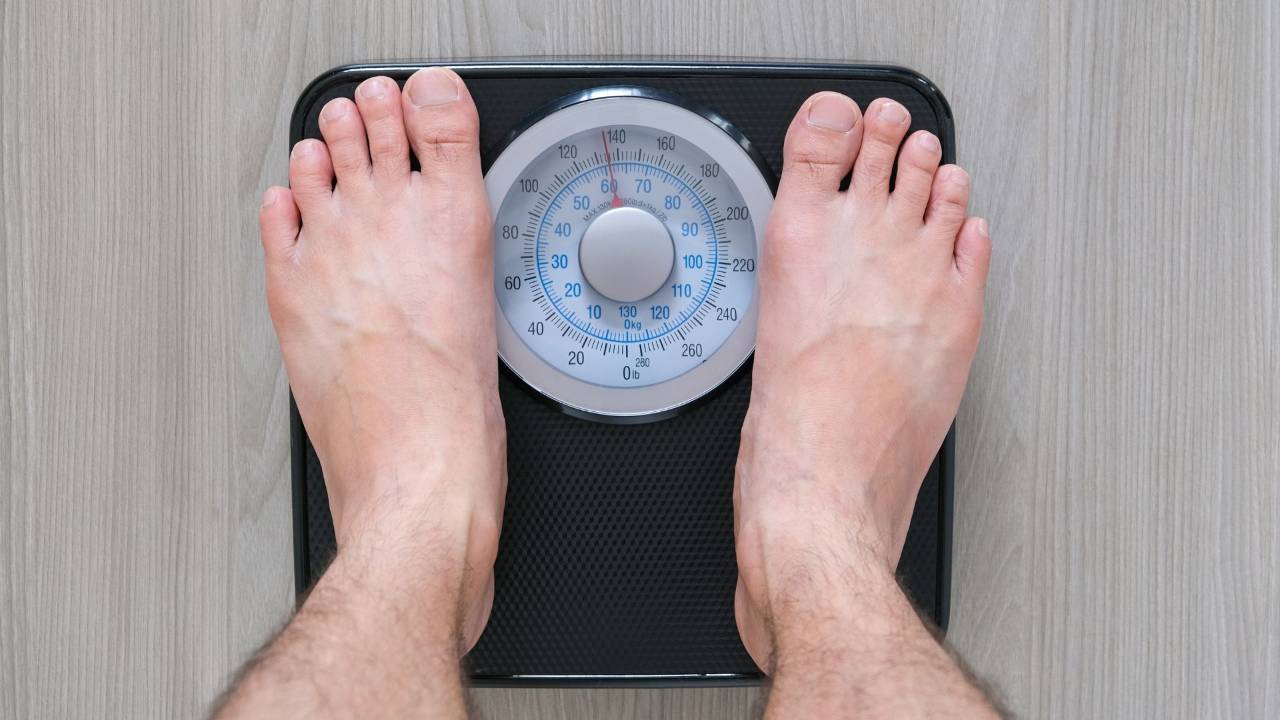
Losing weight is frequently presented as though it should be one of the simplest things in nutrition. Eat less, move more and maintain the resulting calorie deficit for long enough, and body weight should fall. At the level of basic physics, there is nothing particularly controversial about this. Re...
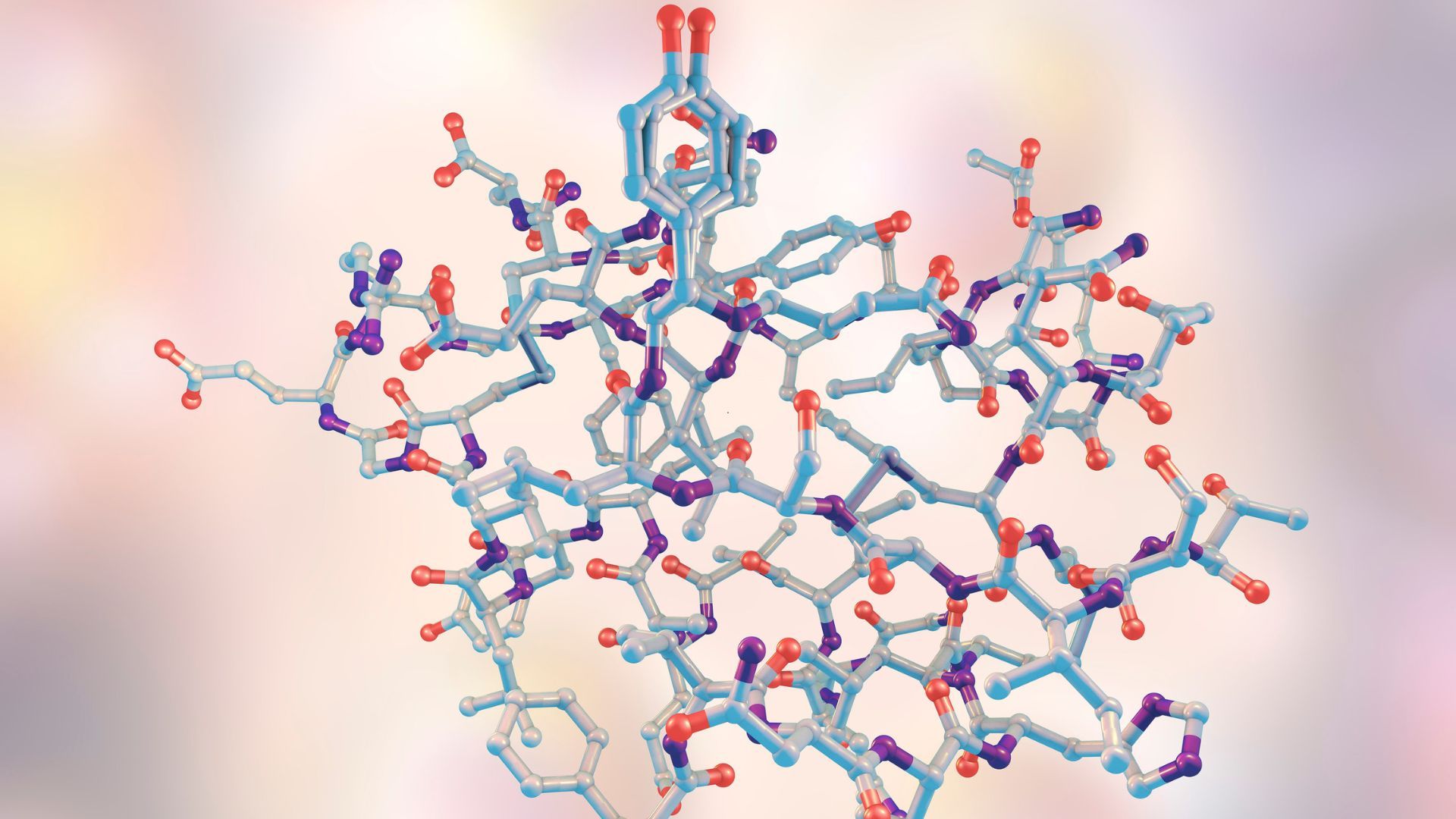
Weight loss is often portrayed as a simple equation of calories in versus calories out. However, for many individuals, particularly those with insulin resistance, this oversimplification fails to capture the complex hormonal and metabolic reality that governs fat storage and energy use. Insulin resi...

Maintaining a healthy weight can sometimes seem more challenging at different stages of life. Being well and truly in the middle age club now, I realise that there are things that I had to change and that I cannot get away with that I did even in my 30’s. At this stage of life many people start to f...