
The Scales Can Lie: Why Maintaining Your Weight as You Age Doesn't Mean You're Maintaining Your Muscle
Sep 29, 2026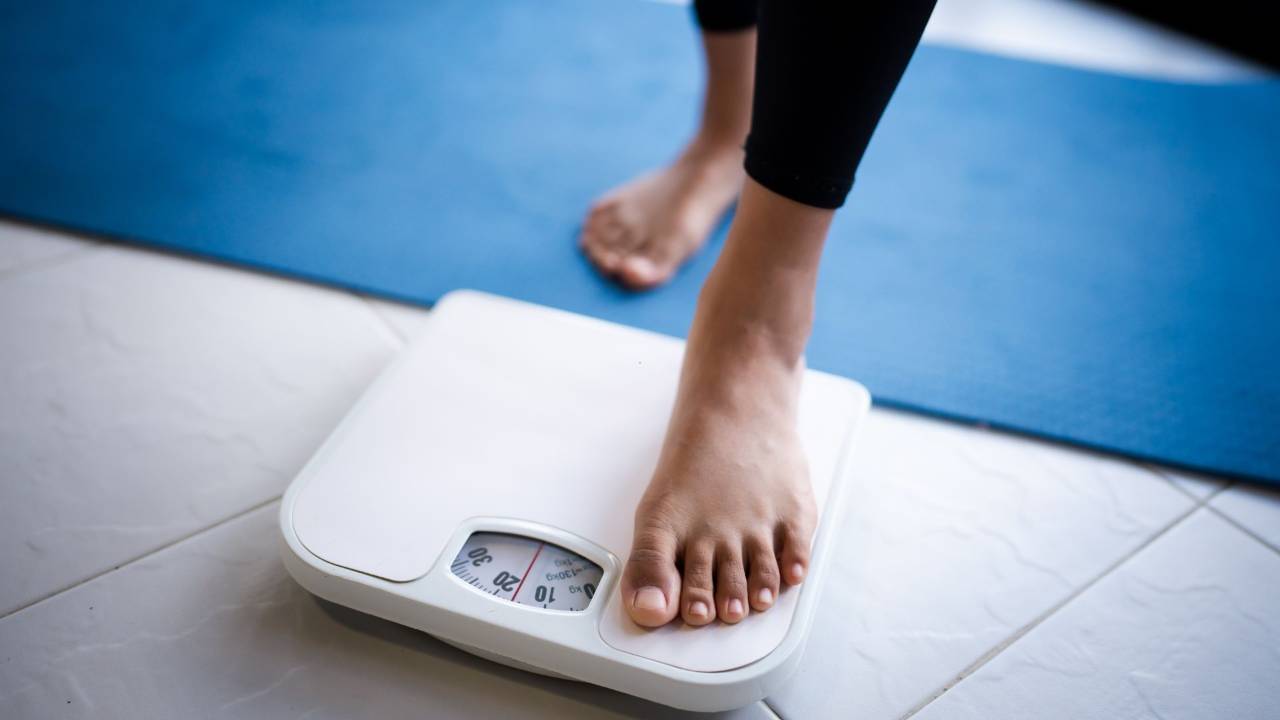
This is one that always gets my goat. Simple measurements like weight on the scale or even BMI (Banal, Meaningless, Irrelevant - that is my nickname for it) serve as little more than sticks to beat ourselves with.
For decades we have been conditioned to regard body weight as one of the great arbiters of health. Step onto the scales, inspect the number and decide whether things are moving in the right direction. If you weigh roughly the same at 70 as you did at 60, it is tempting to assume that you have navigated the decade rather successfully. Job done. Crack open the good biscuits.
Unfortunately, the human body has a rather annoying habit of being more complicated than that.
A fascinating new nine-year study of highly active older cyclists demonstrates exactly why body weight can become such a misleading measure as we age. These were not sedentary adults gradually abandoning physical activity. They were committed cyclists who had maintained unusually high levels of cardiorespiratory fitness into later life. Yet over nine years their average body weight remained essentially unchanged while lean tissue fell by 8.1%, fat mass increased by 20% and average body-fat percentage rose from 23.8% to 29.2%.
The scales barely moved, while underneath the surface there had been a substantial redistribution of what that weight was actually made from.
This matters because maintaining 75 kilograms of body weight is not necessarily an achievement if several kilograms of metabolically and functionally valuable lean tissue have gradually been replaced by fat. Muscle and adipose tissue perform profoundly different roles, particularly as we move through later life, and the distinction becomes increasingly important for metabolic health, physical capability, resilience and independence.
The study also carries another important message. Lifelong exercise is extraordinarily valuable, but endurance exercise alone does not appear to make us immune to every aspect of physiological ageing. These cyclists remained astonishingly fit compared with the general population, yet their bodies were still ageing. The objective therefore should not be to imagine that exercise can stop ageing, but to understand which forms of exercise and nutrition can preserve the physiological capacities that matter most.
What happened to the cyclists?
The study, published in GeroScience in September 2026, followed a group of older adults originally recruited in 2012 and 2013. The participants were men and women who regularly cycled and had been selected to represent highly active ageing rather than the more common combination of biological ageing and declining physical activity.
Of the original 125 cyclists, 82 returned approximately nine years later. At follow-up they were between 64 and 86 years old. Researchers repeated a broad collection of physiological measurements, with peak oxygen consumption, or VO₂peak, as the primary outcome.
As we would expect across almost a decade of ageing, aerobic capacity declined. Average VO₂peak fell by 19.7%, from 44.1 to 35.4 ml/kg/min. Yet those numbers need context because the participants remained exceptionally fit for their age. Of those completing the exercise test, 98.7% were at or above the 90th percentile for VO₂peak when compared with age-appropriate reference populations.
That is an important reminder of what lifelong exercise can accomplish. Ageing still occurred, but it occurred from an unusually high physiological starting point. Even after a substantial decline in aerobic capacity, these adults remained fitter than the overwhelming majority of their contemporaries.
The body-composition results tell a different story. Total body mass and BMI remained essentially unchanged across the nine years, which on a conventional health check could easily have been interpreted as reassuring. DXA scanning revealed what the bathroom scales could not. Lean tissue mass had fallen by 8.1%, while fat mass had increased by approximately 3.3 kilograms, representing a 20% increase. Body-fat percentage rose from 23.8% to 29.2%.
In other words, stable body weight concealed substantial physiological change.
Body weight tells us remarkably little about what we are made of
The problem with weighing ourselves is not that body weight is useless. Changes in body weight can provide valuable information, particularly when somebody is intentionally losing excess body fat or when unexplained weight loss raises concern about illness, malnutrition or frailty. The problem arises when we assume that stable weight means stable body composition.
Body weight is simply the combined mass of numerous tissues and compartments. Fat, skeletal muscle, bone, organs, water and other tissues all contribute to the number displayed on the scales. The device has absolutely no interest in which of these compartments changed. Lose three kilograms of muscle and gain three kilograms of fat and it will congratulate you on maintaining exactly the same weight.
BMI has the same fundamental limitation because it is calculated from body weight relative to height. It remains useful at population level and can provide clinically relevant information, but it cannot distinguish muscle from fat or tell us where adipose tissue is distributed. Two people with the same BMI can therefore have very different body compositions and potentially very different metabolic and functional profiles.
This becomes increasingly important with age because body composition can change even when body weight does not. Lean tissue tends to decline while fat mass can increase or redistribute, meaning an apparently stable weight can conceal a gradual deterioration in the proportion of the body represented by skeletal muscle.
The cyclist study illustrates this particularly well because the participants were so active. If this degree of change can occur in people who have spent years regularly cycling, assuming that stable weight means stable muscle in the general population becomes even more problematic.
Muscle is not merely there to make us look athletic
Skeletal muscle is often discussed primarily in terms of appearance, sport or strength, but physiologically it is one of the most important tissues we possess.
Muscle is a major site of glucose disposal and therefore plays an important role in metabolic regulation. It provides the force required for movement, supports joints, contributes to balance and allows us to perform the ordinary physical tasks that determine whether we remain independent. It also represents an important reservoir of amino acids that can become particularly relevant during illness, injury and periods of physiological stress.
As we grow older, the consequences of losing muscle therefore extend considerably beyond whether our arms and legs look smaller. Lower muscle mass and, perhaps even more importantly, declining muscle strength and quality can contribute to reduced mobility, greater risk of falls, impaired recovery from illness and eventual loss of independence.
This is why modern definitions of sarcopenia have evolved. Sarcopenia was historically conceptualised primarily as an age-related loss of muscle mass. Current thinking places considerably greater emphasis on muscle strength and physical performance because the quantity of muscle visible on a scan does not perfectly predict what that muscle can actually do.
Someone can have a reasonable amount of muscle while possessing poor strength and function, while another person may maintain surprisingly good function despite some loss of lean tissue. Muscle mass, muscle quality, strength and physical performance are related, but they are not interchangeable.
The goal of healthy ageing is therefore not simply to preserve the largest possible amount of muscle tissue. It is to preserve enough functional muscle and neuromuscular capacity to remain strong, mobile and physically capable.
Ageing creates a gradual challenge to muscle maintenance
Skeletal muscle is continuously remodelled. Muscle proteins are broken down and synthesised throughout life, with the balance between these processes determining whether muscle tissue is maintained, gained or lost over time.
Food, particularly dietary protein, stimulates muscle protein synthesis. Resistance exercise provides another powerful anabolic stimulus and sensitises muscle to amino acids. In younger adults these signals can produce a robust increase in muscle protein synthesis.
With advancing age, this response can become less efficient. Older muscle may require a stronger stimulus from dietary protein and exercise to generate a comparable anabolic response, a phenomenon commonly described as anabolic resistance.
The biology is more complicated than chronological ageing alone. Physical inactivity can worsen anabolic resistance, as can periods of bed rest, illness, inflammation, insulin resistance and inadequate energy or protein intake. This is particularly important because many of these factors become more common with age and can reinforce one another.
An older adult who becomes less active may lose some muscle, which reduces physical capacity and makes further activity more difficult. Illness or hospitalisation can accelerate the process, while reduced appetite may simultaneously decrease protein and energy intake. Over time, what began as a relatively modest decline can develop into clinically important weakness and frailty.
Regular exercise interrupts much of this cycle, which helps explain why lifelong athletes frequently retain impressive levels of function. However, the new cyclist data remind us that even very high levels of activity may not eliminate age-related changes in body composition completely.
Endurance fitness and muscle preservation are not the same adaptation
This is perhaps the most useful practical lesson from the cyclist study.
Cycling is an outstanding form of exercise. It challenges the cardiovascular system, increases energy expenditure, develops endurance and provides repeated muscular work. The participants in this study had clearly accumulated enormous benefits from doing it consistently because their aerobic fitness remained exceptional for their age.
However, endurance training and resistance training do not provide identical physiological stimuli.
Endurance exercise produces adaptations that improve the ability to generate energy aerobically and sustain work over prolonged periods. These include changes in mitochondrial density and function, capillarisation, cardiac performance and oxygen utilisation. Resistance exercise provides a much stronger mechanical stimulus for maintaining or increasing muscle strength and, under appropriate circumstances, muscle mass.
There is overlap between the two, but one cannot simply be assumed to substitute completely for the other.
This becomes particularly important in someone who has spent decades focusing predominantly on endurance exercise. Being capable of cycling 50 miles tells us a great deal about cardiovascular endurance, but considerably less about maximal strength, power or whether enough muscle is being retained across the whole body.
The researchers themselves acknowledge that their study cannot establish exactly why lean tissue declined. Training volume may have changed, and small dietary changes were also reported. Nevertheless, the fact that substantial changes occurred within a group of lifelong exercisers suggests that biological ageing itself probably contributed.
The practical conclusion is not that cycling, running or other endurance exercise has failed. Quite the opposite. These cyclists remained extraordinarily fit. The lesson is that a comprehensive strategy for healthy ageing probably needs to train more than one physiological system.
Strength deserves its own place in the longevity conversation
Cardiorespiratory fitness has rightly become a major focus within longevity medicine because higher fitness is strongly associated with better health outcomes. What sometimes receives less attention outside exercise science is the importance of maintaining strength.
Strength determines whether we can rise easily from a chair, climb stairs, carry shopping, lift luggage, recover balance when we stumble and perform countless other tasks that allow everyday life to remain effortless. The relevance of these abilities becomes increasingly obvious when they begin to disappear.
Power may be equally important. Muscle power describes the ability to produce force rapidly, and it can decline considerably with age. Catching yourself during a trip or standing quickly requires more than possessing muscle tissue; it requires the neuromuscular system to generate force at speed.
Resistance training directly addresses these capacities in a way that simply accumulating more low-intensity activity may not. Recent systematic reviews and meta-analyses of randomised trials in older adults with sarcopenia generally support resistance exercise for improving strength and physical function, with some analyses also finding modest improvements in lean mass and body composition.
This does not mean everybody needs to become a powerlifter at 70. Resistance can come from machines, free weights, resistance bands and body-weight exercises, and programmes can be adapted to physical ability and medical circumstances. What matters is that the muscles are regularly asked to produce meaningful force against resistance and that the stimulus progresses appropriately as the person adapts.
Walking is excellent. Cycling is excellent. Swimming is excellent. None should automatically be assumed to provide the same muscle-preserving stimulus as progressive resistance training.
Protein becomes increasingly relevant as we age
Exercise provides the stimulus for muscle adaptation, but the body still requires amino acids from dietary protein to synthesise muscle proteins.
This has led to considerable discussion about whether conventional protein recommendations are sufficient for older adults, particularly those who exercise regularly. Research into anabolic resistance suggests that older adults may benefit from ensuring that individual meals contain enough high-quality protein to generate a meaningful muscle protein synthetic response rather than consuming very little protein throughout the day and a large amount at one evening meal.
The precise protein requirement depends on numerous factors including age, body size, energy intake, training status, health and kidney function. This is not an area in which one number should be applied indiscriminately to everybody. Nevertheless, there is a strong physiological rationale for paying greater attention to protein intake in later life rather than allowing it to decline alongside appetite.
Research specifically examining master athletes remains surprisingly limited. A 2025 scoping review found considerable variation between studies, with average protein intakes ranging from approximately 1.0 to 1.9 grams per kilogram of body weight per day. The available evidence tended to suggest benefits from higher protein intakes for muscle mass and function, although the small and heterogeneous evidence base prevents us from defining one ideal intake for every older athlete.
A broader review of master athletes has argued that older lifelong exercisers may have protein needs approaching those of younger athletes rather than simply following recommendations developed for relatively sedentary older adults. However, this remains an evolving area of research, and claims that every older person requires very high protein intakes go beyond what the evidence can currently support.
The sensible principle is considerably simpler. Older adults who want to preserve muscle should avoid chronically inadequate protein intake, distribute meaningful protein-containing meals across the day and combine that nutrition with an appropriate resistance-training stimulus.
Protein without resistance training is only part of the solution
The popularity of protein supplements can sometimes create the impression that preserving muscle is predominantly a nutritional problem. It is not.
Providing additional protein can be useful when habitual intake is inadequate or when practical circumstances make sufficient dietary protein difficult to obtain. However, muscle tissue responds particularly powerfully when amino acid availability is combined with mechanical loading.
Evidence examining protein supplementation alongside resistance training in older adults with sarcopenia has produced mixed but generally encouraging results. Some meta-analyses have reported additional improvements in muscle mass and strength when protein supplementation accompanies resistance exercise, while others have found the extra effect to be small or inconsistent.
This variation is not particularly surprising. Someone already consuming adequate protein may gain relatively little from adding another shake, whereas someone with low habitual intake may benefit considerably more. Training quality, total energy intake, baseline nutritional status and the severity of sarcopenia also influence the response.
The bigger message is that muscle requires both raw material and a reason to keep itself. Protein provides amino acids, while resistance exercise tells the body that maintaining the machinery required to generate force remains useful. Focusing exclusively on either side of that equation misses part of the physiology.
Weight loss in later life needs more careful thought
The distinction between body weight and body composition becomes particularly important when older adults intentionally lose weight.
For somebody carrying excess body fat, particularly visceral fat associated with metabolic dysfunction, reducing weight can produce substantial health benefits. However, weight loss rarely consists entirely of adipose tissue. Some lean tissue is generally lost as well, particularly when energy restriction is aggressive and resistance exercise or adequate protein intake is absent.
A person can therefore achieve an impressive reduction on the scales while losing more muscle than is desirable. In a younger person with substantial muscle reserves this may be relatively easy to recover. In an older adult already experiencing age-related decline in muscle mass and strength, unnecessary loss of lean tissue deserves considerably more attention.
This does not mean older adults should avoid treating obesity. Excess adiposity remains an important risk factor for cardiometabolic disease and can itself impair physical function. The objective is to improve body composition rather than treating total body weight as the only outcome that matters.
Resistance training and adequate dietary protein become particularly important during intentional fat loss because they help provide the stimulus and substrate required to preserve lean tissue. The scales may consequently fall slightly more slowly than they would during aggressive dieting, but retaining more functional tissue while losing fat is usually a far more useful outcome than simply producing the fastest possible reduction in kilograms.
The same issue matters enormously with GLP-1 weight-loss drugs
The rapid adoption of GLP-1-based obesity medications has made the distinction between weight loss and body composition even more relevant.
These medicines can produce substantial reductions in body weight and have transformed the treatment of obesity. However, as with other forms of significant weight loss, the tissue being lost is not exclusively fat. Clinical trials have reported reductions in lean mass alongside reductions in adipose tissue, although interpreting lean-mass measurements requires care because lean mass is not synonymous with skeletal muscle and includes water and other non-fat tissues.
This does not mean that GLP-1 medicines inherently cause sarcopenia or that their considerable metabolic and cardiovascular benefits should be dismissed. It means that a person losing a large amount of weight should not assume that every kilogram disappearing from the scales represents unwanted fat.
The appropriate response is not panic about lean-mass percentages but greater attention to muscle-preserving behaviour. Adequate protein, progressive resistance exercise and monitoring of strength and physical function become especially sensible when weight loss is rapid or substantial.
Once again, the scales provide only part of the information.
The cyclist study also tells us something encouraging
It would be easy to interpret the nine-year findings negatively. Despite exercising throughout later life, the cyclists lost lean tissue, gained fat and experienced a decline in VO₂peak. Viewed without context, that might make exercise sound rather ineffective.
That would be completely the wrong interpretation.
Almost every participant capable of completing the exercise test remained at or above the 90th percentile for aerobic fitness relative to reference populations of the same age. Resting blood pressure and metabolic indices remained within normal ranges at group level, and even participants who had developed health problems retained remarkably good physiological function.
The researchers deliberately studied highly active older adults because this allows some separation of biological ageing from the effects of physical inactivity. In the general population these processes usually occur together. People age while simultaneously becoming less active, making it difficult to determine which physiological changes are unavoidable and which are amplified by disuse.
The cyclists show us that exercise does not freeze the body at 55, but it can preserve an extraordinary amount of physiological capacity as ageing continues. Reviews of master athletes have reached similar conclusions: lifelong training does not halt age-related decline, but it substantially modifies the trajectory and allows older athletes to retain levels of fitness and function far above those seen in less active contemporaries.
That is a far more realistic and useful model of healthy ageing than the fantasy of somehow stopping ageing altogether.
We need to stop using body weight as a complete health report
For somebody trying to understand how successfully they are ageing, body weight can remain useful, but it should be interpreted within a much wider picture.
Waist circumference can provide information about central adiposity that total weight cannot. Body-composition measurements can sometimes help identify changes in fat and lean tissue, although every method has limitations and consumer devices should not be mistaken for laboratory instruments. More importantly, simple measures of physical capability can tell us something that neither BMI nor body-fat percentage can capture.
Can you get out of a chair easily without using your arms? Can you carry heavy shopping? Has the weight you can lift declined substantially over the last few years? Can you climb stairs comfortably? Are you still able to walk quickly when necessary? Are balance and mobility being maintained?
These questions may sound almost embarrassingly unsophisticated compared with biological-age clocks and molecular longevity testing, but they relate directly to what healthy ageing is supposed to achieve.
A body that remains capable is considerably more useful than a favourable number on a bathroom scale.
Muscle should be treated as part of our retirement planning
We tend to think about preparing financially for later life decades before retirement arrives. It makes considerably less sense to wait until our seventies before becoming interested in the physical assets we will need at the same age.
Muscle, strength and cardiorespiratory fitness are forms of physiological reserve. Building and maintaining them earlier gives us more capacity from which age-related decline can occur. Someone entering later life with excellent strength and fitness can experience a degree of physiological deterioration while remaining highly functional, just as the cyclists in this study remained exceptionally fit despite a measurable decline in VO₂peak.
This changes the emphasis of exercise across adulthood. Training is not merely something we do to burn calories or modify our appearance. Resistance training builds and preserves tissue that we will depend upon decades later, while aerobic exercise develops cardiovascular and respiratory capacity that determines how comfortably we can perform sustained physical work.
Nutrition supports this process by providing sufficient energy, protein and micronutrients to maintain and remodel those tissues. Sleep, recovery and the management of cardiometabolic risk add further layers. Healthy ageing therefore becomes less about discovering one anti-ageing intervention and more about maintaining multiple physiological systems before their decline becomes clinically significant.
There is nothing particularly glamorous about this approach, which may explain why it receives less attention than supplements promising to manipulate a newly discovered longevity pathway. Unfortunately for the marketing department, human physiology remains stubbornly unimpressed by glamour.
The goal is not simply to weigh less, but to remain capable
The nine-year cyclist study provides an unusually clear illustration of why our understanding of healthy body weight needs to mature as we age. These adults remained remarkably active and maintained essentially the same overall body mass, yet beneath that stable number lean tissue declined substantially while fat mass increased. At the same time, their lifelong commitment to exercise allowed them to retain levels of cardiorespiratory fitness that remained exceptional for their age.
Both observations matter. Age-related physiological decline is real even among highly active people, but the rate and functional consequences of that decline are profoundly modifiable. Endurance exercise can preserve extraordinary cardiovascular capacity, while resistance training provides a complementary stimulus for muscle and strength. Adequate protein and overall nutritional quality provide the resources required to support those adaptations.
This is why the scales should never be allowed to become the sole judge of progress in later life. A stable body weight can conceal deteriorating body composition, while a modest increase in weight can sometimes accompany valuable gains in muscle. During intentional weight loss, the quality of the tissue being preserved can matter almost as much as the quantity of weight being lost.
Healthy ageing is ultimately not a competition to produce the lowest possible number on the scales. The more meaningful objective is to preserve enough muscle, strength, fitness and metabolic health that the body continues to do what we ask of it.
If we can still climb the stairs, carry the shopping, lift something heavy, walk at pace, recover from illness and remain physically independent well into later life, those achievements tell us considerably more about successful ageing than whether the bathroom scales have moved by two kilograms.
References
Fathi, A.S., Francis, T., Milbourn, E., Newton, E., Siegel, L., Taylor, S., Duggal, N.A., Lord, J.M., Lazarus, N.R., Pollock, R.D. et al. (2026) ‘A 9-year longitudinal investigation into physiological aging in highly active older adults’, GeroScience. doi: 10.1007/s11357-026-02483-6.
Hassani, M., Renzini, A., Nguyen, L. and Coletti, D. (2026) ‘Changes in physical performance with aging in master athletes and in the general population: an update’, European Journal of Translational Myology, 36(2), 14884. doi: 10.4081/ejtm.2026.14884.
McKendry, J., Breen, L., Shad, B.J. and Greig, C.A. (2018) ‘Muscle morphology and performance in master athletes: a systematic review and meta-analyses’, Ageing Research Reviews, 45, pp. 62–82.
Hawkins, S.A., Wiswell, R.A. and Marcell, T.J. (2003) ‘Exercise and the master athlete: a model of successful aging?’, The Journals of Gerontology Series A: Biological Sciences and Medical Sciences, 58(11), pp. 1009–1011. doi: 10.1093/gerona/58.11.M1009.
Dalle, S. and Koppo, K. (2021) ‘Protein requirements for master athletes: just older versions of their younger selves’, Sports Medicine, 51.
Kysel, P. et al. (2025) ‘Protein intake, physical performance and body composition in master athletes: a short scoping review’, Nutrients, 17(3), 498. doi: 10.3390/nu17030498.
Yan, R., Chen, Y., Zhang, R., He, J., Lin, W., Sun, J. and Li, D. (2025) ‘Optimal resistance training prescriptions to improve muscle strength, physical function, and muscle mass in older adults diagnosed with sarcopenia: a systematic review and meta-analysis’, Aging Clinical and Experimental Research, 37, 320. doi: 10.1007/s40520-025-03235-w.
Tan, Z. et al. (2026) ‘Optimizing prescription of resistance training for body composition, muscle strength, and physical performance in older adults with sarcopenia: a systematic review and meta-analysis’, European Review of Aging and Physical Activity, 23, 8. doi: 10.1186/s11556-025-00399-2.