
Is Our Obsession With Protein Changing Our Gut Bacteria?
Oct 21, 2026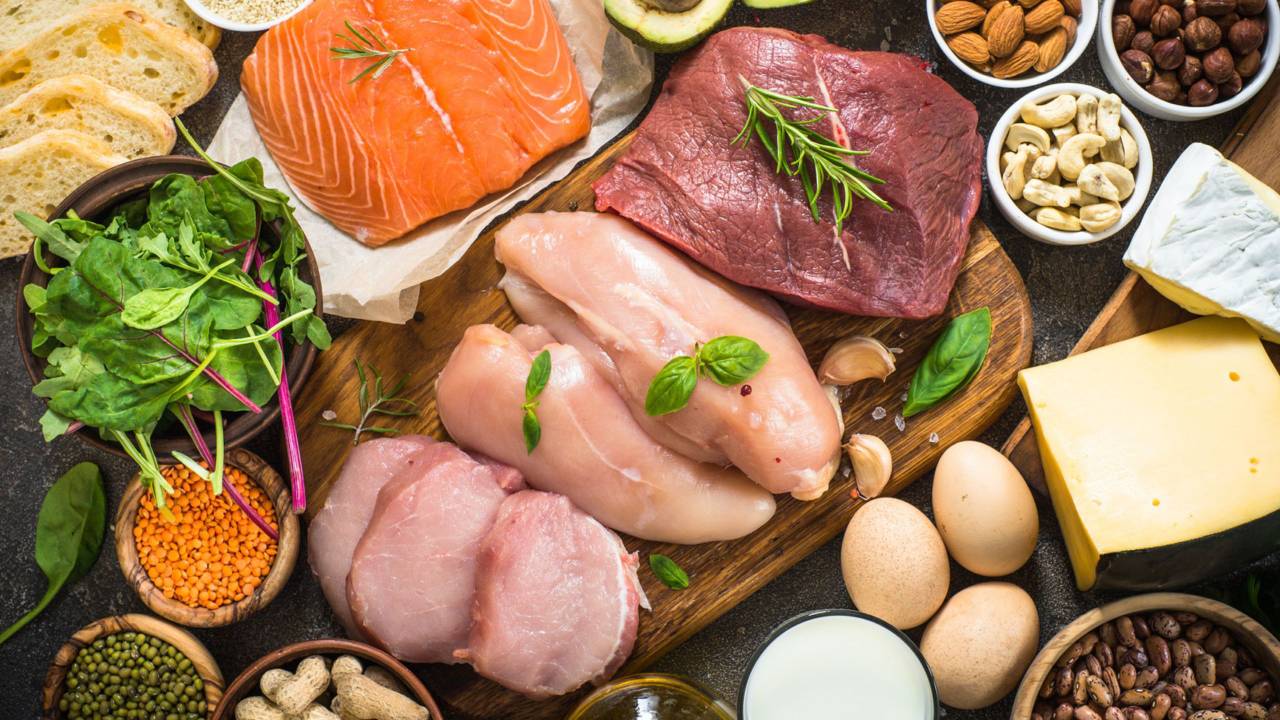
Protein has become one of the biggest selling points in modern nutrition. Supermarket shelves are packed with high-protein yoghurts, cereals, snack bars and even chocolate bars. Social media is full of advice about hitting daily protein targets, while everything from weight loss to healthy ageing seems to come with a recommendation to eat more of it.
I for one as you know have always been very much an advocate for high protein AND high plant diets, especially for older adults. But has the over obsession with it caused a new set of issues?
Of course, protein is essential. We need it to maintain muscle, repair tissues, produce enzymes and support countless physiological processes. But as our enthusiasm for protein continues to grow, an interesting question is emerging: what happens to our gut bacteria when we start prioritising protein above everything else?
A new systematic review and meta-analysis published in Nutrition Reviews offers some intriguing clues.
What Did the Researchers Find?
Researchers examined 18 studies involving 819 physically active participants, investigating how protein intake influenced the composition and diversity of the gut microbiome.
Interestingly, the findings were mixed.
Higher protein intake was associated with improvements in two measures of microbial diversity, known as the Shannon and Chao1 indices. These provide information about the variety and distribution of microorganisms living within the gut.
However, the researchers also identified reductions in several bacterial groups, including Bifidobacterium, a genus frequently associated with beneficial functions in the intestinal environment.
There were also changes in the relative abundance of broader bacterial groups, including Actinobacteria, Firmicutes and Bacteroidetes.
In other words, protein intake appeared to influence the microbial ecosystem in several different ways, some potentially favourable and others raising questions that deserve further investigation.
Crucially, an increase in microbial diversity does not automatically mean an improvement in gut health. Diversity is one useful measurement, but the functions performed by different microorganisms, and the substances they produce, are equally important.
Why Might Protein Change Our Gut Bacteria?
To understand these findings, we need to consider what happens to protein as it travels through the digestive system.
Most dietary protein is broken down into amino acids and small peptides, which are absorbed in the small intestine. However, some protein and amino acids can reach the large intestine, where they become available to our resident gut bacteria.
Certain microorganisms can ferment these compounds, producing a range of metabolites. Some may have useful physiological roles, while others, including ammonia, phenols and certain sulphur-containing compounds, may be less desirable when produced in excessive amounts.
The balance depends on several factors, including the quantity and source of protein consumed, the composition of the existing microbiome and, importantly, what else we're eating.
This is where dietary fibre becomes particularly interesting.
Are We Forgetting About Fibre?
One of the potential problems with our current obsession with protein isn't necessarily the protein itself. It's what might be getting pushed off the plate to make room for it.
Many beneficial gut bacteria thrive on fermentable carbohydrates found in foods such as vegetables, fruit, beans, lentils, oats and wholegrains.
When bacteria ferment these fibres, they produce short-chain fatty acids, including butyrate, which helps fuel cells lining the colon and supports the intestinal environment.
If somebody increases their protein intake while simultaneously reducing fibre-rich plant foods, they're changing two important influences on their gut microbiome at once.
And that distinction matters.
A high-protein diet built around fish, pulses, wholegrains, vegetables and a wide variety of plant foods may have very different effects from one dominated by protein shakes, bars and animal products with relatively little fibre.
The new review doesn't establish that replacing fibre with protein caused the microbial changes observed. But it does highlight why looking at protein intake in isolation may tell us only part of the story.
Does This Mean We Should Eat Less Protein?
Not necessarily.
Adequate protein intake is particularly important for physically active people, older adults and anyone trying to maintain muscle during weight loss. There is substantial evidence supporting its role in muscle maintenance and adaptation to resistance exercise.
And the new findings shouldn't be interpreted as proof that higher protein intake damages the gut microbiome.
The review involved physically active participants, and the studies varied in their designs, protein doses, exercise conditions and intervention durations. The researchers also identified differences according to factors such as age, body mass index and exercise intensity.
Most importantly, changes in bacterial abundance are not the same as demonstrating improvements or deterioration in long-term health.
We still need better research examining different protein sources, longer-term dietary patterns and the functional consequences of these microbial changes.
The Bigger Picture: Dietary Quality Still Matters
What I find particularly interesting about this research is how it challenges our tendency to reduce nutrition to individual numbers.
We've become very good at counting grams of protein. But how often are we giving the same attention to fibre intake, plant diversity or the overall quality of our diets?
Protein is important, but it doesn't operate in isolation. The digestive system is an extraordinarily complex environment, and the gut microbiome responds to the broader combination of nutrients and compounds we consume.
Rather than obsessing over maximising protein at every opportunity, a more sensible approach may be to ensure we're getting enough to meet our needs while continuing to prioritise fibre-rich, minimally processed foods and plenty of plant variety.
Because ultimately, good nutrition isn't about winning a competition to eat the most protein.
It's about creating a dietary pattern that supports the whole body, including the trillions of microorganisms living inside us.
References
Bao, Z., Jiao, M., Zhao, M., Huang, F.-Y., Liu, Y. and Wang, S. (2026) ‘Effects of protein intake on gut microbiota in physically active individuals: A systematic review and meta-analysis’, Nutrition Reviews. https://doi.org/10.1093/nutrit/nuag156
Wang, S. et al. (2022) ‘Effect of dietary protein and processing on gut microbiota—A systematic review’, Nutrients, 14(3), 453. https://doi.org/10.3390/nu14030453
Interested in nutrition? You'll love this.
New research. Emerging ideas. Fascinating physiology. And a proper look at what the science actually means — without the hype.
Join my newsletter for weekly nutrition research, recipes, articles and insights worth knowing about.