
Could Ultra-Processed Foods Be Affecting Your Brain Before You Notice?
Oct 21, 2026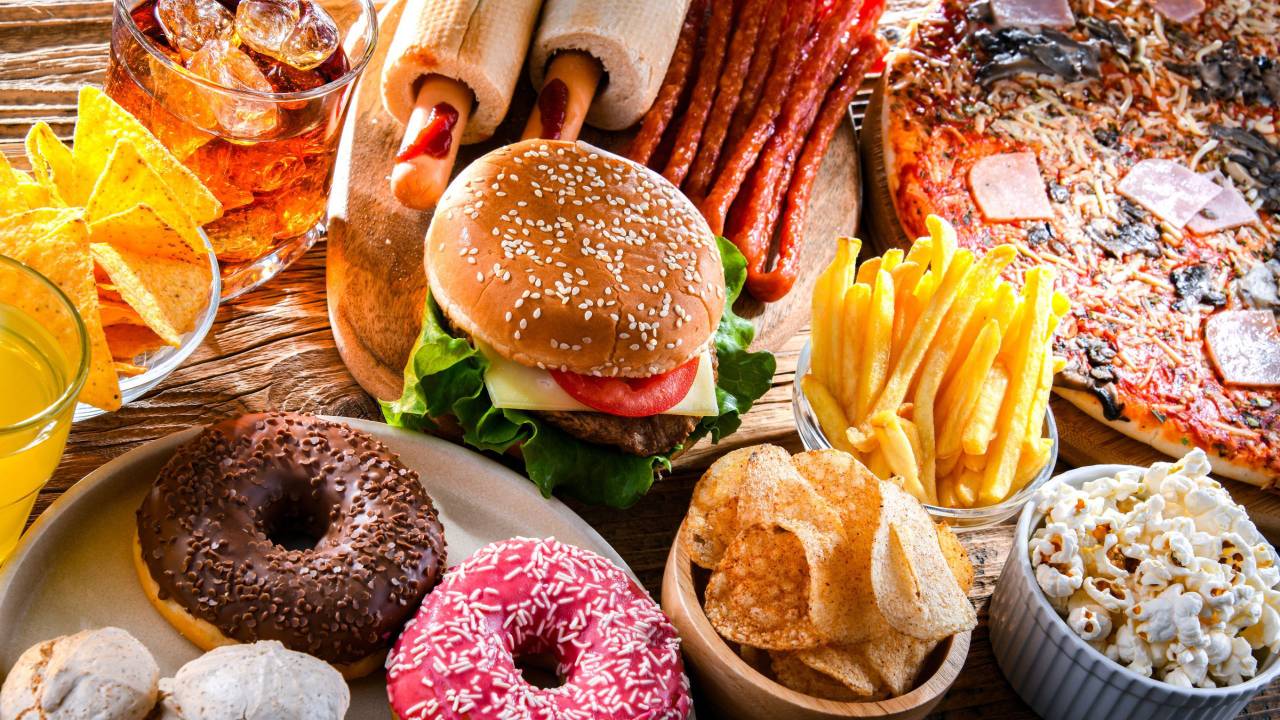
We tend to think about brain health in terms of things we can actually notice. Forgetfulness, difficulty concentrating, problems finding the right words or feeling that our thinking isn't quite as sharp as it used to be.
But what if some of the changes associated with poorer brain health begin long before we experience any obvious symptoms?
A fascinating new study published in JAMA Network Open has raised exactly this question, identifying a relationship between ultra-processed food consumption and subtle changes in the blood vessels of the brain.
And perhaps the most interesting finding was that these changes weren't accompanied by measurable differences in cognitive performance.
What Did the Researchers Discover?
Researchers examined data from 8,783 Canadian adults, with an average age of approximately 58, looking at their consumption of ultra-processed foods alongside measures of body composition, brain imaging and cognitive function.
Ultra-processed foods are generally defined using the NOVA classification system. They include many industrially formulated products, such as packaged snacks, confectionery, sugary drinks and certain ready meals, although the category is broad and not every product has the same nutritional characteristics.
The researchers used MRI scans to investigate evidence of vascular brain injury. These are changes associated with the brain's blood supply, including small areas of tissue damage and abnormalities in the brain's white matter.
The results were intriguing.
Participants consuming the highest amounts of ultra-processed foods had 40% higher odds of MRI-defined vascular brain injury compared with those consuming the lowest amounts, after adjustment for several potentially influential factors.
It's important to understand that this was a difference in odds, not a 40% increase in absolute risk.
Higher ultra-processed food consumption was also associated with greater overall body fat and higher levels of visceral fat, the fat that accumulates around our internal organs.
However, when the researchers examined cognitive performance using established assessment tools, they found no statistically significant association with ultra-processed food intake.
This distinction is particularly interesting because it suggests that the relationship between diet and brain health may be more complicated than simply asking whether somebody is experiencing memory problems.
What Is Vascular Brain Injury?
Our brains are extraordinarily demanding organs. Despite accounting for only a small proportion of body weight, they require a continuous supply of oxygen and nutrients delivered through an intricate network of blood vessels.
The health of those blood vessels is therefore fundamental to the health of the brain itself.
Vascular brain injury is a broad term describing damage associated with the brain's circulation. In this study, researchers looked for two particular findings.
The first was covert brain infarction. These are small areas of brain tissue damage caused by interrupted blood supply, which may occur without the obvious symptoms normally associated with a stroke.
The second was a high burden of white matter hyperintensities. These appear as brighter areas on certain MRI scans and can be associated with changes in the brain's small blood vessels.
Neither finding automatically means somebody has dementia or will go on to develop it. However, vascular abnormalities of this kind can be associated with a greater risk of future neurological problems.
This is why researchers are increasingly interested in identifying factors associated with vascular brain health during middle age, rather than waiting until cognitive symptoms become apparent.
How Might Diet Influence the Brain's Blood Vessels?
There are several plausible biological pathways linking dietary patterns with vascular brain health, although this particular study cannot establish which, if any, explain its findings.
One involves metabolic health.
Higher levels of visceral fat are associated with insulin resistance, chronic low-grade inflammation and changes in cardiovascular function. Over time, these processes may contribute to damage within blood vessels, including the small vessels supplying the brain.
Blood pressure is another important consideration. Persistently elevated blood pressure places considerable strain on the delicate vascular network within the brain and is an established risk factor for cerebral small vessel disease.
Dietary quality may also influence endothelial function. The endothelium is the thin layer of cells lining our blood vessels, helping regulate vascular tone, blood flow and inflammatory responses.
Diets rich in vegetables, fruit, wholegrains, legumes and other minimally processed plant foods provide fibre, micronutrients and a wide variety of bioactive compounds that can support cardiovascular and metabolic health.
By contrast, some dietary patterns containing substantial quantities of ultra-processed foods may be higher in sodium, added sugars and energy while providing less of these protective dietary components.
But there's an important distinction here. We cannot assume that industrial processing itself caused the associations observed. The nutritional composition of foods, overall dietary patterns and other lifestyle factors may all contribute.
Does This Mean Ultra-Processed Foods Are Damaging Our Brains?
Not on the basis of this study alone.
This was a cross-sectional investigation, meaning dietary intake and health measurements were assessed within the same broad period. It cannot tell us whether higher ultra-processed food consumption preceded the brain changes, whether other factors contributed to both, or whether reducing these foods would prevent vascular injury.
The findings also depended to some extent on how ultra-processed food consumption was measured, which adds another reason for caution.
And while the absence of a significant association with cognitive performance is interesting, it doesn't prove that the MRI abnormalities developed before cognitive changes. Establishing that sequence would require following participants over time.
What the study does provide is another reason to investigate the relationship between dietary quality, metabolic health and the brain's vascular system.
Looking After Your Brain Starts Long Before Old Age
What I find particularly compelling about this research is the reminder that brain health isn't simply about memory, concentration or the eventual development of dementia.
It's also about maintaining the health of the cardiovascular and metabolic systems that support the brain throughout our lives.
The same dietary habits that help us manage blood pressure, maintain healthy blood glucose regulation and support cardiovascular health may also be relevant to the long-term health of the brain's circulation.
That doesn't mean we need to become fearful of every packaged food or eliminate anything classified as ultra-processed.
A much more useful approach is to look at the overall dietary pattern. Are we regularly eating vegetables, fruit, wholegrains, beans, lentils, nuts and other nutrient-rich foods? Are we getting enough fibre? And are heavily processed convenience foods gradually displacing these foods from our everyday diets?
We still need longer-term studies to understand whether ultra-processed food consumption directly contributes to vascular brain injury.
But this research raises an important possibility worth investigating: the relationship between what we eat and how our brains age may involve changes that aren't immediately apparent in the way we think or feel.
And that's another good reason to take dietary quality seriously throughout adulthood, not just when we start getting older.
References
de Souza, R.J. et al. (2026) ‘Ultraprocessed food intake and adiposity, vascular brain injury, and cognition in middle-aged adults’, JAMA Network Open, 9(10), e2639118. https://doi.org/10.1001/jamanetworkopen.2026.39118
Interested in nutrition? You'll love this.
New research. Emerging ideas. Fascinating physiology. And a proper look at what the science actually means — without the hype.
Join my newsletter for weekly nutrition research, recipes, articles and insights worth knowing about.