
Can a Plant-Based Diet Help You Age Better? It's Not Quite That Simple
Oct 27, 2026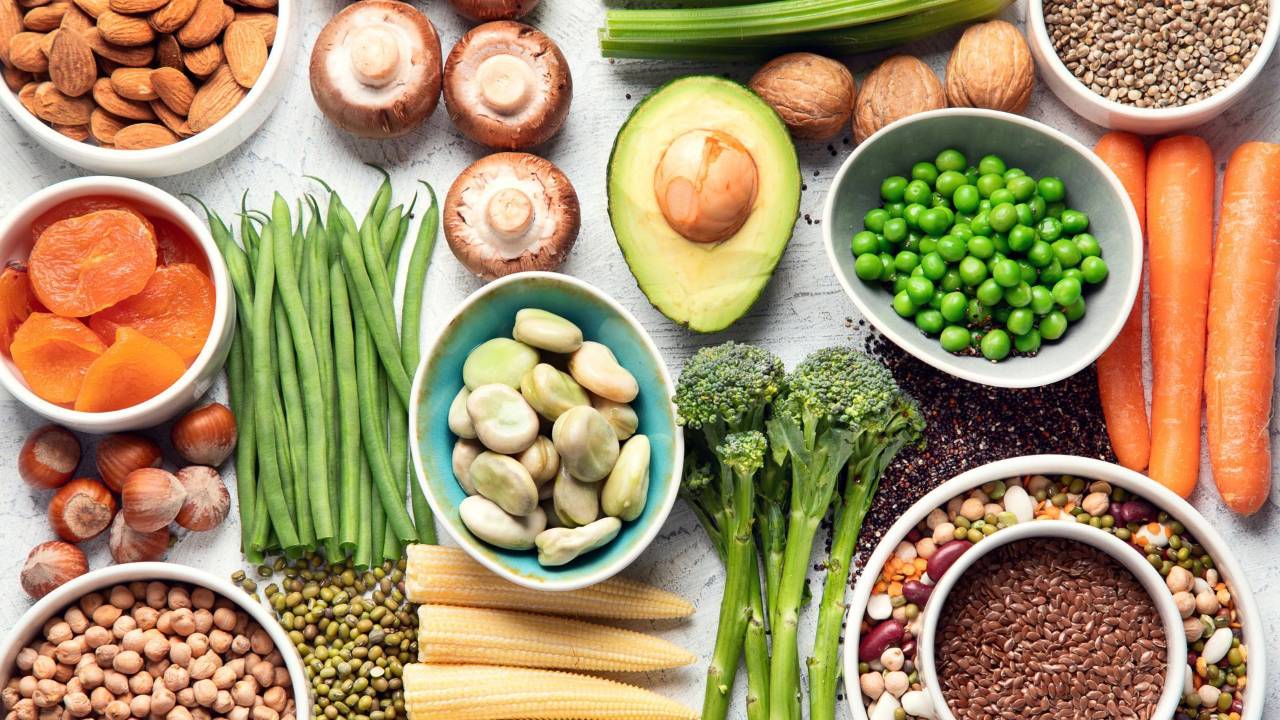
We're constantly being encouraged to eat more plants, and with good reason. Diets rich in vegetables, fruit, wholegrains, nuts and legumes have been associated with a wide range of health benefits, from improved cardiovascular health to a lower risk of certain chronic diseases. But when it comes to ageing well, is simply eating more plant-based food enough?
A fascinating new study published in Age and Ageing suggests that the answer may be a little more complicated.
Researchers examined the relationship between plant-based dietary patterns and frailty in older adults, looking not simply at how long people lived, but at something arguably just as important: how well they maintained their health and independence as they aged.
And the findings raise some interesting questions about what we actually mean when we describe a diet as plant-based.
What Does Frailty Actually Mean?
When we talk about healthy ageing, much of the conversation focuses on preventing conditions such as cardiovascular disease, diabetes and dementia. But there's another important aspect of ageing that receives considerably less attention: frailty.
Frailty describes a state of increased vulnerability in which the body becomes less resilient to physical and physiological challenges. Someone experiencing frailty may have greater difficulty recovering from illness, maintaining mobility or coping with everyday activities.
It isn't simply another word for getting older. Two people of exactly the same age can have very different levels of physical function and resilience.
Frailty is influenced by numerous factors, including muscle health, chronic disease, physical activity and nutritional status. And because nutrition contributes to so many of these processes, researchers are increasingly interested in whether dietary patterns might influence how frailty develops.
What Did the Researchers Discover?
The researchers analysed data from 8,628 older adults across three major ageing studies in China, the United States and England. They also conducted a supplementary analysis involving more than 10,000 participants from a European ageing study.
Rather than treating every plant-based diet as identical, they examined different dietary patterns, including overall plant-based eating and patterns that placed greater emphasis on less healthy plant foods.
Across the three main cohorts, higher overall plant-based diet scores were associated with lower odds of frailty. The reported odds ratios ranged from 0.71 to 0.80, suggesting a potentially meaningful relationship between dietary patterns and physical resilience in later life.
However, when researchers examined diets characterised by greater consumption of less healthy plant foods, the relationship went in the opposite direction. Higher scores for these dietary patterns were associated with increased odds of frailty.
Interestingly, the results for specifically healthful plant-based dietary patterns weren't entirely consistent. A significant inverse association was observed in the English cohort, but not in the Chinese or American cohorts.
So while the findings generally favoured greater consumption of plant foods, they didn't support the idea that every plant-based dietary pattern produces the same outcomes.
Plant-Based Doesn't Automatically Mean Healthy
This is perhaps the most important takeaway from the research.
The term plant-based tells us something about where our food comes from, but surprisingly little about its nutritional quality.
A diet built around vegetables, beans, lentils, wholegrains, nuts and seeds is very different from one dominated by refined carbohydrates, sugary drinks and highly processed plant-based products.
Both might contain relatively few animal foods, but their nutritional characteristics can be dramatically different.
Whole and minimally processed plant foods provide fibre, vitamins, minerals and a remarkable variety of phytochemicals. Many also contribute unsaturated fats and plant protein, all of which can support different aspects of metabolic and cardiovascular health.
By contrast, a predominantly plant-based diet can still be high in added sugars, low in fibre and lacking in important nutrients if food choices are poorly balanced.
In this study, nuts, vegetables and plant oils showed predominantly favourable associations with several aspects of frailty. Although these findings cannot establish cause and effect, they reinforce the importance of looking at individual foods and overall dietary quality rather than relying on a broad dietary label.
What About Protein and Maintaining Muscle?
There's another important consideration when we talk about nutrition and ageing: preserving muscle mass and function.
As we get older, maintaining skeletal muscle becomes increasingly important for mobility, balance, metabolic health and independence. Age-related changes in muscle protein synthesis, combined with reduced physical activity and other factors, can make this more challenging.
Protein provides the amino acids needed for muscle maintenance and repair. And while it's perfectly possible to obtain sufficient protein from a well-planned plant-based diet, it does require some attention to food choices, particularly in older adults with smaller appetites or higher nutritional requirements.
Foods such as beans, lentils, tofu, tempeh and soya products can make valuable contributions. Combining a variety of protein-rich foods throughout the day can also help support overall protein adequacy.
Other nutrients deserve consideration too. Vitamin B12, calcium, vitamin D, iron and zinc all have important physiological roles, and some may require particular attention when animal foods are substantially reduced or excluded.
It's important to emphasise that the new study didn't demonstrate that protein inadequacy or micronutrient deficiencies explained the differences in frailty. These are broader nutritional considerations that become especially relevant when planning diets for healthy ageing.
And of course, nutrition is only part of the picture. Resistance exercise remains one of the most important strategies for preserving muscle strength and physical function as we get older.
Does This Mean Plant-Based Diets Prevent Frailty?
Not necessarily.
Although the researchers used longitudinal data, the study was observational. That means it can identify relationships between dietary patterns and frailty, but it cannot establish that changing someone's diet will directly prevent frailty.
The researchers also found that differences in dietary habits between individuals were generally more strongly associated with frailty than changes within the same individuals over time, where those comparisons were possible.
That's an important distinction. People who consistently eat differently may also differ in physical activity, income, existing health conditions and other characteristics that influence ageing.
It also means we should be cautious about assuming that simply increasing someone's plant-based diet score will reproduce the associations observed in the research.
Nevertheless, the study contributes to an increasingly important conversation about dietary quality and healthy ageing.
So, What's the Takeaway?
For me, the most interesting message from this research isn't that we should all become vegetarian or vegan. It's that eating more plants can be a valuable part of healthy ageing, but the nutritional quality of those foods still matters enormously.
A diet rich in vegetables, fruit, wholegrains, legumes, nuts and healthy unsaturated fats provides a strong nutritional foundation. But we also need to think about adequate protein, essential micronutrients and the wider lifestyle factors that help preserve strength and independence.
And importantly, there's no need to view plant-based eating as an all-or-nothing decision. People can increase their intake of nutritious plant foods while still including fish, eggs, dairy or other animal foods if they choose.
Ultimately, the goal isn't simply to eat a diet that carries a particular label.
It's to build a dietary pattern that helps us remain healthy, strong and independent for as many years as possible.
References
Lin, J., Zhang, J., Hu, B. and Geng, L. (2026) ‘Plant-based dietary patterns and frailty in older adults: a multicohort longitudinal study with within-between decomposition and network analysis’, Age and Ageing, 55(10), afag304. https://doi.org/10.1093/ageing/afag304
Interested in nutrition? You'll love this.
New research. Emerging ideas. Fascinating physiology. And a proper look at what the science actually means — without the hype.
Join my newsletter for weekly nutrition research, recipes, articles and insights worth knowing about.