
The Best Diet To Treat Acne: How Our Food Influences Skin Health
Apr 14, 2026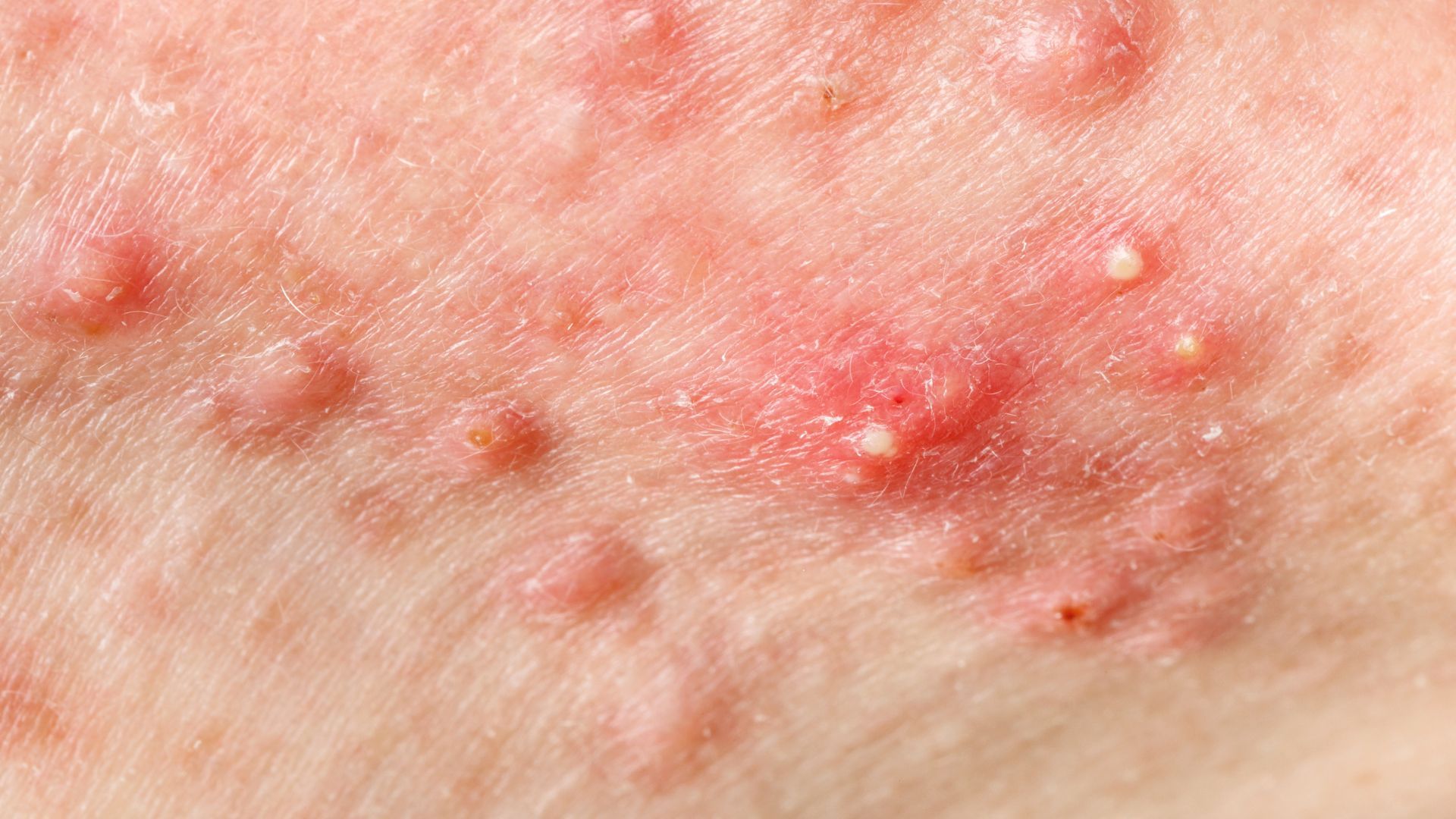
Acne is the whole reason I sit here today. The whole reason I have a career. Yet, at the time it was my hardest mountain to climb. Anyone that has suffered with this will know only too well how utterly life altering it is.
So very often it is treated as a surface-level problem.
The focus tends to be on what can be applied to the skin—cleansers, creams, topical treatments. And while those can absolutely play a role, they don’t really answer the deeper question.
Why is the skin behaving this way in the first place?
Because the skin is not operating in isolation. It is responding to signals from within the body, particularly hormonal signals, inflammatory activity, and, in many cases, what is happening in the gut.
So if acne is persistent, especially beyond the teenage years, it is usually worth looking beneath the surface.
Where acne actually starts
At the centre of acne development is the sebaceous gland.
These glands produce sebum, an oily substance that helps to protect and lubricate the skin. Under normal conditions, this is a healthy and necessary process.
The problem arises when sebum production becomes excessive and combines with dead skin cells, leading to blocked pores. This creates an environment where bacteria can thrive, and the immune system responds with inflammation.
That’s when you see redness, swelling, and breakouts.
So the question becomes: what is driving that excess sebum production and inflammation?
Two of the most important factors are hormonal signalling and inflammatory load—and both are influenced by diet.
The insulin and IGF-1 connection
One of the key drivers of acne is a hormone called IGF-1 (insulin-like growth factor 1).
IGF-1 increases the activity of the sebaceous glands and promotes the rapid turnover of skin cells. In simple terms, it makes the skin more prone to blockage and oiliness.
Now here’s where diet comes in.
When you consume foods that cause rapid spikes in blood glucose—particularly refined carbohydrates and sugars—the body responds by releasing insulin.
Insulin, in turn, increases IGF-1 levels.
So you get a cascade:
refined carbs → insulin spike → increased IGF-1 → increased sebum → higher risk of acne
This is one of the clearest mechanisms linking diet to skin health.
What to do: stabilise blood sugar
One of the most effective dietary strategies for improving acne is stabilising blood sugar.
That means reducing the frequency and intensity of glucose spikes.
Practically, that looks like:
- replacing refined carbohydrates with whole food sources
- building meals around protein, fibre, and healthy fats
- avoiding sugary snacks and drinks that create rapid spikes
For example, swapping:
white toast and jam → eggs with avocado on wholegrain bread
You’re not just changing the food—you’re changing the hormonal response to that food.
The result is lower insulin levels, reduced IGF-1 signalling, and less stimulation of the sebaceous glands.
The role of inflammation
Acne is not just about blocked pores. It is an inflammatory condition.
The redness and swelling you see are the result of immune activity within the skin.
So anything that increases systemic inflammation can make acne worse.
Highly processed foods, particularly those rich in refined sugars and certain industrial fats, can promote inflammation. Over time, this creates an internal environment that amplifies the skin’s inflammatory response.
What to do: increase anti-inflammatory foods
This is where food becomes directly therapeutic.
Certain foods actively help to regulate inflammatory pathways.
Fatty fish such as salmon, mackerel, and sardines are rich in omega-3 fatty acids. These fats influence the production of inflammatory signalling molecules, shifting the balance towards a less inflammatory state.
Including oily fish two to three times per week can begin to have a meaningful effect here.
Olive oil is another key component. Its polyphenols have been shown to influence inflammatory pathways, and it forms a cornerstone of dietary patterns associated with better skin and overall health.
Spices such as turmeric and ginger also play a role. Curcumin, the active compound in turmeric, interacts with key inflammatory pathways in the body, helping to reduce the overall inflammatory load.
So this is not just about removing problematic foods—it’s about actively adding foods that help calm the system.
The gut-skin connection
Another layer to consider is the gut.
The gut and skin are closely linked through the immune system and inflammatory signalling. When the gut microbiome is out of balance, it can increase systemic inflammation and influence skin health.
This is why many people with acne also report digestive issues.
What to do: support the gut
From a practical perspective, this means increasing foods that support a healthy microbiome.
Fibre is key here.
Vegetables, fruits, legumes, and whole grains provide the fuel that beneficial gut bacteria rely on. As these bacteria ferment fibre, they produce compounds that help regulate inflammation.
Variety matters. The more diverse the plant intake, the more diverse the microbiome.
Fermented foods can also be helpful.
Foods such as kefir, live yoghurt, sauerkraut, and kimchi introduce beneficial bacteria into the gut. They don’t replace the microbiome, but they can support its balance.
Micronutrients that matter for skin
There are also specific nutrients that play a role in skin health.
Zinc is one of the most important. It supports immune function and has been shown to influence acne severity in some individuals. Good sources include pumpkin seeds, lentils, and shellfish.
Vitamin A supports normal skin cell turnover. Foods such as carrots, sweet potatoes, and dark leafy greens provide beta-carotene, which the body can convert into vitamin A.
These nutrients don’t act in isolation, but within the context of an overall dietary pattern, they contribute to healthier skin function.
What tends to make things worse
There are a few consistent dietary patterns that tend to exacerbate acne.
Frequent consumption of refined carbohydrates and sugary foods is one of the biggest drivers, due to the insulin and IGF-1 pathway.
Dairy can also be a trigger for some individuals, possibly due to its effects on hormonal signalling, although this is not universal.
Ultra-processed foods, more broadly, tend to promote inflammation and disrupt gut health, both of which feed into the acne process.
Bringing it all together
What becomes clear when you look at acne through this lens is that it is not just a skin issue.
It is a reflection of the internal environment.
Hormonal signalling, inflammation, and gut health are all interacting, and diet sits right at the centre of that interaction.
When you stabilise blood sugar, reduce inflammatory load, and support the gut, you are addressing the underlying drivers of acne rather than just the symptoms.
And while this is not an overnight fix, it is a powerful one.
Because you are no longer working against your body—you are working with the systems that regulate it.
Like nutrition? You'll probably love this.
New research. Emerging ideas. Fascinating physiology. And a proper look at what the science actually means — without the hype.
Join my newsletter for weekly nutrition research, recipes, articles and insights worth knowing about.
We hate SPAM. We will never sell your information, for any reason.