
How to Heal Your Gut Naturally: A Food-First Approach to IBS and Digestive Issues
Apr 14, 2026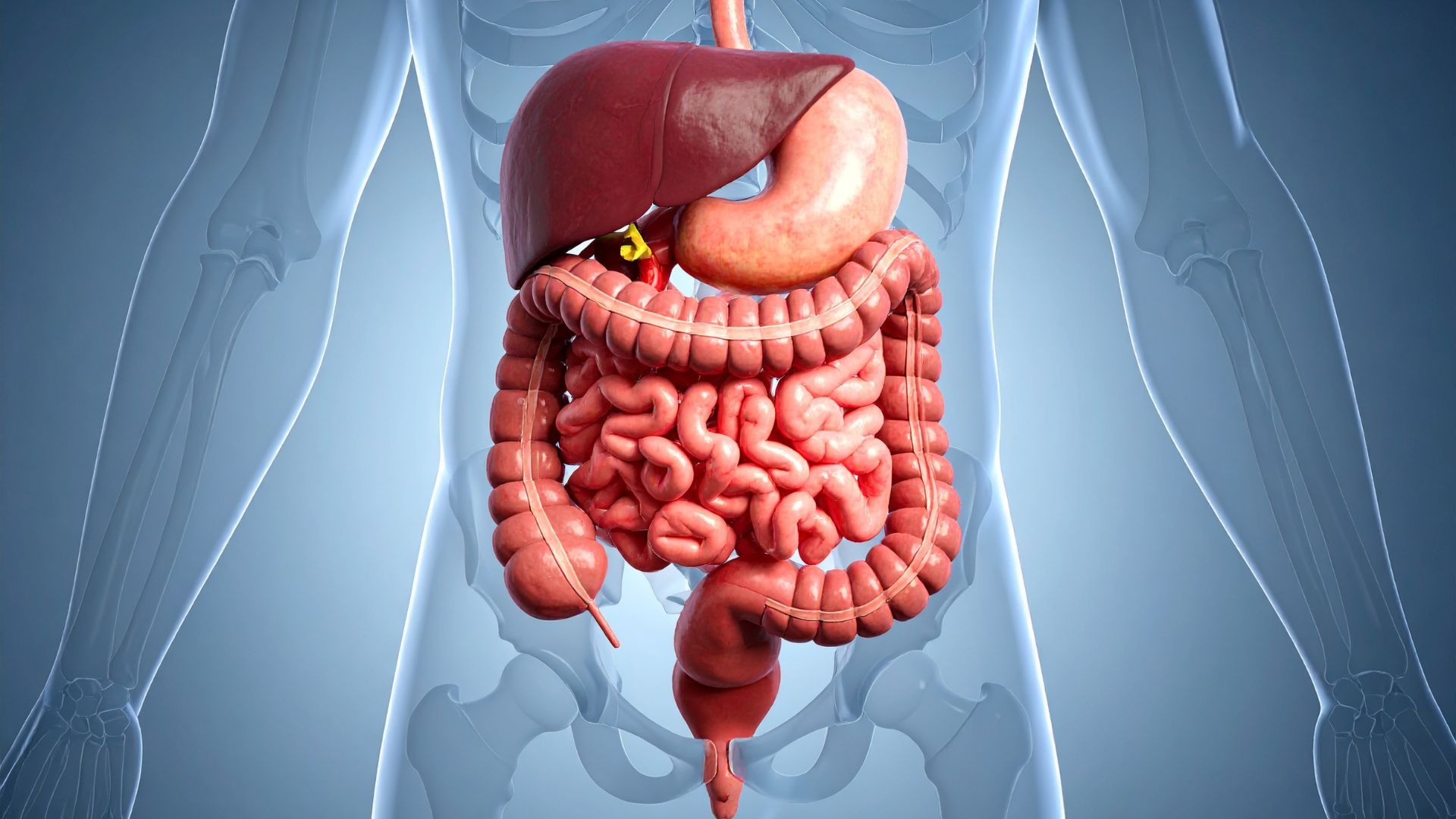
Digestive issues are incredibly common, yet often poorly understood.
People may experience bloating, discomfort, irregular bowel movements, or a general sense that their digestion is “not quite right,” sometimes for years, without a clear explanation.
In many cases, these symptoms fall under the umbrella of IBS, or irritable bowel syndrome. But while the label may be familiar, the underlying causes are often complex and varied.
So where do you begin?
The most logical place is the gut itself.
The digestive system is not just a simple tube for processing food. It is a highly active, complex system involving the gut lining, the immune system, and trillions of microorganisms collectively known as the gut microbiome.
When this system is functioning well, digestion is relatively smooth and efficient. But when something disrupts that balance, symptoms begin to appear.
One of the most common issues is an imbalance in the gut microbiome.
Diet plays a central role here.
A diet low in fibre and high in ultra-processed foods tends to reduce microbial diversity. This means fewer beneficial bacteria and a greater likelihood of imbalance. Over time, this can affect everything from digestion to immune function.
Increasing fibre intake is one of the most effective ways to support the gut.
Fibre acts as a fuel source for beneficial bacteria. As these bacteria ferment fibre, they produce short-chain fatty acids, which help to support the health of the gut lining and regulate inflammation.
However, this needs to be approached carefully in individuals with IBS, as certain types of fibre can initially exacerbate symptoms.
This is where a more tailored approach becomes important.
For some people, reducing fermentable carbohydrates—often referred to as FODMAPs—can provide relief from symptoms such as bloating and discomfort. This is not intended as a long-term restrictive diet, but rather as a short-term strategy to identify triggers and allow the gut to settle.
Alongside this, incorporating fermented foods can be beneficial.
Foods such as kefir, yoghurt, sauerkraut, and kimchi introduce beneficial bacteria into the gut. While they are not a cure in themselves, they can support a more balanced microbial environment.
There is also the role of the gut lining.
Certain nutrients, such as glutamine, zinc, and specific polyphenols, support the integrity of the gut barrier. A healthy gut lining is essential for preventing unwanted substances from passing into the bloodstream and triggering immune responses.
What becomes clear is that gut health is not about a single food or a quick fix.
It is about creating an environment in which the gut can function properly.
That means supporting the microbiome, reducing irritants, and allowing the system time to rebalance.
And when that happens, symptoms often begin to resolve in a way that feels both gradual and sustainable.
Like nutrition? You'll probably love this.
New research. Emerging ideas. Fascinating physiology. And a proper look at what the science actually means — without the hype.
Join my newsletter for weekly nutrition research, recipes, articles and insights worth knowing about.
We hate SPAM. We will never sell your information, for any reason.