Liver & Detoxification
"The word “detox” is used constantly, yet very few people understand what detoxification actually means. The liver is not something that needs cleansing — it is a highly sophisticated organ performing complex metabolic work every minute of the day. Through clinical practice and years of studying nutritional biochemistry, it has become clear that true liver support is about reducing overload and strengthening natural processing pathways, not chasing extreme short-term fixes. The insights below explore how detoxification really works and how to protect long-term liver resilience."
Few concepts in nutrition are as misunderstood as detoxification. It is often presented as something the body fails to do unless helped by cleanses, juices, supplements, or short-term interventions. In reality, detoxification is not a special event. It is a continuous, life-sustaining process carried out primarily by the liver, every minute of every day.
You are detoxifying constantly.
The liver is one of the most metabolically active organs in the body. It acts as a central processing hub, regulating blood sugar, metabolising fats, managing cholesterol, processing hormones, neutralising toxins, and preparing waste products for elimination. When liver function is well supported, these processes happen quietly and efficiently in the background. When the liver is overwhelmed, the effects are felt throughout the entire system.
Understanding detoxification begins with understanding what the liver actually does.
The liver sits at the crossroads of metabolism and detoxification. Blood from the digestive tract passes directly through the liver before entering general circulation. This allows the liver to assess incoming nutrients, toxins, hormones, and metabolic by-products, deciding what should be stored, transformed, used, or excreted.
Detoxification is not about removing “toxins” in a vague sense. It is about biochemical transformation.
Many compounds that enter the body, including environmental chemicals, medications, alcohol, and even naturally produced hormones, cannot be safely excreted in their original form. The liver modifies these compounds through a series of enzyme-driven reactions, making them less biologically active and easier to eliminate via bile or urine.
This process occurs in tightly regulated stages.
In the first stage, compounds are chemically modified, often becoming temporarily more reactive. In the second stage, they are bound to other molecules to neutralise them and prepare them for excretion. Both stages require energy, enzymes, antioxidants, and a steady supply of specific nutrients. If any part of this system is under-resourced, detoxification becomes less efficient.
This is where modern life creates problems.
The liver is remarkably resilient, but it has limits. Highly processed diets, excess sugar, refined carbohydrates, alcohol, environmental exposures, medications, chronic stress, and sleep disruption all increase the liver’s workload. When incoming demand exceeds processing capacity, compounds accumulate rather than being cleared efficiently.
One of the clearest signs of this overload is fatty liver disease.
Non-alcoholic fatty liver disease occurs when excess energy, particularly from sugars and refined carbohydrates, is converted into fat and stored within liver cells. This interferes with insulin signalling, worsens blood sugar control, disrupts lipid metabolism, and increases systemic inflammation. Fatty liver is now one of the most common metabolic conditions worldwide and a major driver of metabolic and cardiovascular disease.
The liver also plays a central role in hormone regulation.
Hormones such as oestrogen, cortisol, thyroid hormones, and insulin are metabolised and cleared by the liver. When liver function is impaired, hormone clearance becomes less efficient, leading to hormonal imbalance. This can contribute to symptoms such as fatigue, mood changes, weight gain, worsening menopausal symptoms, and disrupted stress responses.
This is why liver health is inseparable from hormonal health.
Cholesterol regulation is another key liver function.
The liver determines how much cholesterol is produced, how it is packaged into lipoproteins, how much is recycled, and how much is excreted in bile. When liver metabolism is compromised, cholesterol handling becomes less efficient, increasing cardiovascular risk. This is one reason fatty liver disease and heart disease so often coexist.
Detoxification also relies on the gut.
Bile carries waste products from the liver into the digestive tract for elimination. Fibre plays a crucial role here by binding bile and supporting its excretion. Without adequate fibre, bile can be reabsorbed, increasing toxic load and impairing cholesterol regulation. This gut–liver connection means detoxification cannot be understood in isolation.
The microbiome further influences this process.
Gut bacteria can modify bile acids, influence liver enzyme activity, and regulate inflammatory signalling between the gut and liver. Dysbiosis, often driven by low-fibre diets and ultra-processed foods, disrupts this communication and increases liver stress.
Stress adds another layer of pressure.
Chronic stress alters blood flow to the liver, increases cortisol production, destabilises blood sugar, and increases oxidative stress. Over time, this compounds metabolic load and impairs detoxification capacity.
Nutrition plays a central role in supporting liver function, but not in the way detox culture often suggests.
The liver does not need to be “flushed” or “cleansed”. It needs support.
Adequate protein is essential for enzyme production and detoxification pathways. Micronutrients such as B vitamins, zinc, selenium, and magnesium act as cofactors in liver metabolism. Antioxidants help neutralise reactive by-products generated during detoxification. Fibre supports bile excretion and gut–liver communication.
Plant foods provide compounds that help regulate liver enzymes, not by forcing detoxification, but by supporting its normal rhythm. Cruciferous vegetables, herbs, spices, and polyphenol-rich foods all contribute to liver resilience.
Importantly, extreme approaches often backfire.
Severe calorie restriction, aggressive fasting, or unbalanced detox protocols can increase toxin release from fat tissue without providing adequate resources for clearance. This can worsen symptoms and increase physiological stress rather than relieve it.
True liver support is quiet, consistent, and cumulative.
When liver function improves, many other systems benefit. Blood sugar becomes easier to regulate. Cholesterol handling improves. Hormonal balance stabilises. Inflammatory load decreases. Energy improves. Skin, digestion, and mental clarity often follow.
The purpose of this page is to give you the full framework for understanding liver health and detoxification as real biological processes, not marketing concepts. The deeper sections linked below explore specific liver conditions, detox pathways, and practical strategies in more detail.
But everything begins here.
Detoxification is not something you switch on for a week. It is something you support, intelligently and consistently, so the liver can continue doing the extraordinary work it was designed to do.
Five Simple Steps For Better Liver Health
Supporting the liver is not about forcing detoxification or eliminating imagined toxins. It is about reducing unnecessary strain and supplying the nutrients and conditions the liver needs to do its job efficiently. These five steps address the most common reasons liver function becomes compromised in modern life.
1. Reduce Excess Metabolic Load at the Source
One of the greatest stresses placed on the liver is excess energy arriving faster than it can be processed.
Large amounts of sugar, refined carbohydrates, and alcohol are all handled primarily by the liver. When intake exceeds metabolic capacity, surplus energy is converted into fat and stored in liver cells. Over time, this leads to fatty liver, impaired insulin signalling, and disrupted lipid metabolism.
Improving liver health therefore begins by lowering this incoming load.
This does not require extreme restriction, but it does require reducing the frequency and intensity of metabolic overwhelm. Meals built around whole foods that digest more slowly place far less strain on liver pathways than diets dominated by refined and liquid calories.
When metabolic pressure is reduced, the liver can redirect resources from storage and damage control back toward regulation and repair.
2. Stabilise Blood Sugar to Protect Liver Function
The liver is a central regulator of blood sugar, particularly between meals and overnight.
When blood sugar rises rapidly and repeatedly, the liver is forced into constant corrective action, converting excess glucose into fat and releasing glucose during crashes. This cycle accelerates fat accumulation in the liver and worsens insulin resistance.
Stabilising blood sugar reduces this constant demand.
Meals that include adequate protein, fibre-rich plant foods, and appropriate fats lead to gentler glucose handling and lower insulin demand. Refined carbohydrates and sugars do the opposite, repeatedly pushing the liver into emergency metabolic mode.
As blood sugar regulation improves, liver fat accumulation often slows or reverses, and metabolic flexibility begins to return.
3. Support Detoxification Pathways with Adequate Nutrition
Detoxification is an active, resource-dependent process.
Liver enzymes responsible for neutralising toxins, medications, hormones, and metabolic by-products require amino acids, vitamins, minerals, and antioxidants to function effectively. When these resources are lacking, detoxification becomes less efficient, even if toxin exposure is not particularly high.
Adequate protein intake is foundational, as amino acids are required to build detoxification enzymes and bind waste products for safe excretion. B vitamins support enzymatic reactions. Minerals such as zinc and selenium support antioxidant defence and enzyme structure.
This is why restrictive diets often worsen detox symptoms rather than improving them. The liver cannot clear what it cannot process.
Supporting detoxification is not about stimulation. It is about supply.
4. Use Fibre to Complete the Detox Process
Detoxification does not end in the liver.
Many waste products are packaged into bile and excreted into the gut. From there, they must be eliminated from the body. Fibre plays a crucial role in this final step by binding bile and supporting its removal.
When fibre intake is low, bile can be reabsorbed back into circulation, increasing toxic load and forcing the liver to repeat the same detoxification work again and again. This also impairs cholesterol regulation and increases inflammatory burden.
Fibre-rich diets support efficient elimination, healthier bile flow, and better gut–liver communication. This makes detoxification a closed loop rather than a recycling problem.
Supporting liver health therefore always involves supporting gut health as well.
5. Reduce Chronic Stress and Protect Sleep
The liver is highly sensitive to stress.
Chronic psychological stress alters blood flow to the liver, increases cortisol production, destabilises blood sugar, and increases oxidative stress. Over time, this compounds metabolic load and reduces detoxification efficiency.
Sleep is equally important.
Many liver repair and detoxification processes are more active during sleep. Poor sleep disrupts circadian regulation of liver enzymes, worsens insulin resistance, and increases inflammatory signalling. Even modest improvements in sleep quality can meaningfully improve liver function over time.
Supporting liver health means recognising that stress and sleep are not secondary factors. They are central regulators of metabolic and detox capacity.
Better liver health is not achieved through short-term cleanses or aggressive interventions. It is built through load reduction, nutritional support, and consistency.
These five steps work because they lower the demands placed on the liver while increasing its ability to process, regulate, and recover. Applied consistently, they improve blood sugar control, lipid metabolism, hormonal balance, and inflammatory regulation.
When the liver is properly supported, detoxification becomes quieter, more efficient, and far less noticeable — exactly as it should be.
Everything else builds from here.
Let's Dive Deeper!
Learn More About:
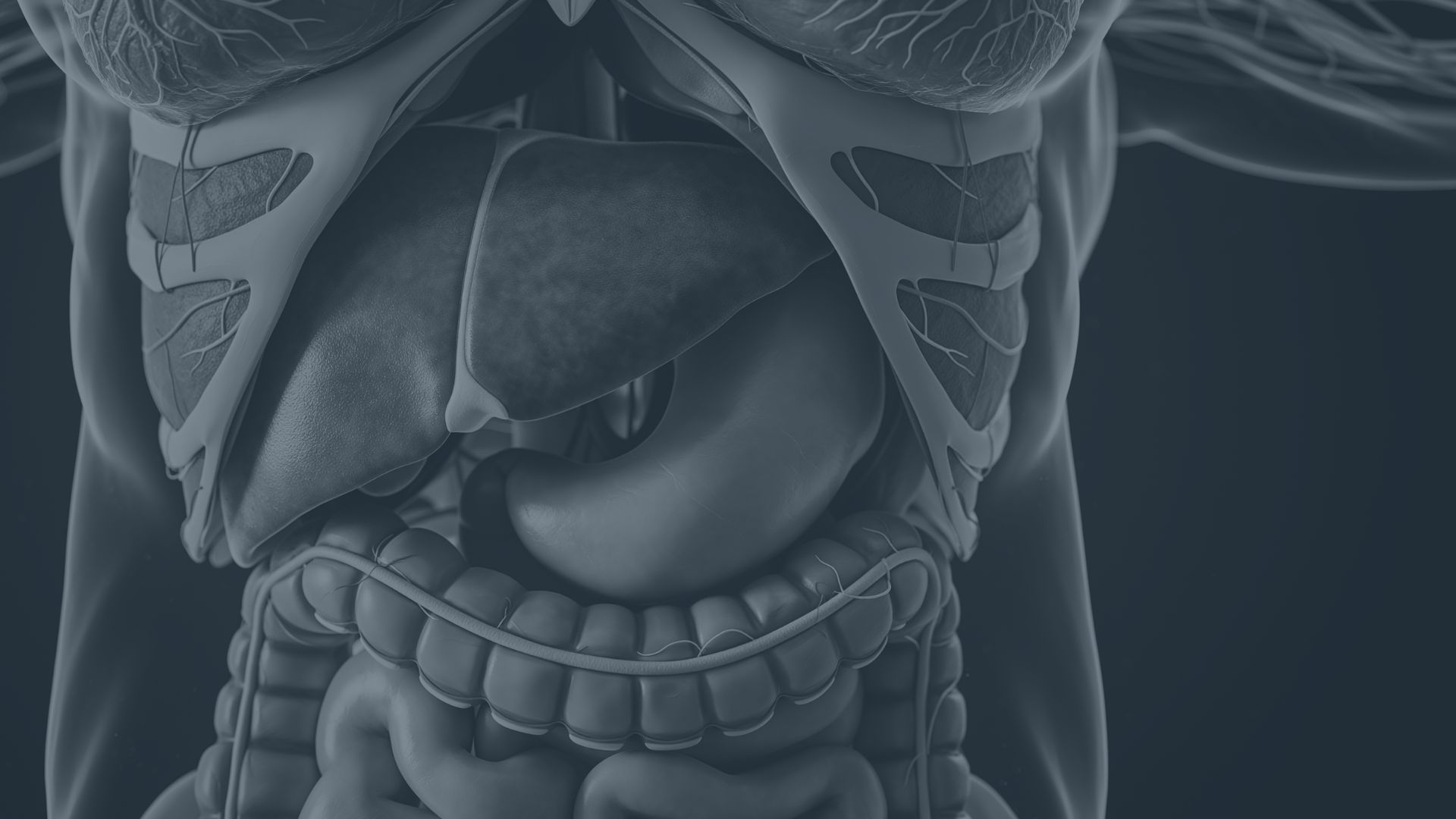
Liver Function & Biotransformation
Understand what the liver actually does, how detoxification pathways work, and why real liver health goes far beyond cleanses.
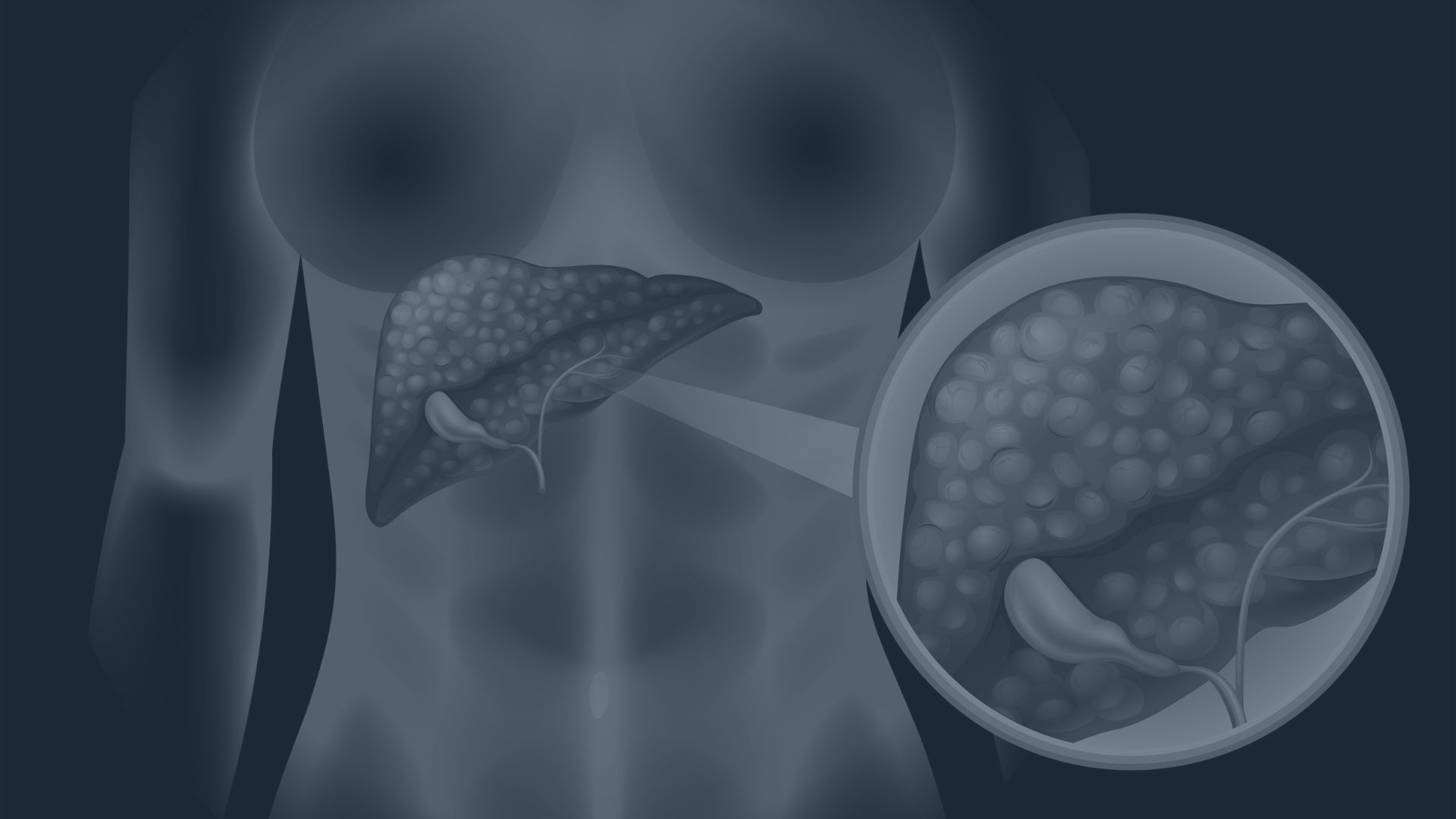
Fatty Liver & Metabolic Overload
Learn how insulin resistance, excess sugar, and visceral fat impair liver function and raise long-term metabolic risk.
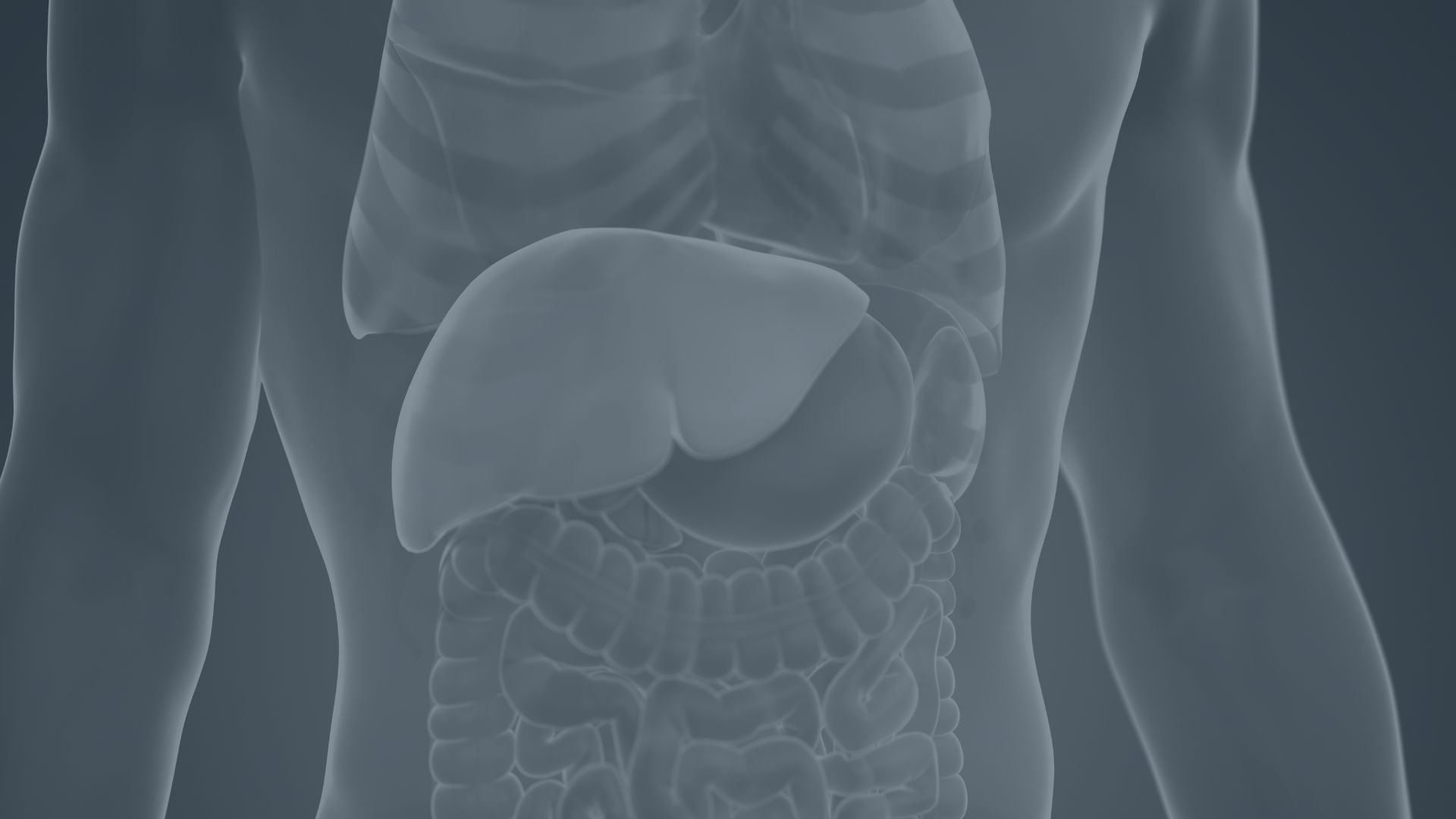
Hormone Clearance & Oestrogen Metabolism
Explore how the liver processes hormones, why clearance matters, and how diet influences hormonal balance over time.
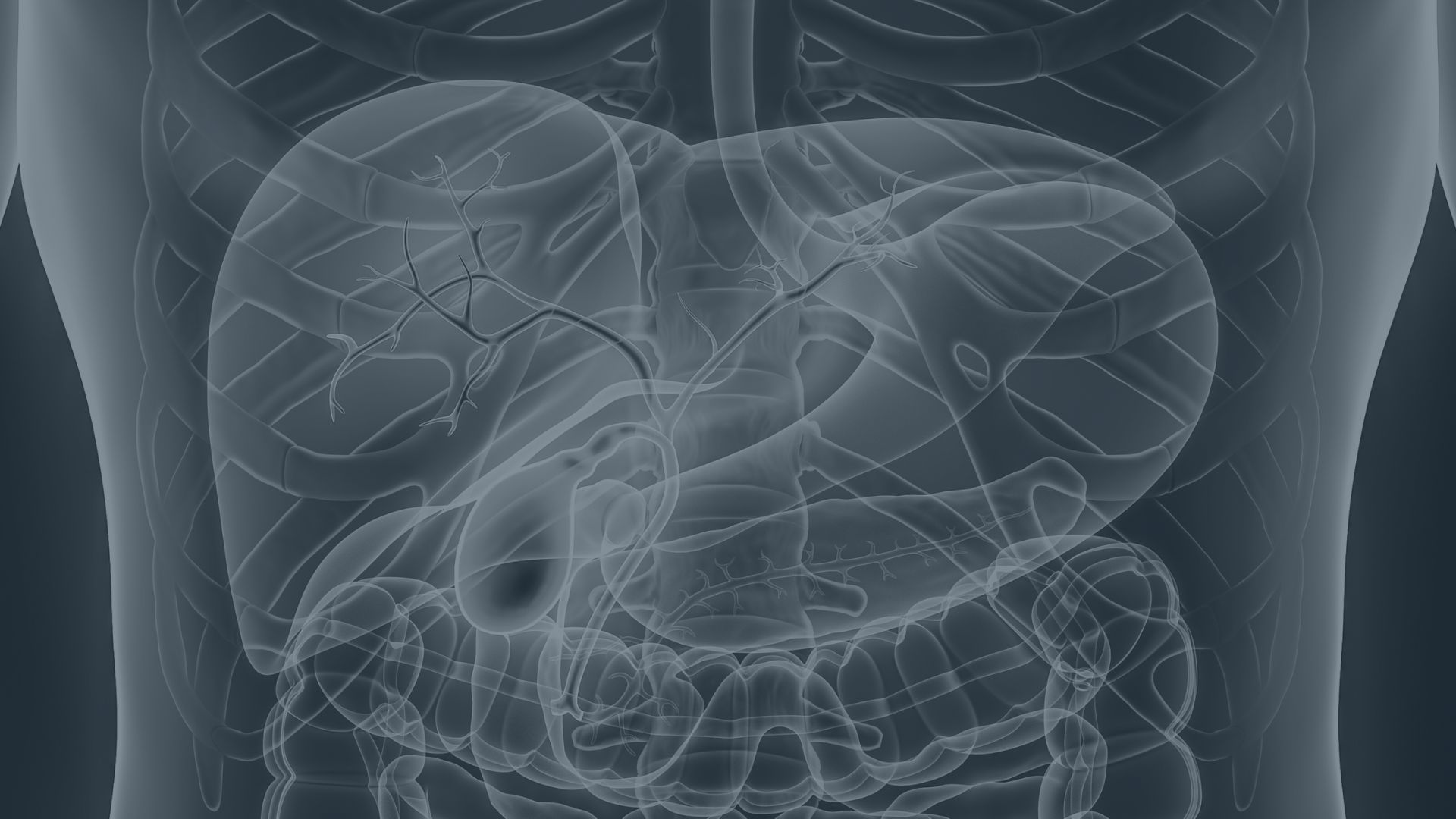
Bile Flow, Gallbladder & Digestive Clearance
Discover how bile carries waste and cholesterol out of the body, and why gut health determines successful elimination.
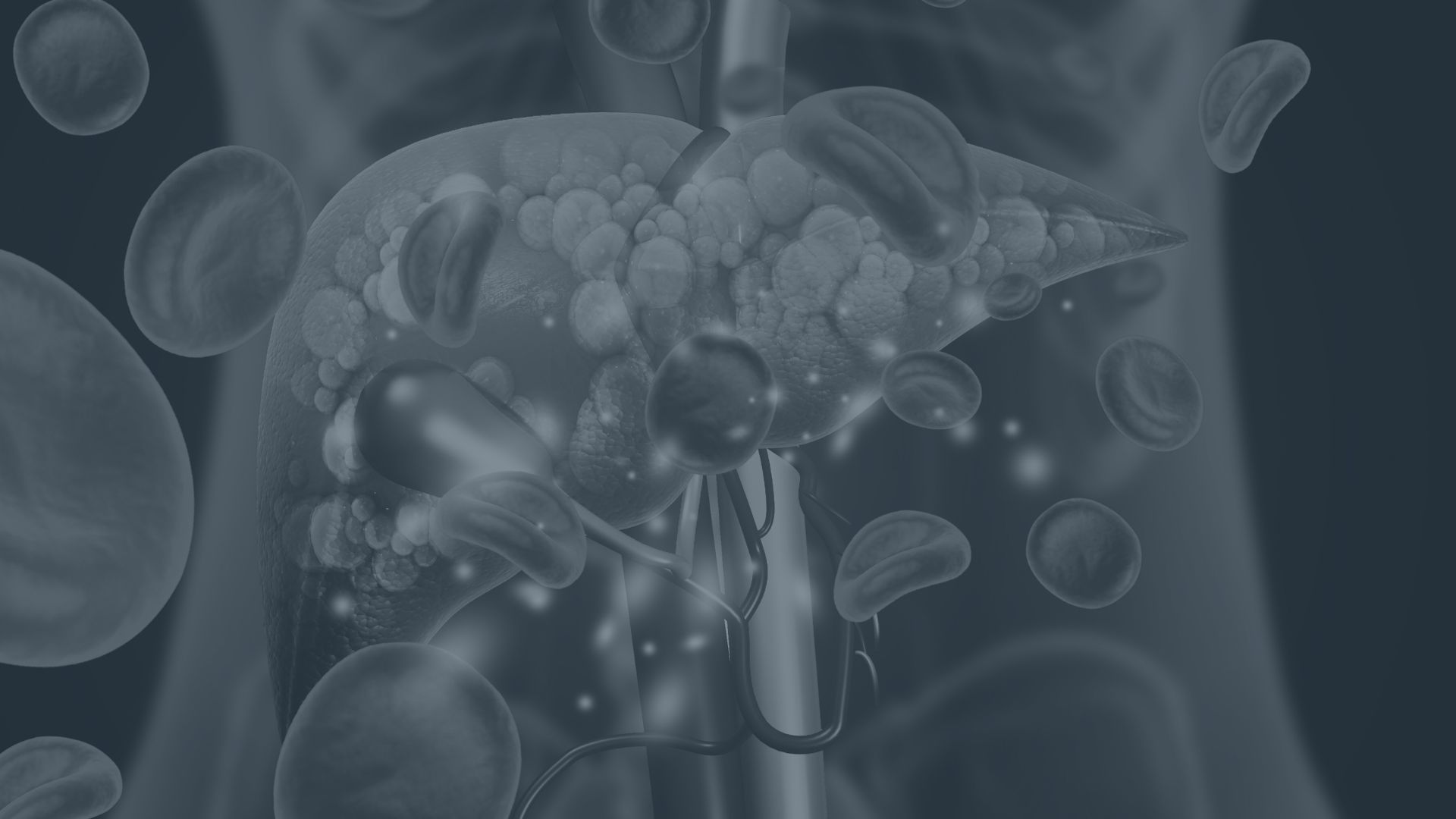
Alcohol, Medication & Liver Stress
See how the liver processes alcohol and drugs, what drives oxidative damage, and how to protect hepatic resilience.
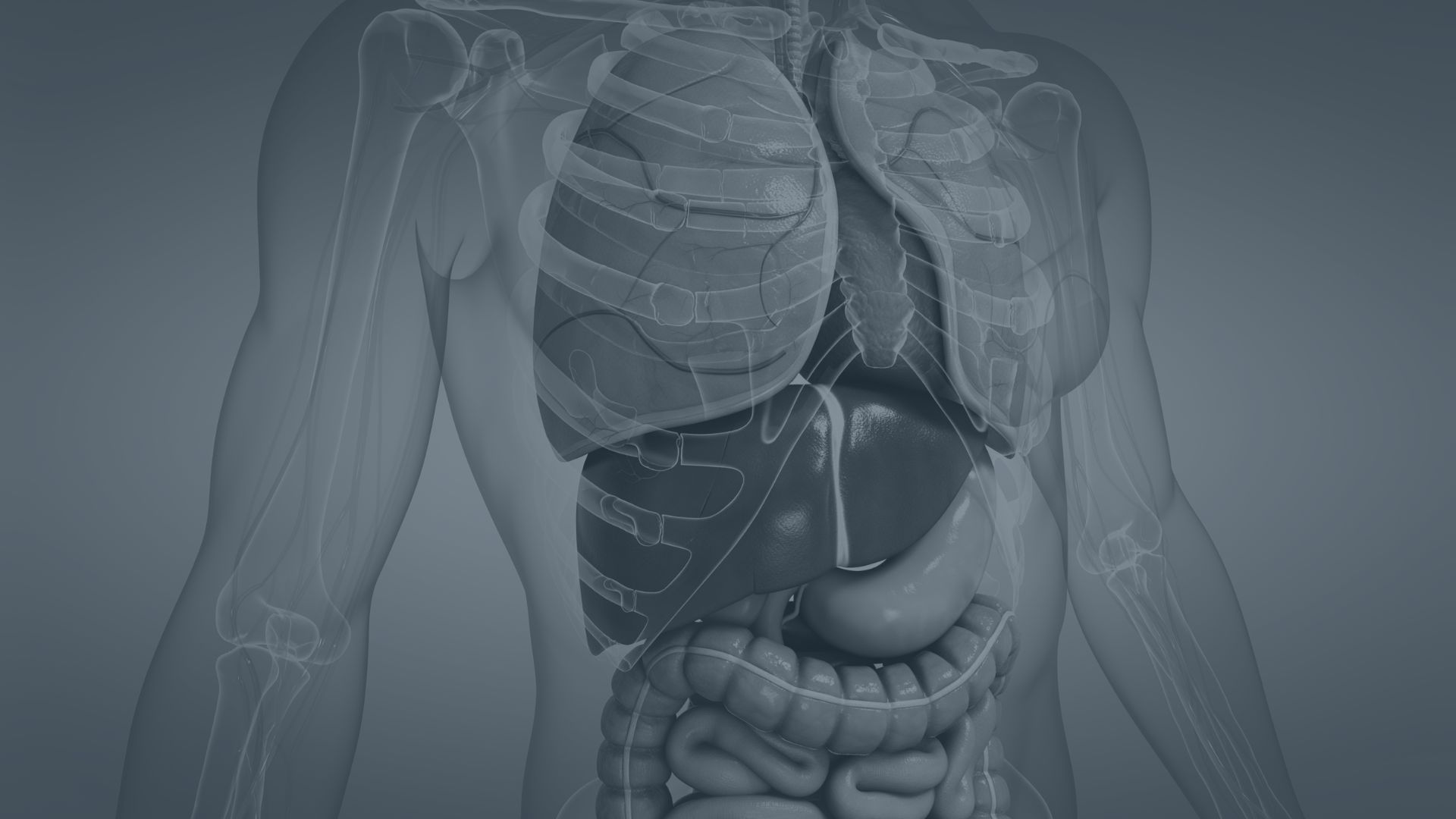
Nutritional Strategies for Liver Resilience
Learn how protein, fibre, antioxidants, and metabolic stability support liver function and long-term detox capacity.
My Top Recipes For Supporting Livery Health & Detoxification

Sea Bass With Chicory, Rocket & Lemon Olive Dressing
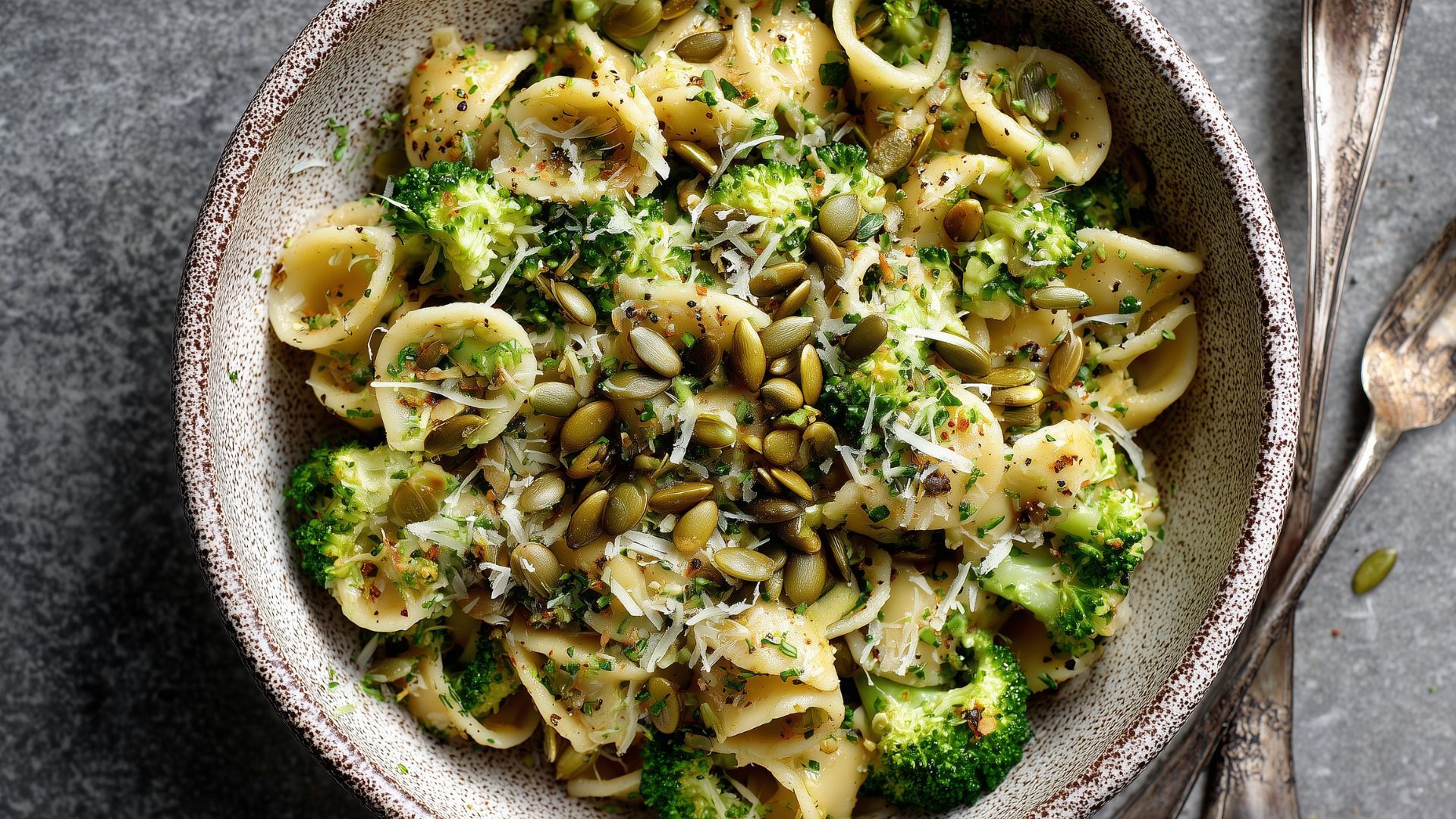
Broccoli, Garlic & Lemon Pasta With Pumpkin Seeds
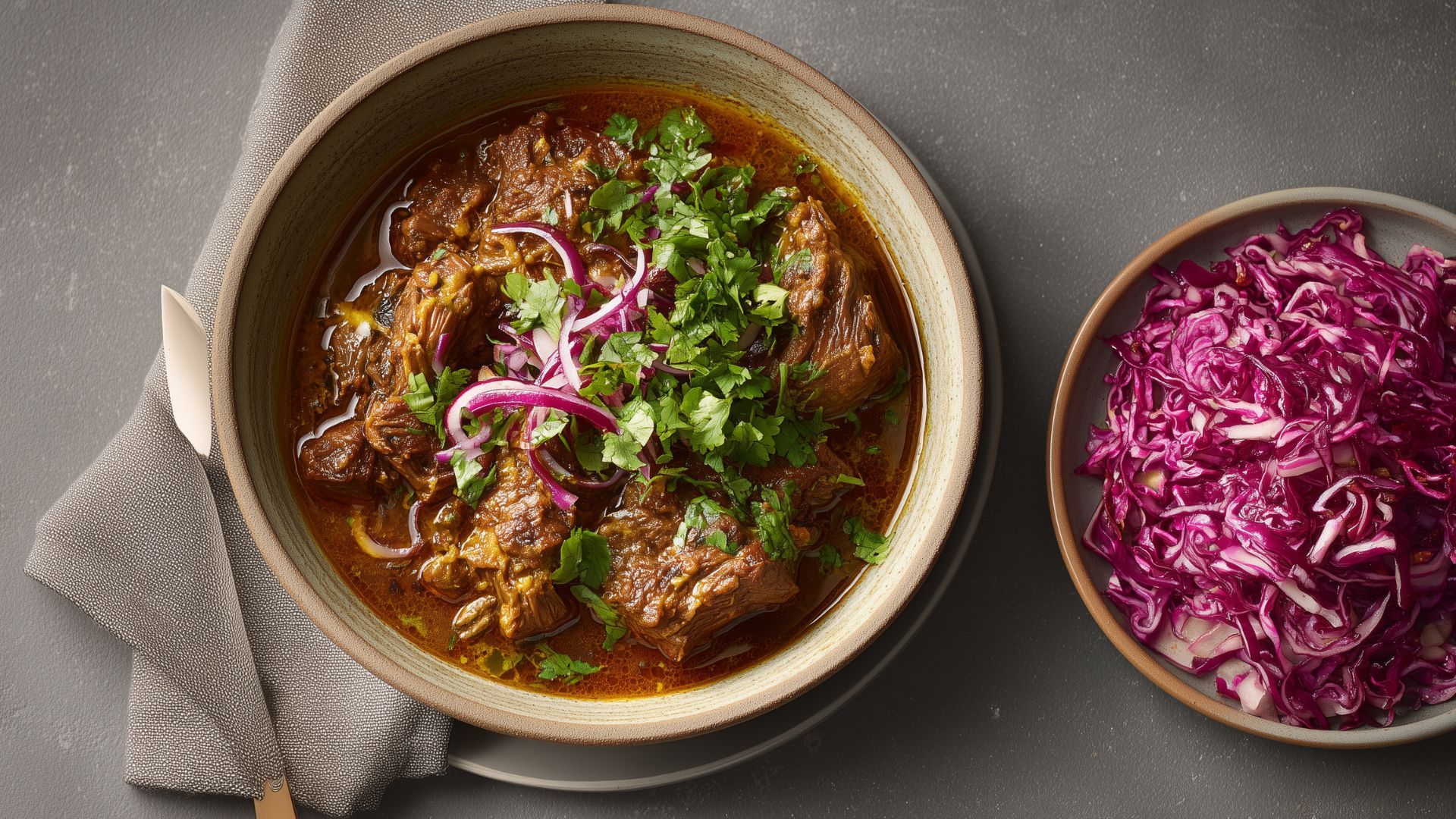
Slow Cooked Lamb, Cumin, Coriander & Red Slaw

Lentil, Beetroot & Parsley Salad With Tahini Dressing

Sardine & Fennel Traybake With Capers & Tomatoes