Heart Health & Cholesterol
"Heart health is often reduced to a single cholesterol number, yet cardiovascular disease is driven by far more complex biology. Blood sugar control, inflammation, lipoprotein behaviour, vascular function, and metabolic health all shape long-term risk. Over decades of clinical practice, it has become clear that meaningful prevention comes from understanding how arteries are affected at a cellular level — not from chasing oversimplified dietary rules. The insights below explore how heart disease actually develops and how to protect cardiovascular health through evidence-based strategy."
Heart disease remains one of the leading causes of illness and death worldwide, yet public understanding of cardiovascular health is still dominated by oversimplified narratives. Cholesterol is often treated as the central villain, a single number to be lowered at all costs, while the broader biological context in which heart disease actually develops is overlooked.
In reality, cardiovascular health is not determined by cholesterol alone. It is shaped by the interaction between blood vessels, metabolism, inflammation, immune responses, and long-term lifestyle patterns. Cholesterol plays a role in this process, but it does not act in isolation, and it does not behave as a toxin in a healthy system.
To understand heart health properly, we need to understand what cholesterol is, what it does, and why it only becomes problematic under certain conditions.
Cholesterol is an essential molecule.
It is a structural component of every cell membrane in the body. It is required for the production of steroid hormones, bile acids, and vitamin D. It plays a critical role in brain health and nerve signalling. The body produces the majority of the cholesterol it needs internally, carefully regulating synthesis according to demand.
Dietary cholesterol contributes relatively little to total cholesterol levels for most people.
The real issue is not how much cholesterol exists, but how it is transported, modified, and handled within the bloodstream.
Because cholesterol is not water-soluble, it travels through the blood packaged inside lipoproteins. These particles vary in size, density, and behaviour. Under healthy conditions, lipoproteins deliver cholesterol to tissues where it is needed and are then cleared efficiently by the liver.
Problems arise when the vascular environment becomes hostile.
The inner lining of blood vessels, known as the endothelium, plays a crucial role in cardiovascular health. It regulates blood flow, prevents inappropriate clotting, and controls immune interactions with the vessel wall. When the endothelium is healthy, cholesterol-containing particles circulate without causing harm.
When the endothelium is damaged, the situation changes dramatically.
Repeated blood sugar spikes, chronic inflammation, smoking, oxidative stress, and high blood pressure all damage the endothelial lining. Once this protective barrier is compromised, lipoproteins can penetrate the vessel wall. There, they may become oxidised or otherwise modified, triggering an immune response.
This is the true beginning of atherosclerosis.
Plaque formation is not simply cholesterol accumulation. It is an inflammatory process involving immune cells, damaged lipoproteins, and ongoing endothelial injury. Cholesterol becomes part of the plaque because it is responding to tissue damage, not because it initiated it.
This distinction is critical.
Cholesterol does not start the fire. It gets involved once the environment is already inflamed and damaged.
Metabolic health strongly influences this process.
Insulin resistance, unstable blood sugar, and excess visceral fat all promote vascular inflammation and oxidative stress. These conditions increase the likelihood that lipoproteins will become modified and contribute to plaque development. This is why cardiovascular disease so often coexists with metabolic disease, type 2 diabetes, and fatty liver.
The liver plays a central role in cholesterol regulation.
It determines how much cholesterol is produced, how lipoproteins are assembled, how cholesterol is recycled, and how excess is excreted via bile. When the liver is metabolically stressed, lipid handling becomes less efficient. This often results in higher triglycerides, altered lipoprotein patterns, and increased cardiovascular risk.
Fatty liver disease, now extremely common, is a major but underappreciated contributor to heart disease.
Inflammation weaves through every stage of cardiovascular disease.
Inflammatory signalling increases endothelial damage, promotes plaque instability, and interferes with normal vascular repair. Chronic low-grade inflammation accelerates plaque progression and increases the risk that plaques will rupture, leading to heart attacks and strokes.
This is why cardiovascular disease is now widely recognised as an inflammatory condition, not simply a lipid disorder.
Nutrition influences heart health by shaping this entire biological environment.
Diets dominated by ultra-processed foods tend to destabilise blood sugar, promote inflammation, and displace protective nutrients. Over time, this creates the conditions in which cholesterol becomes problematic.
By contrast, whole-food dietary patterns support endothelial health, improve metabolic control, and reduce inflammatory load. Fibre plays a particularly important role by improving blood sugar regulation, supporting cholesterol excretion, and feeding gut microbes that produce anti-inflammatory compounds.
Fat quality matters far more than total fat intake.
Omega-3 fats support vascular function, reduce triglycerides, improve endothelial flexibility, and contribute to inflammatory resolution. Excessive intake of omega-6 fats from industrial seed oils, particularly in the absence of sufficient antioxidants, can promote inflammatory signalling within blood vessels.
Micronutrients and plant compounds also contribute significantly.
Minerals such as magnesium and potassium support blood pressure regulation and vascular tone. Polyphenols help protect lipoproteins from oxidative damage and support endothelial repair. These compounds work together, not in isolation.
It is also important to acknowledge the role of medication.
For people with established cardiovascular disease or very high risk, medications such as statins can reduce risk and save lives. Nutrition does not replace medical treatment where it is needed. However, diet quality strongly influences the underlying disease process and can work alongside medical care to improve outcomes.
Long-term heart health is not about achieving a perfect cholesterol number.
It is about maintaining healthy blood vessels, stable metabolism, low inflammatory load, and efficient lipid handling over decades. When these conditions are met, cholesterol is managed appropriately by the body and poses far less risk.
This page exists to give you the full framework for understanding heart health and cholesterol in context. The deeper sections linked below explore specific aspects in more detail, from lipoproteins and inflammation to dietary strategies and cardiovascular ageing.
But everything begins here.
When we stop treating cholesterol as the enemy and start focusing on the health of the system it operates within, cardiovascular disease becomes far more understandable — and far more preventable.
Five Simple Steps to Improve Heart Health & Cholesterol
Improving heart health is not about obsessing over a single blood test result or eliminating entire food groups. It is about creating the biological conditions in which blood vessels remain resilient, cholesterol is handled appropriately, and inflammation is kept in balance. These five steps address the core processes that determine long-term cardiovascular risk.
1. Protect the Blood Vessels First, Not Just the Numbers
Cardiovascular disease begins with damage to the inner lining of blood vessels, not with cholesterol itself.
The endothelium plays a crucial role in regulating blood flow, preventing inappropriate clotting, and controlling immune interactions. When it is healthy, cholesterol-containing particles circulate safely. When it is damaged, those same particles can contribute to plaque formation.
Protecting blood vessels means reducing the factors that cause endothelial injury. Chronic inflammation, oxidative stress, high blood pressure, smoking, and repeated blood sugar spikes all damage the endothelium over time.
Nutrition supports vascular health by lowering inflammatory load, improving antioxidant defences, and stabilising blood sugar. When blood vessels are protected, cholesterol becomes far less problematic downstream.
2. Stabilise Blood Sugar to Reduce Cardiovascular Stress
Blood sugar instability is a major, often overlooked driver of heart disease.
Repeated spikes in glucose increase oxidative stress, promote inflammatory signalling within blood vessels, and accelerate endothelial damage. Over time, this creates a vascular environment in which cholesterol is more likely to become modified and involved in plaque formation.
Stabilising blood sugar reduces this stress at its source.
Meals that combine protein, fibre-rich plant foods, and appropriate fats lead to gentler rises in blood glucose and lower insulin demand. Refined carbohydrates and sugars do the opposite, repeatedly stressing vascular tissues.
Improving blood sugar regulation often leads to improvements in triglycerides, HDL cholesterol, and overall cardiovascular risk — even before cholesterol levels change significantly.
3. Improve Fat Quality to Support Cholesterol Handling
The issue with dietary fat is not fat itself, but the type of fat and the context in which it is consumed.
Omega-3 fats support cardiovascular health by reducing triglycerides, improving endothelial function, and contributing to the resolution of inflammation. They also influence the size and behaviour of lipoprotein particles, making them less likely to become harmful.
By contrast, excessive intake of omega-6 fats from industrial seed oils, particularly when combined with low antioxidant intake, can promote inflammatory signalling and oxidative stress within blood vessels.
Improving heart health involves restoring balance rather than eliminating fat. When fat quality improves, cholesterol transport becomes safer and more efficient.
4. Support the Liver to Regulate Cholesterol Properly
The liver is the central regulator of cholesterol metabolism.
It controls cholesterol production, assembles lipoproteins, clears particles from circulation, and excretes excess cholesterol via bile. When the liver is metabolically stressed, lipid handling becomes less efficient, increasing cardiovascular risk.
Fatty liver disease, driven by excess sugar, refined carbohydrates, alcohol, and metabolic dysfunction, strongly worsens cholesterol patterns and inflammation.
Supporting liver health through improved diet quality, adequate protein, fibre intake, and reduced metabolic load improves cholesterol regulation at its source. This often leads to healthier lipid profiles without aggressive dietary restriction.
5. Reduce Chronic Inflammation to Lower Long-Term Risk
Chronic inflammation is the common thread that connects cholesterol, plaque instability, and cardiovascular events.
Inflammatory signalling weakens blood vessels, accelerates plaque progression, and increases the risk that plaques will rupture. This is why inflammation is now recognised as a central driver of heart attacks and strokes.
Reducing inflammation involves lowering metabolic stress, improving gut health, stabilising blood sugar, and increasing intake of anti-inflammatory nutrients. Fibre-rich diets support gut microbes that produce compounds protective to blood vessels. Polyphenols help reduce oxidative damage to lipoproteins. Omega-3 fats support inflammatory resolution.
Lowering inflammation does not just slow plaque development. It makes existing plaques more stable and less likely to cause acute events.
Improving heart health is not about chasing perfect cholesterol numbers or living in fear of food. It is about supporting the systems that keep blood vessels healthy, inflammation controlled, and cholesterol properly managed.
These five steps are simple, but they are powerful because they work upstream. Applied consistently, they reduce cardiovascular risk, support long-term vascular resilience, and protect the heart over decades.
Everything else builds from here.
Let's Dive Deeper!
Learn More About:
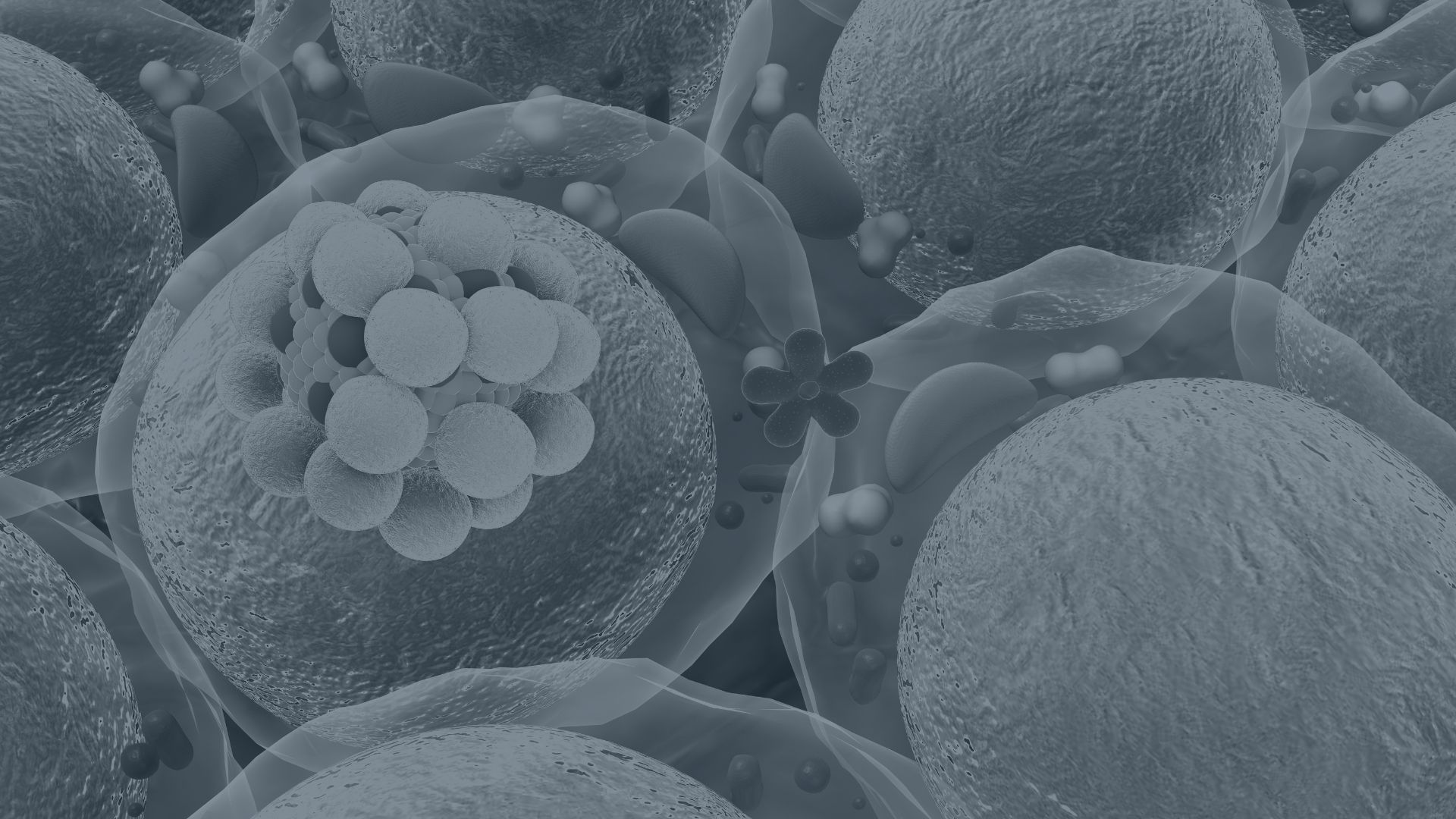
Cholesterol & Lipoproteins Explained
Understand how cholesterol is transported in the body, why lipoproteins matter, and what truly influences cardiovascular risk.
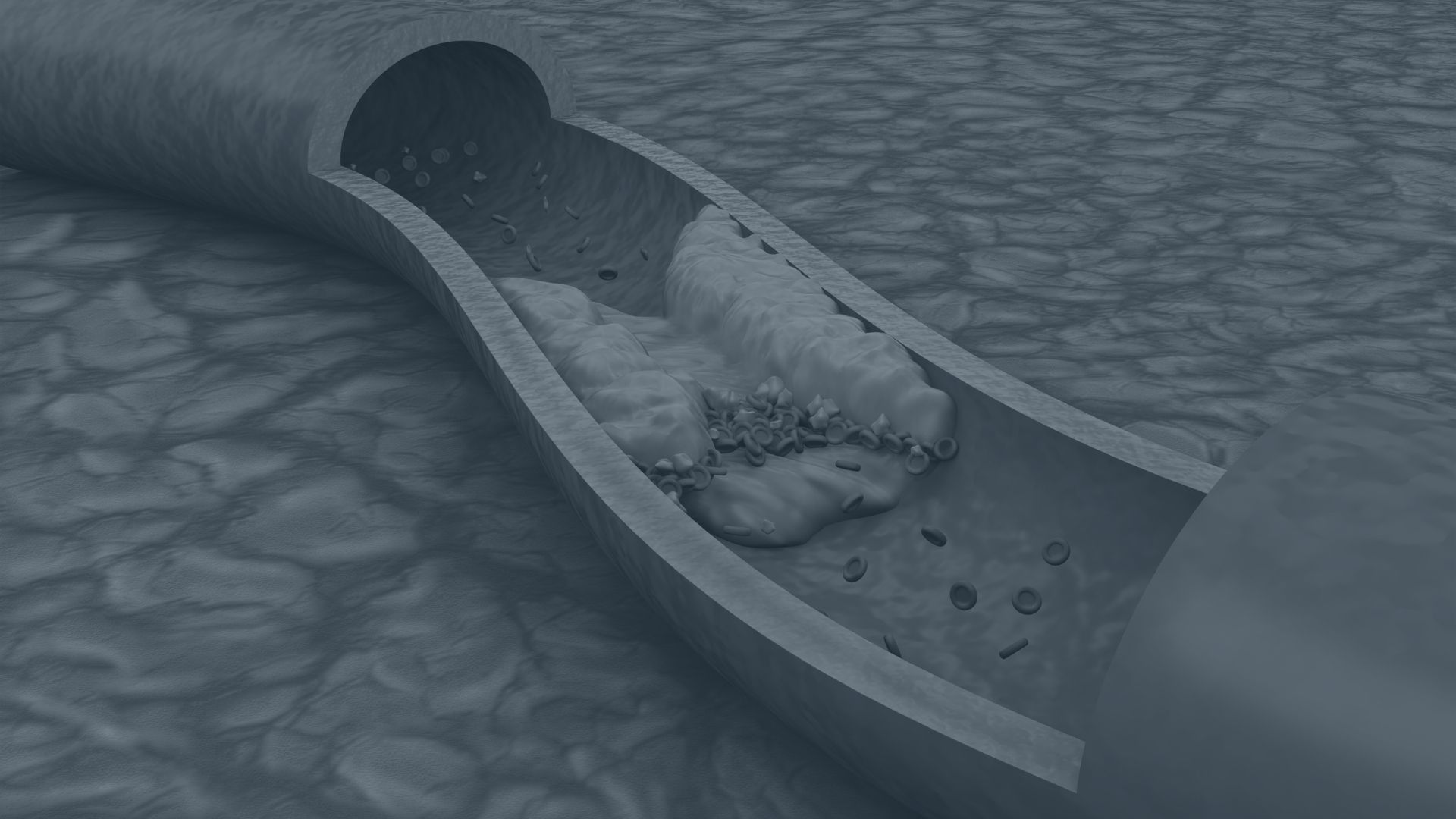
Inflammation & Arterial Damage
Learn how inflammation damages blood vessels, drives plaque formation, and increases cardiovascular disease risk.
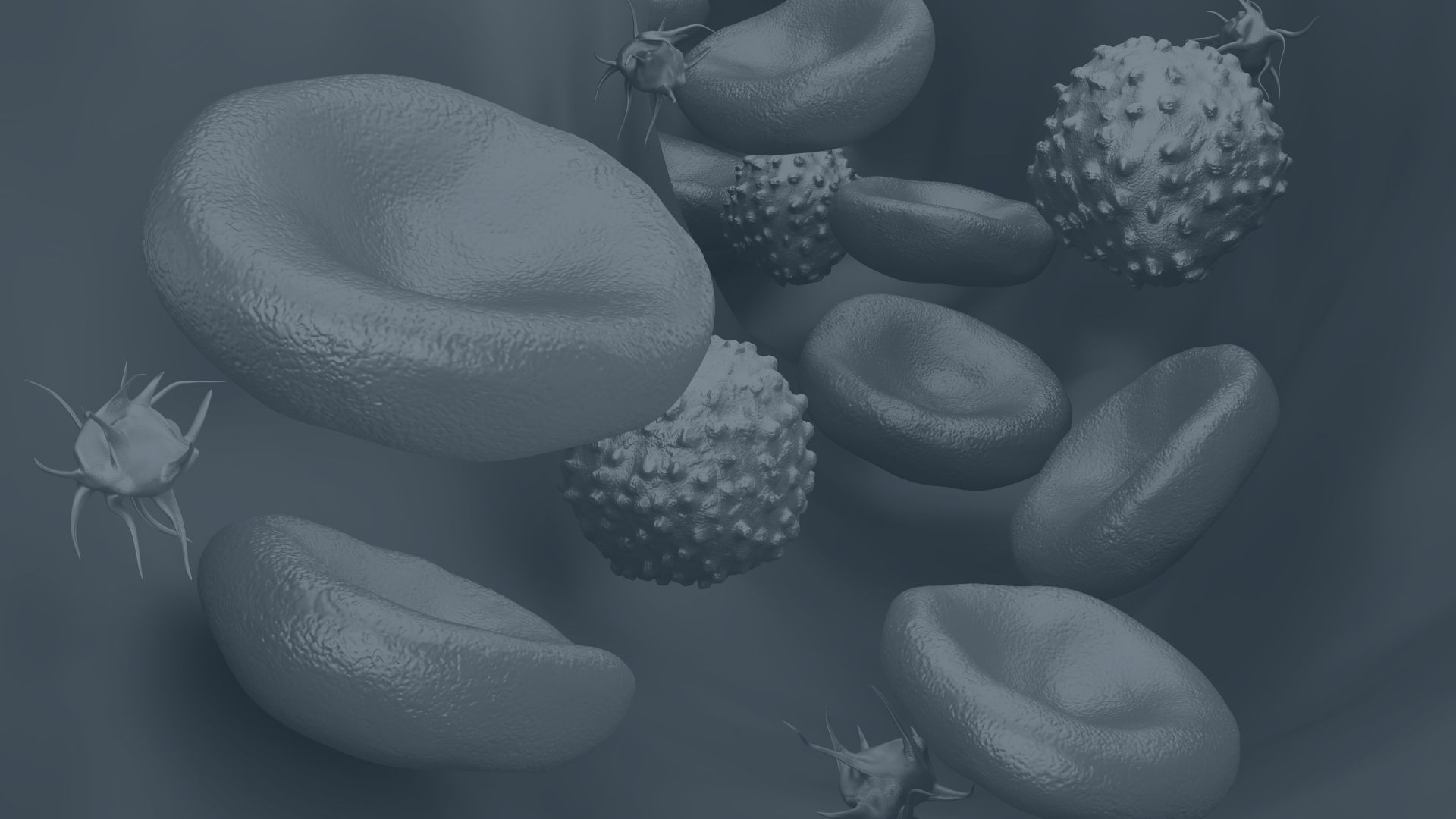
Blood Sugar & Heart Health
Explore how poor blood sugar control affects the heart, damages arteries, and raises long-term cardiovascular risk, so seldom discussed.
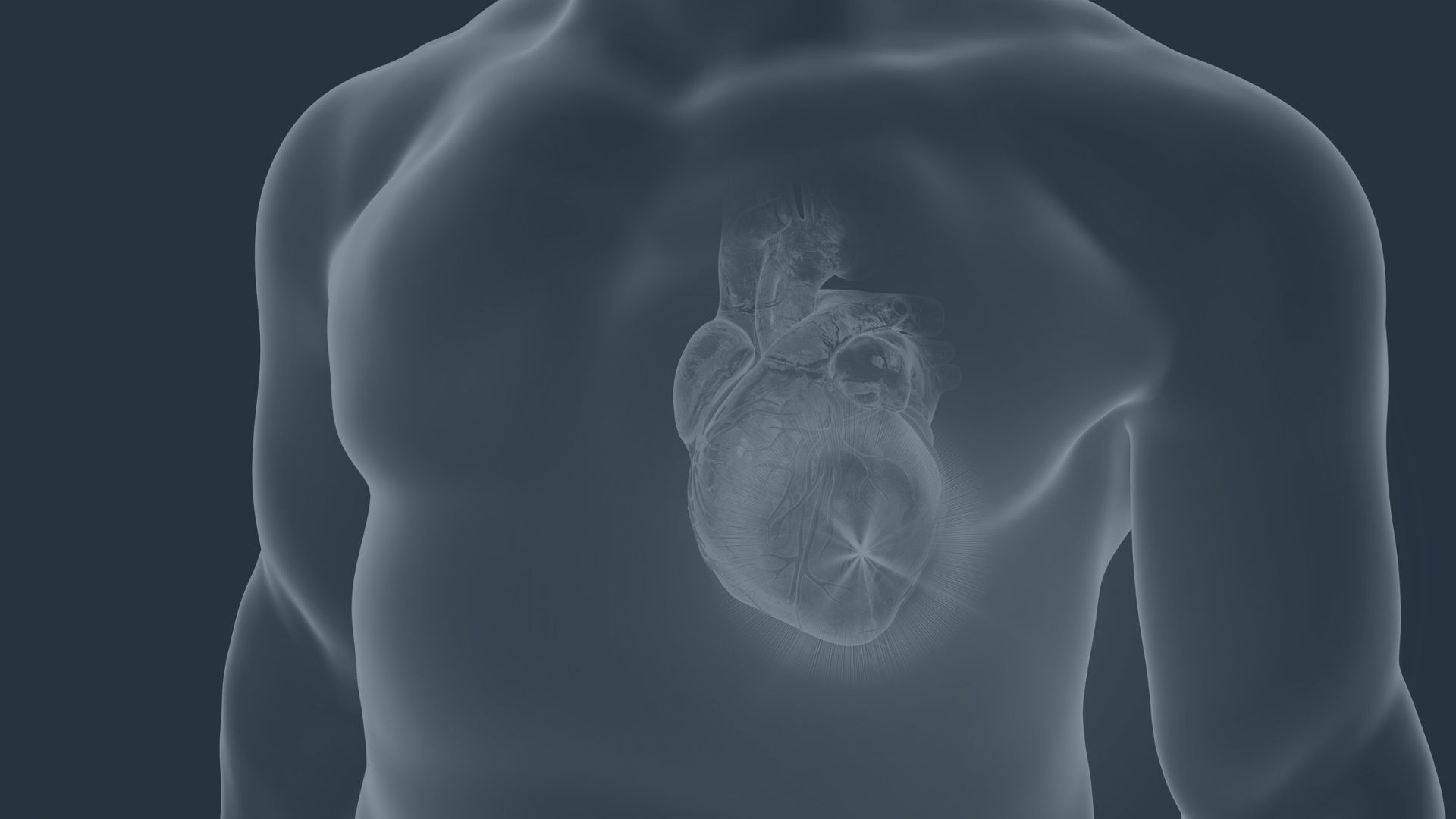
Fat, Fibre & Heart Disease Risk
Understand how dietary fats and fibre influence cholesterol balance, inflammation, and heart disease risk.

Blood Pressure & Vascular Function
Learn how blood pressure is regulated, what impairs vascular function, and how diet supports healthy circulation.
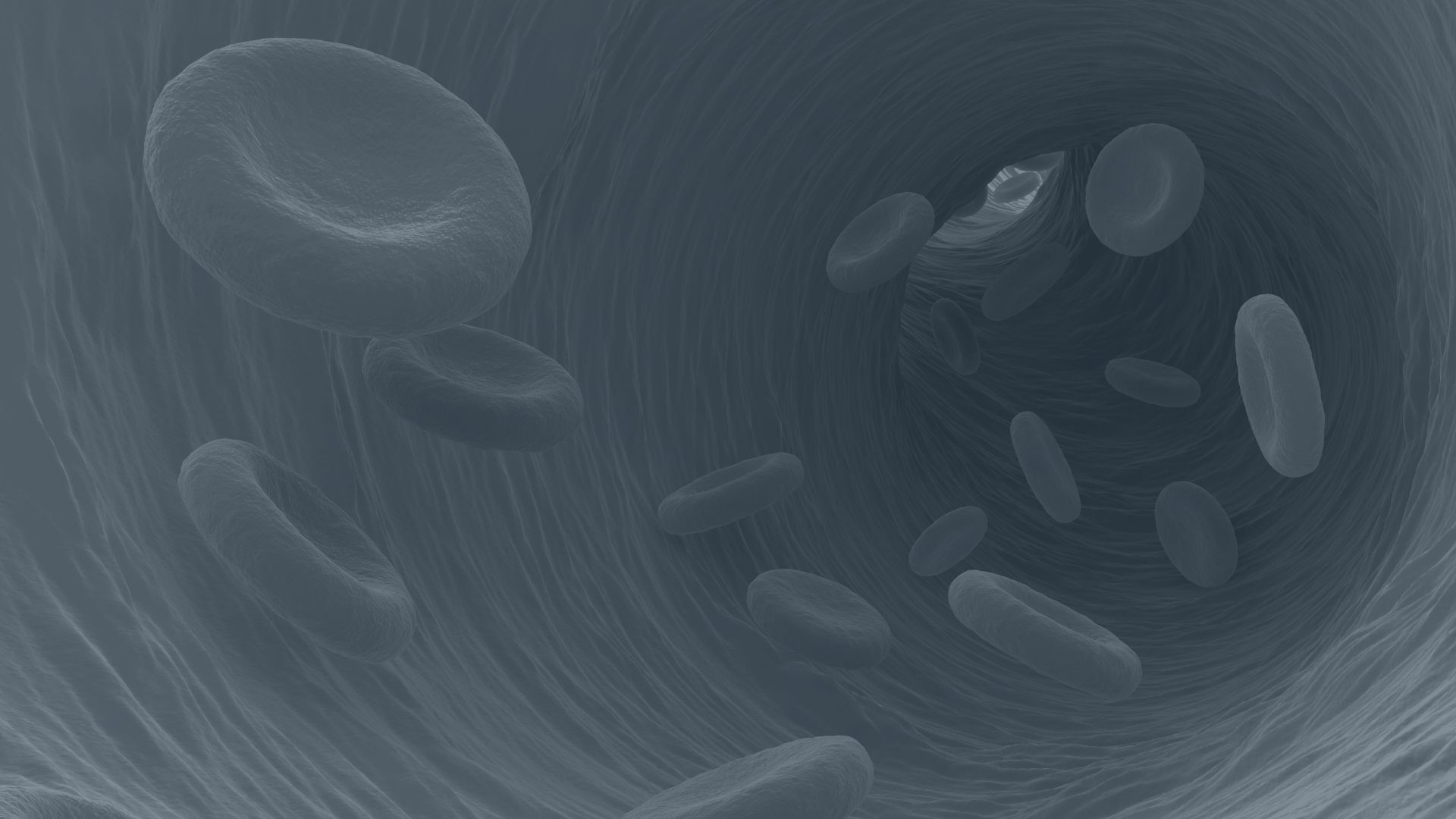
Diet & Heart Health For Life
Discover how long-term dietary patterns protect the heart, reduce risk, and support lifelong heart health.
My Top Recipes For Supporting Heart Health & Healthy Cholesterol
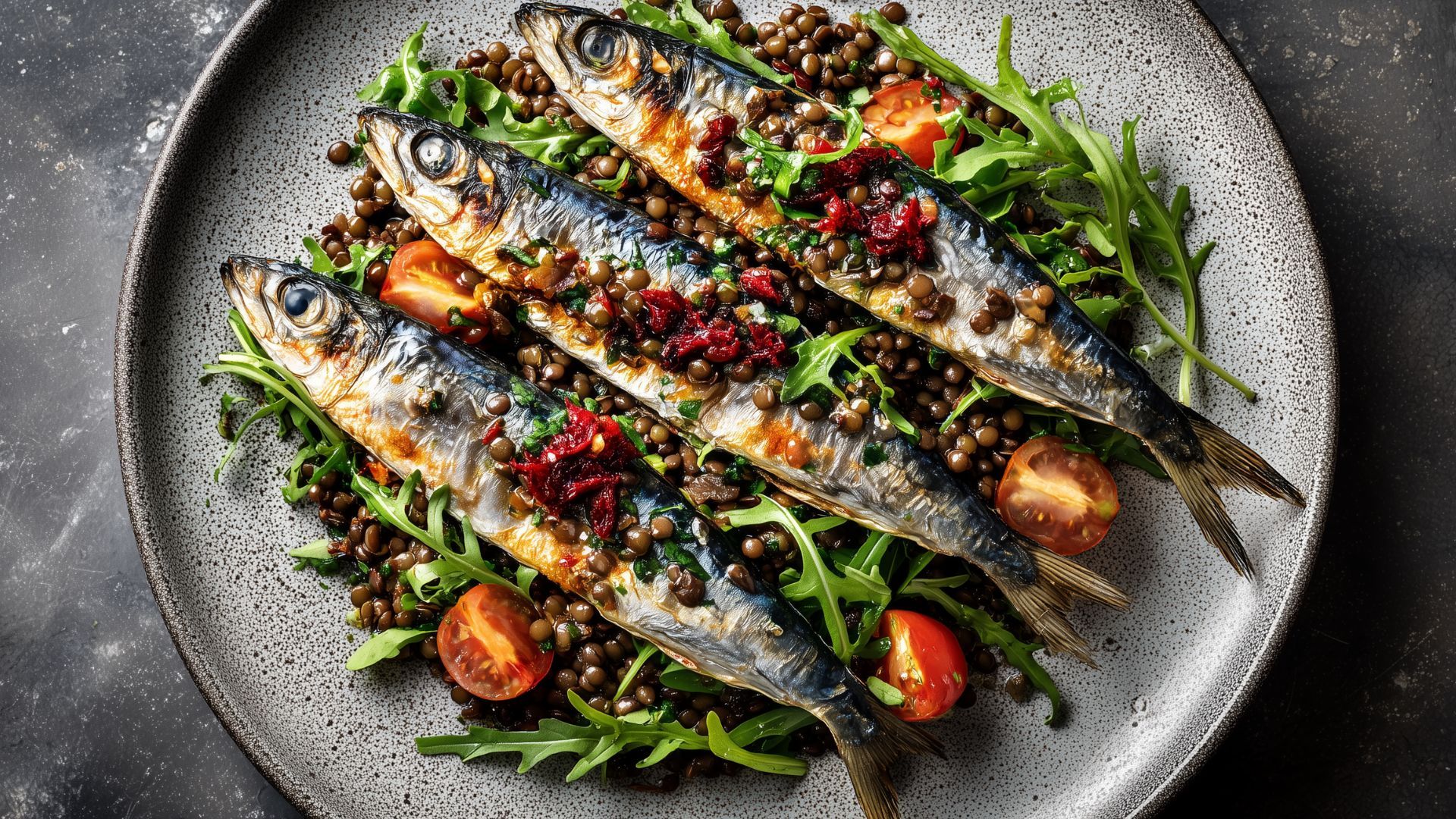
Sardines with Lentil, Rocket & Tomato Salad
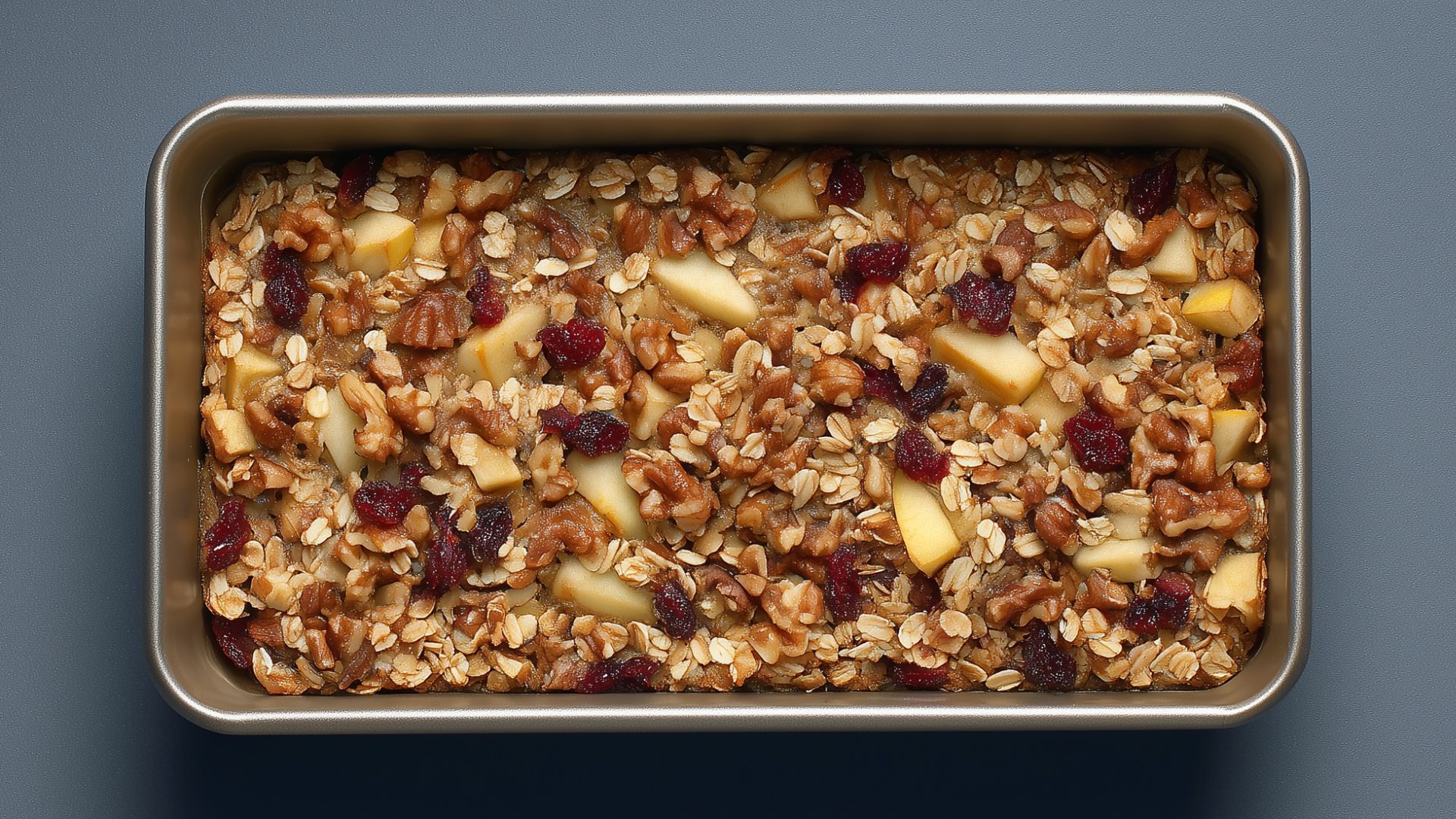
Creamy Oat, Apple & Walnut Breakfast Bake
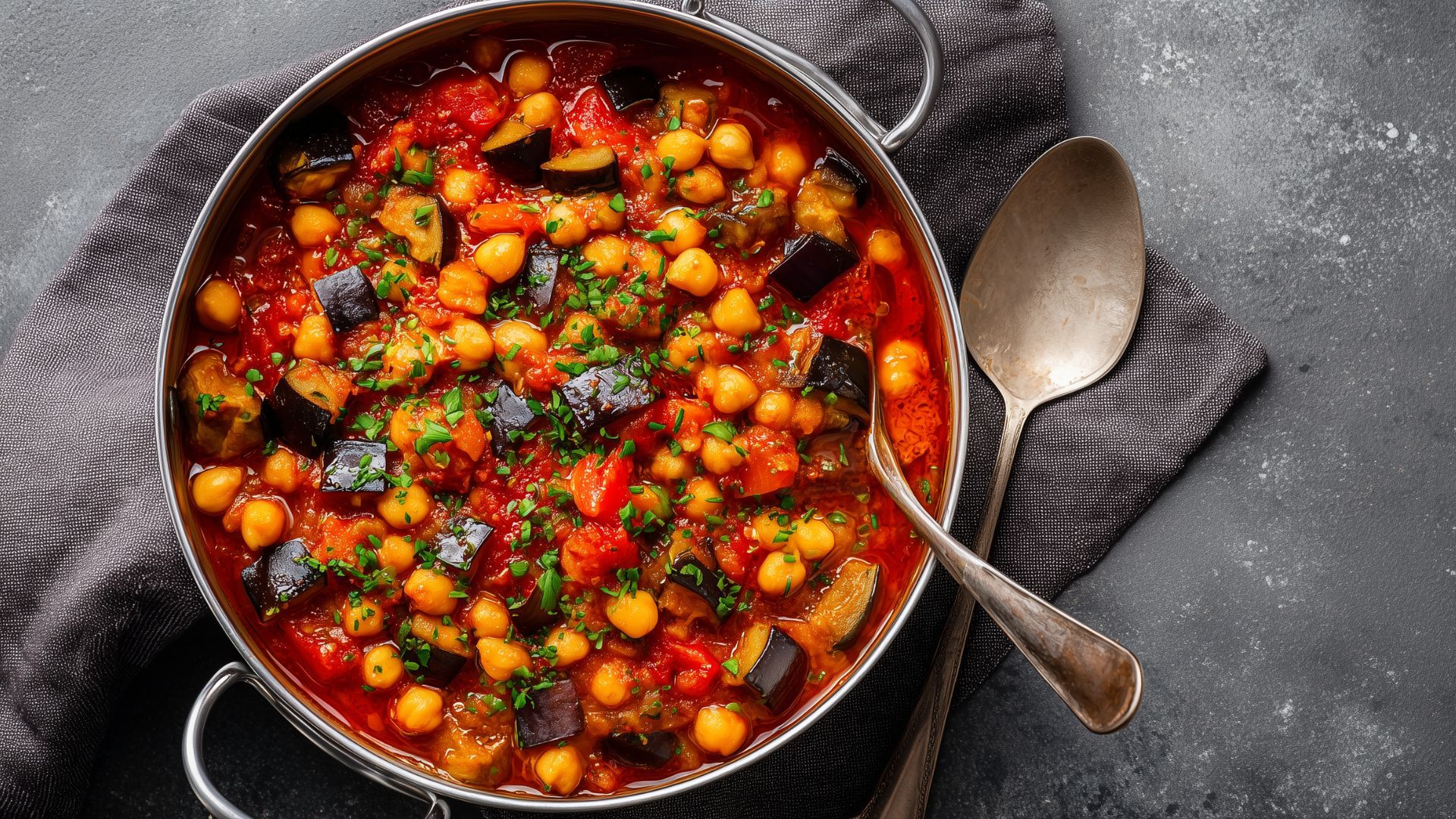
Mediterranean Chickpea & Aubergine Stew

Baked trout With Pea, Mint & Lemon Puree & Barley
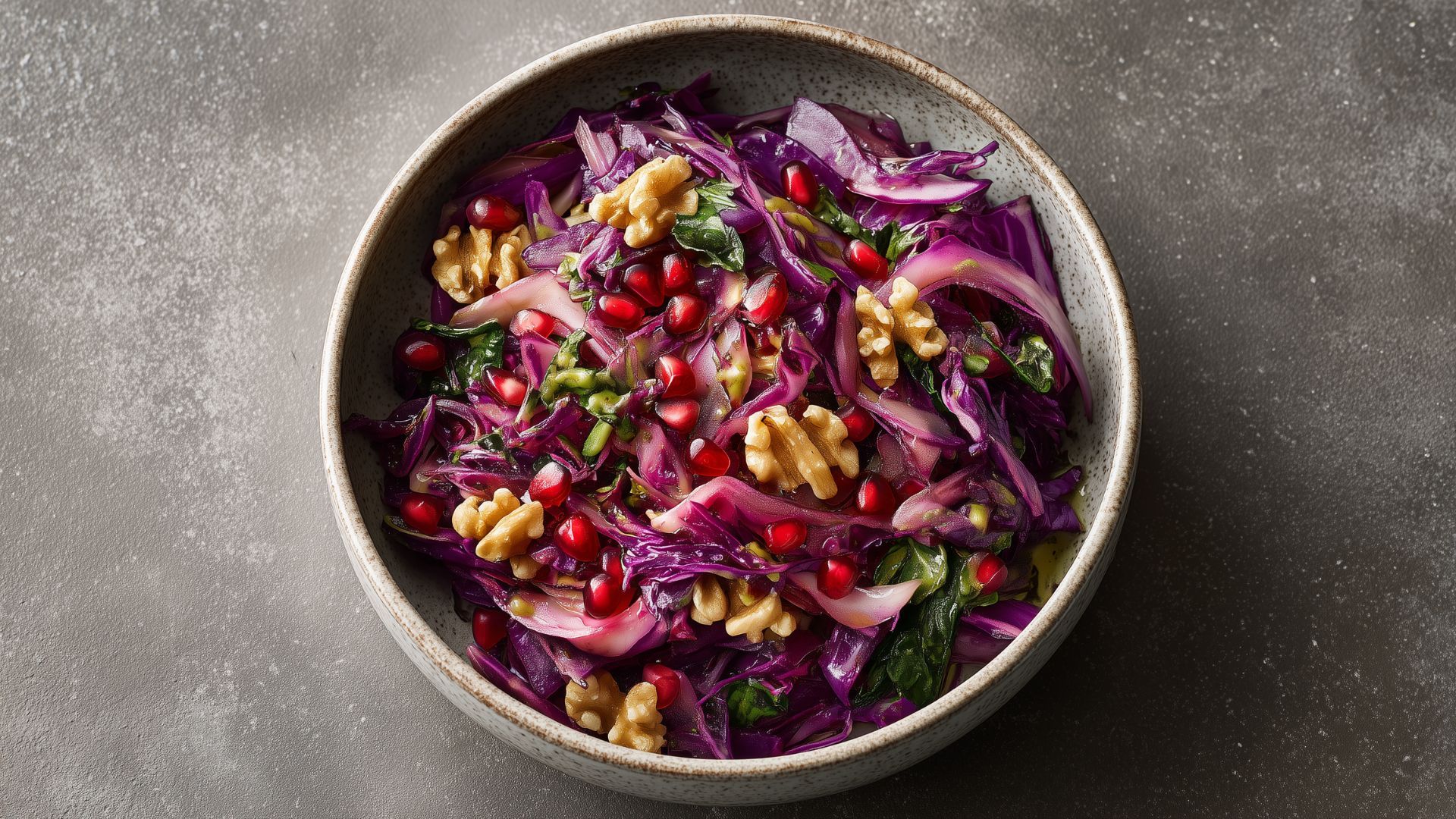
Red Cabbage, Pomegranate & Walnut Salad