
Metabolic Health
"Metabolic health is often spoken about in terms of weight alone, yet it governs far more than the number on the scales. Blood sugar regulation, insulin sensitivity, energy production, inflammation, and fat storage are all part of a tightly regulated system that influences long-term disease risk and day-to-day wellbeing. In clinical practice, it has become clear that meaningful improvement comes from understanding how this system works rather than chasing restrictive trends. The insights below explore the biology of metabolic balance and how to support it in a sustainable, evidence-based way."
Metabolic health is one of the most fundamental determinants of human health, yet it is rarely explained in a way that reflects its true importance. It is often reduced to weight, blood sugar, or a diagnosis like diabetes, when in reality metabolism underpins almost every physiological process that keeps the body alive, adaptable, and resilient.
At its simplest, metabolism is the way your body handles energy.
Every cell requires a continuous supply of energy to maintain structure, perform work, communicate, repair damage, and respond to stress. That energy ultimately comes from food, but food is only the starting point. Between eating a meal and producing usable cellular energy lies an extraordinarily complex system involving digestion, hormone signalling, enzymatic reactions, cellular transport, and mitochondrial function.
Metabolic health describes how efficiently and flexibly this entire system operates.
A metabolically healthy body can sense incoming energy accurately, decide where it is needed, store excess appropriately, and release fuel smoothly when required. It can move between fed and fasted states without distress. It can tolerate variation in food intake and activity without dramatic physiological consequences. This ability to adapt is what allows the body to remain stable in a changing environment.
This adaptability is known as metabolic flexibility, and it is one of the clearest markers of long-term health.
A metabolically flexible person can burn carbohydrate when it is abundant and fat when it is not. They can eat a meal without experiencing extreme blood sugar swings. They can go several hours without food without feeling shaky, irritable, or mentally foggy. Their metabolism responds proportionately, rather than reactively.
Modern diets and lifestyles steadily erode this flexibility.
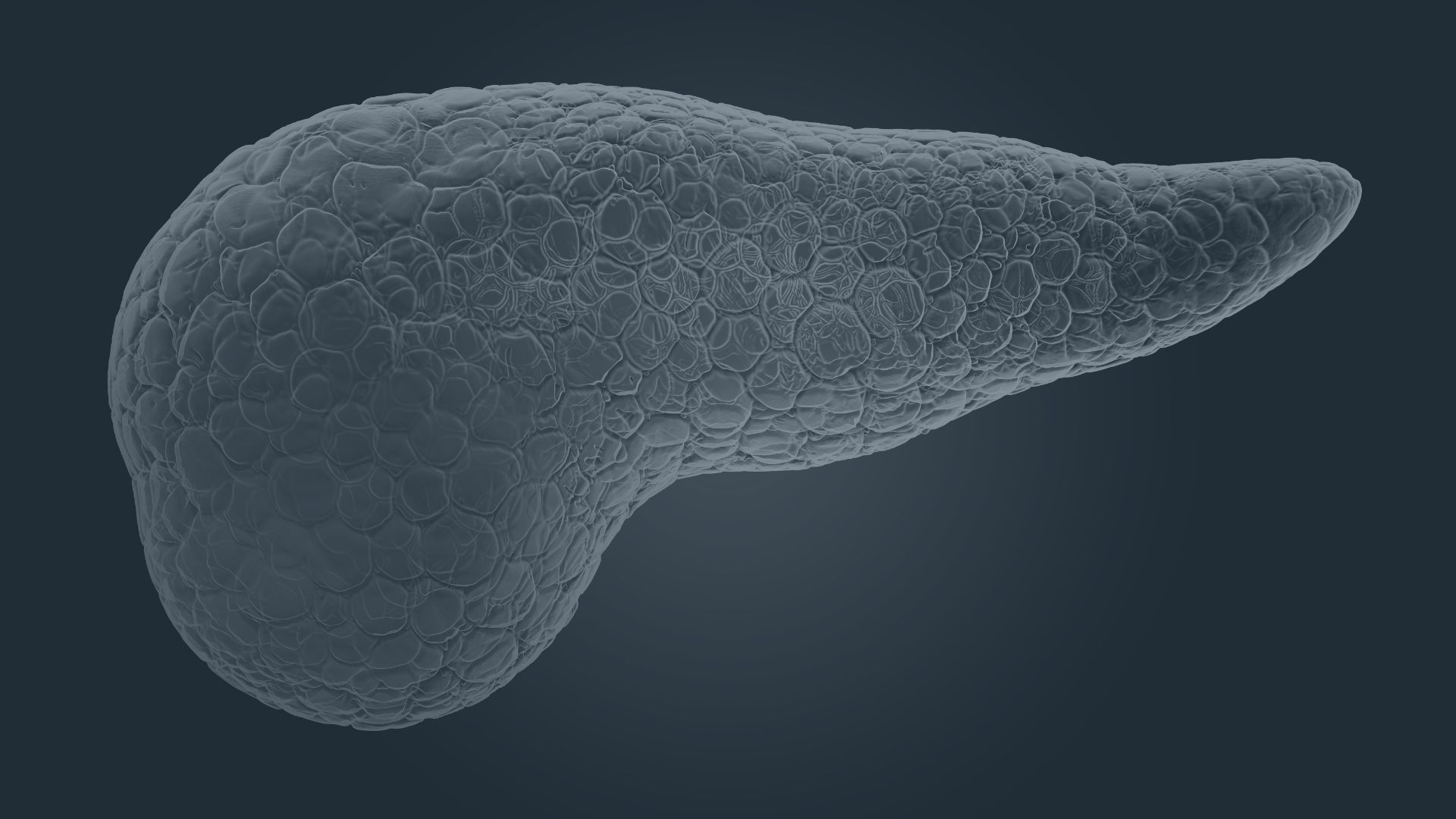
Highly refined carbohydrates are digested and absorbed extremely quickly, flooding the bloodstream with glucose. To protect tissues from glucose toxicity, the pancreas releases insulin, which moves glucose out of the blood and into cells. Insulin also suppresses fat breakdown and encourages energy storage. This is a normal, healthy response when it happens occasionally.
The problem arises when this signal is activated constantly.
Frequent snacking, sugar-rich diets, refined starches, sweetened drinks, and ultra-processed foods keep insulin elevated for large portions of the day. Over time, cells begin to down-regulate their response to insulin. They are not “broken” — they are protecting themselves from overstimulation. This state is known as insulin resistance.
Insulin resistance is not a binary condition. It develops gradually, often over many years.
In its early stages, blood sugar may remain within the normal range because the pancreas compensates by producing more insulin. This creates the illusion of metabolic health while the system is under increasing strain. Eventually, this compensation begins to fail. Blood sugar rises, fat storage increases, inflammatory signalling intensifies, and metabolic control deteriorates.
This is why metabolic dysfunction often goes unnoticed until it is advanced.
It is also why metabolic health cannot be assessed by a single marker. It is a pattern of regulation across multiple systems, including blood sugar handling, lipid metabolism, hormonal balance, inflammatory tone, and energy production.
The liver plays a central coordinating role in this process.
The liver acts as the body’s metabolic traffic controller. Between meals, it releases glucose to maintain stable blood sugar. After meals, it helps clear excess glucose from the bloodstream. It converts surplus carbohydrate into fat, packages lipids for transport, produces ketones when carbohydrate availability is low, and regulates cholesterol metabolism.
When dietary load exceeds metabolic capacity, fat begins to accumulate in liver cells. This condition, known as non-alcoholic fatty liver disease, is now one of the most common metabolic disorders worldwide. Fatty liver directly impairs insulin signalling, making blood sugar harder to control and accelerating the progression of metabolic disease.
Muscle tissue provides a powerful counterbalance to this process.
Skeletal muscle is one of the largest glucose-disposal sites in the body. Unlike fat tissue, muscle can absorb glucose independently of insulin during and after physical activity. This makes muscle mass a major determinant of insulin sensitivity. The more muscle tissue a person has, the greater their metabolic buffer.
As muscle mass declines with age, inactivity, or inadequate protein intake, this buffer shrinks. The same amount of carbohydrate now places a greater demand on insulin, increasing metabolic strain. This is one reason metabolic health often deteriorates with age even when calorie intake has not changed.
Inflammation is deeply woven into metabolic dysfunction.
Excess visceral fat releases inflammatory cytokines that interfere with insulin signalling. Chronically elevated blood glucose promotes oxidative stress and cellular damage. Fat accumulation in organs triggers immune responses that further impair metabolic regulation. Over time, this creates a self-reinforcing cycle in which inflammation and insulin resistance drive one another.
This inflammatory background has far-reaching consequences.
It damages blood vessels, increasing cardiovascular risk. It alters hormone signalling, contributing to conditions such as polycystic ovary syndrome and menopausal metabolic change. It affects brain function, increasing the risk of depression and cognitive decline. It accelerates biological ageing by impairing cellular repair mechanisms.
The gut also plays a surprisingly important role in metabolic health.
Gut microbes influence how much energy is extracted from food, how appetite hormones are regulated, and how inflammation is controlled. They ferment dietary fibre into short-chain fatty acids that improve insulin sensitivity and support metabolic signalling. Diets low in fibre and high in ultra-processed foods disrupt this microbial ecosystem, reducing its protective effects.
Nutrition influences metabolism not through isolated foods, but through dietary patterns.
Fibre slows digestion and glucose absorption, reducing insulin demand. Protein preserves muscle mass, stabilises blood sugar, and supports satiety. Fat quality influences inflammatory signalling and cellular membrane function. Micronutrients act as cofactors in the enzymatic reactions that produce energy at the mitochondrial level.
Just as important as what nutrition provides is what it removes.
Reducing constant insulin stimulation, lowering inflammatory dietary load, and allowing periods of metabolic rest can restore insulin sensitivity over time. This is not about deprivation. It is about restoring physiological rhythm.
Sleep, stress, and circadian timing interact powerfully with metabolism.
Sleep deprivation increases insulin resistance within days. Chronic stress elevates cortisol, which raises blood glucose and promotes fat storage. Disrupted circadian rhythms impair metabolic signalling across the liver, muscle, and pancreas. These factors can undermine metabolic health even in the context of a reasonable diet.
True metabolic health is not about perfection.
It is about resilience. The ability to eat flexibly, move regularly, rest properly, and recover from stress without the system tipping into dysfunction. When metabolic health is restored, energy becomes steadier, hunger cues normalise, weight regulation becomes less combative, and long-term disease risk declines.
This is why metabolic health sits at the foundation of healthy ageing.
It influences not only how long we live, but how well we live. Strength, mobility, cognitive function, cardiovascular health, immune resilience, and inflammatory balance all depend on metabolic integrity.
This page is designed to give you the full framework. The deeper sections linked below explore individual aspects in greater detail, but they all connect back to this central system.
When metabolism is supported properly, the body regains its capacity to adapt — and that adaptability is the true marker of health.
Five Simple Steps to Better Metabolic Health
Improving metabolic health does not require extreme diets, constant tracking, or perfect behaviour. It requires creating the right physiological conditions, consistently enough, for the body to regain normal regulation. These five steps work because they address the core drivers of metabolic dysfunction, not just the symptoms.
1. Stabilise Blood Sugar Before Anything Else
If blood sugar is unstable, everything downstream becomes harder.
Frequent spikes and crashes in blood glucose place constant demand on insulin, increase inflammatory signalling, disrupt appetite regulation, and impair energy levels. Over time, this erodes insulin sensitivity and metabolic flexibility.
Stabilising blood sugar means slowing the rate at which glucose enters the bloodstream and reducing how often insulin needs to be elevated. This is achieved primarily through food composition and meal structure rather than restriction.
Meals that combine protein, fibre-rich plants, and appropriate fats digest more slowly and lead to gentler rises in blood glucose. Highly refined carbohydrates, sugars, and liquid calories do the opposite, delivering glucose rapidly and overwhelming regulatory systems.
Blood sugar stability is not about eliminating carbohydrates. It is about choosing carbohydrates that arrive slowly, in the context of meals that the body can manage calmly. When blood sugar stabilises, energy becomes steadier, hunger cues become more reliable, and insulin sensitivity begins to improve almost automatically.
This is the single most powerful lever for metabolic health.
2. Protect and Preserve Muscle Mass
Muscle is one of the most important, and most underestimated, metabolic organs in the body.
Skeletal muscle is a major site of glucose disposal, meaning it helps remove glucose from the bloodstream with far less reliance on insulin. The more muscle tissue you have, the greater your metabolic buffer against blood sugar spikes and insulin resistance.
Loss of muscle mass, which accelerates with age, inactivity, and inadequate protein intake, significantly reduces metabolic capacity. This means the same diet that was once tolerated now places greater strain on blood sugar regulation.
Preserving muscle requires two things: adequate protein intake and regular mechanical load.
Protein provides the building blocks for muscle maintenance and repair, while resistance-based movement tells the body that muscle tissue is still needed. Without this signal, the body gradually sheds muscle as metabolically expensive tissue.
Supporting muscle is not about aesthetics. It is about maintaining insulin sensitivity, metabolic flexibility, strength, and independence over the long term.
3. Reduce Chronic Metabolic Pressure
Metabolic dysfunction rarely comes from one large insult. It develops through constant low-grade pressure that never allows the system to reset.
This pressure comes from frequent eating without breaks, chronically high insulin levels, ultra-processed foods that deliver energy without nutrients, poor sleep, and persistent psychological stress.
Reducing metabolic pressure means allowing the body periods of relative calm.
This might involve spacing meals so insulin has time to return to baseline, reducing unnecessary snacking, prioritising sleep, and lowering dietary inflammatory load. It does not require extreme fasting or rigid rules. It requires rhythm.
When insulin is allowed to fall between meals, fat-burning pathways can re-engage. When stress hormones are lower, blood sugar regulation improves. When sleep is adequate, insulin sensitivity increases.
Metabolism recovers not through force, but through relief.
4. Support the Liver and Gut as Metabolic Regulators
Metabolic health is not controlled by blood sugar alone. It is coordinated through the liver and the gut, both of which are highly sensitive to diet quality.
The liver regulates blood glucose between meals, processes fats, and determines whether energy is stored or released. When it becomes overloaded, often through excess sugar, refined carbohydrates, and alcohol, insulin resistance worsens rapidly.
Supporting the liver means reducing excess incoming load while providing the nutrients required for normal metabolic processing. Adequate protein, fibre, micronutrients, and antioxidant-rich foods all contribute to this.
The gut, meanwhile, influences metabolic health through microbial activity, inflammatory regulation, and hormone signalling. Fibre-rich diets support microbes that improve insulin sensitivity and reduce inflammation. Ultra-processed diets do the opposite.
When the liver and gut are supported together, metabolic regulation becomes far easier upstream, rather than constantly being corrected downstream.
5. Build Consistency, Not Perfection
Metabolic health is not built through flawless days. It is built through predictable patterns that the body can trust.
The human body is highly adaptable, but it responds poorly to constant unpredictability. Irregular eating, erratic sleep, extreme dietary swings, and cycles of restriction and indulgence all undermine metabolic stability.
Consistency does not mean rigidity.
It means broadly similar meal structures, regular movement, reliable sleep patterns, and dietary choices that support rather than stress physiology most of the time. When these conditions are met, the body often self-corrects without constant intervention.
This is why metabolic improvements can occur surprisingly quickly once the right environment is created. Insulin sensitivity improves. Energy becomes steadier. Appetite regulation normalises. Inflammatory load decreases.
The system remembers how to work — when it’s given the chance.
Let's Dive Deeper!
Learn More About:
Blood Sugar & Insulin Function
Understand how your body controls blood sugar, why insulin matters, and what really keeps energy levels steady day to day.
Fat Burning & Metabolic Flexibility
How the body switches between carbs and fat for fuel, why that ability matters, and how it’s supported through diet and lifestyle.

Muscle, Metabolism & Ageing Well
Learn why muscle is central to metabolic health, how it affects blood sugar and energy use, and why it matters as we get older.

Inflammation & Metabolic Health
Understand how low-grade inflammation disrupts metabolism, and why metabolic stress and inflammation often go hand in hand.

Sleep, Stress & Metabolic Balance
Learn how sleep quality and stress hormones affect blood sugar, appetite and fat storage, and why rhythm matters.

Body Fat, Hormones & Energy Regulation
Understanding body fat as an active organ, how it communicates with hormones, and its role in metabolic health.
My Top Recipes For Supporting Metabolic Health

Harissa Spiced Chicken, Roasted Cauliflower & Tahini

Warming Black Bean & Avocado Bowl With Lime & Coriander

Baked Cod With Rich Olive Tapenade & Steamed Greens

Turkey & Courgette Stuffed peppers With Tmato & Oregano

Low Carb Chilli & Lime King Prawn Lettuce Wraps

Warm Cinnamon Spiced Apple & Chia Protein Pots
Stop Managing Symptoms. Start Rebuilding Your Metabolism.
If any of this resonates, it’s time to move beyond information and into structured metabolic repair.
FIND OUT MORE ABOUT THIS