
Joints & Mobility
"Mobility is something most of us take for granted until stiffness, pain, or instability begin to limit daily life. Joint health is rarely just about cartilage alone — it reflects muscle strength, connective tissue integrity, inflammation, and metabolic health working together. In clinical practice, I have seen how powerful it can be when people understand what is actually driving joint discomfort rather than assuming it is simply “wear and tear.” The insights below explore the biology of movement and how to support long-term joint resilience through evidence-based nutrition and lifestyle strategy."
Joint pain, stiffness, and loss of mobility are often described as inevitable consequences of ageing. “Wear and tear” is the phrase most commonly used, as though joints are mechanical parts that simply grind down over time. But this framing is deeply misleading.
Joints are not passive structures. They are living, adaptive systems that respond continuously to movement, nutrition, inflammation, metabolism, and hormonal signals. Loss of mobility is not simply the passage of time. It is the result of biological processes that have shifted out of balance.
Understanding joint health begins with understanding what joints actually are.
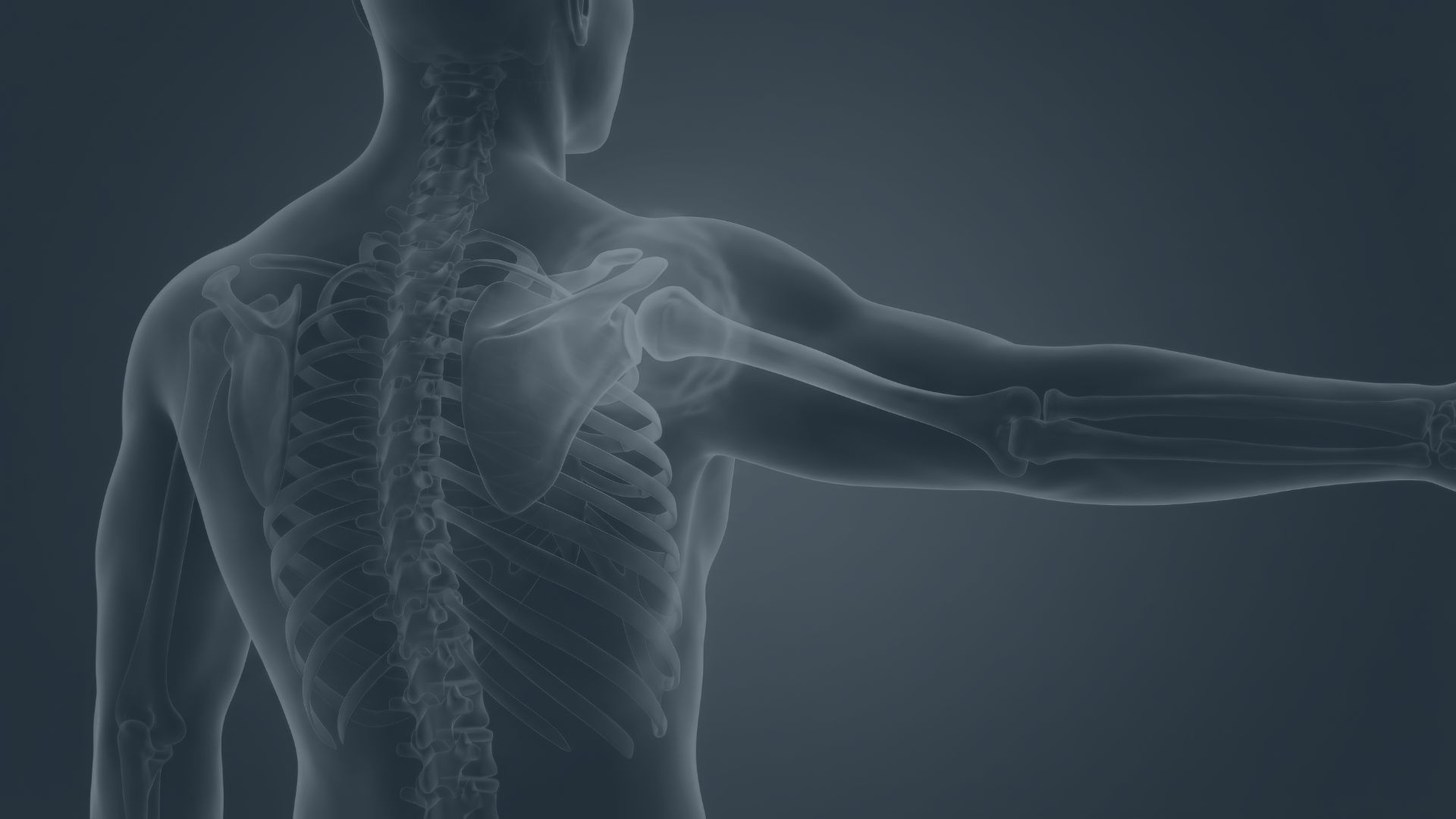
A joint is a complex interface between bones, cartilage, connective tissue, muscle, nerves, blood supply, and immune cells. Cartilage provides a smooth, resilient surface that allows bones to move freely. Synovial fluid lubricates the joint and delivers nutrients. Ligaments and tendons stabilise movement while allowing flexibility. Surrounding muscles absorb load and protect joint structures.
None of these tissues are inert.
Cartilage, for example, has no direct blood supply. It relies on movement to receive nutrients and remove waste products. Joint compression and release during normal movement act like a pump, drawing nutrients in and pushing metabolic waste out. When movement is reduced, cartilage health suffers.
This is why immobility accelerates joint degeneration rather than preventing it.
Inflammation plays a central role in joint health.
In a healthy joint, inflammatory responses are tightly regulated and resolve quickly after injury or stress. In chronic joint conditions, this resolution fails. Low-grade inflammation persists within joint tissues, accelerating cartilage breakdown, sensitising pain pathways, and impairing repair mechanisms.
Osteoarthritis, the most common joint condition, is not simply a disease of mechanical wear. It is an inflammatory, metabolic condition influenced by blood sugar regulation, body fat distribution, gut health, and immune signalling. This explains why osteoarthritis often affects joints unevenly and why weight alone does not fully explain joint pain.
Metabolic health strongly influences joint resilience.
Excess visceral fat releases inflammatory cytokines that circulate throughout the body, including into joint spaces. Blood sugar instability increases oxidative stress, which damages cartilage and connective tissue. Insulin resistance interferes with normal tissue repair. These processes link joint degeneration directly to metabolic dysfunction.
This is why joint pain so often coexists with conditions such as type 2 diabetes, fatty liver disease, and cardiovascular disease. They are different expressions of shared upstream biology.
Bone health is inseparable from joint health.
Bones are living tissue, constantly remodelled through a balance of breakdown and formation. This process is influenced by mechanical load, hormones, and nutrient availability. When bone density declines, joint mechanics change. Load distribution shifts, increasing stress on cartilage and connective tissue.
Hormonal changes, particularly the decline in oestrogen after menopause, accelerate both bone loss and joint inflammation. This helps explain the sharp rise in joint pain and mobility issues in post-menopausal women.
Muscle plays a protective role that is often underestimated.
Strong, well-conditioned muscles stabilise joints, absorb shock, and reduce mechanical stress on cartilage. Loss of muscle mass, which accelerates with age and inactivity, increases joint load and vulnerability. This is why preserving muscle is one of the most effective strategies for maintaining mobility over time.
Pain itself reshapes movement patterns.
When joints hurt, people instinctively move less or move differently. This reduces nutrient flow to cartilage, weakens muscles, and increases stiffness, creating a self-reinforcing cycle of pain and reduced mobility. Over time, the nervous system can become sensitised, amplifying pain signals even in the absence of significant structural damage.
Nutrition influences joint health at multiple levels.
Protein provides the building blocks for connective tissue repair and muscle maintenance. Omega-3 fats help regulate inflammatory signalling within joints. Micronutrients such as vitamin C, zinc, copper, and magnesium support collagen synthesis, antioxidant defence, and neuromuscular function.
Fibre-rich diets support gut health and immune regulation, reducing systemic inflammation that would otherwise target joint tissues. Diets dominated by ultra-processed foods do the opposite, increasing inflammatory load and impairing tissue repair.
Importantly, joint health is not just about avoiding pain.
Mobility is one of the strongest predictors of long-term health, independence, and quality of life. Loss of mobility increases the risk of falls, fractures, metabolic decline, cardiovascular disease, and cognitive impairment. Movement is not optional for healthy ageing — it is foundational.
Ageing itself does not cause joint failure.
What ages joints is cumulative inflammatory load, metabolic stress, loss of muscle, reduced movement, and inadequate nutritional support. These factors are strongly modifiable, even later in life.
The purpose of this page is to give you the full framework for understanding how joints and mobility are maintained, why degeneration occurs, and how nutrition and lifestyle influence long-term movement capacity. The deeper sections linked below explore specific joint conditions, tissue types, and strategies in more detail.
But everything begins here.
When joints are supported as living systems rather than mechanical parts, mobility becomes something that can be protected, preserved, and often meaningfully improved — well into later life.
Five Simple Steps For Better Joint Health
Healthy joints are not preserved by avoidance, fear of movement, or passive treatments alone. They are preserved by creating the biological conditions that allow joint tissues to stay nourished, resilient, and well regulated. These five steps address the most common reasons joints deteriorate in modern life.
1. Reduce Chronic Inflammation at Its Source
Persistent, low-grade inflammation is one of the strongest predictors of joint pain and degeneration.
Inflammation within joint tissues accelerates cartilage breakdown, sensitises pain pathways, and interferes with repair mechanisms. Over time, this creates stiffness, swelling, and discomfort that can persist even in the absence of major structural damage.
Diet strongly influences this inflammatory background.
Unstable blood sugar, ultra-processed foods, poor fat balance, and low fibre intake all promote inflammatory signalling that reaches joint tissues. By contrast, diets rich in whole foods, omega-3 fats, fibre, and polyphenols help regulate inflammation and support its resolution.
Reducing inflammation does not eliminate pain overnight, but it creates the conditions in which joints can begin to recover rather than continually deteriorate.
2. Preserve and Build Muscle to Protect the Joints
Muscle is one of the most important protectors of joint health.
Strong muscles stabilise joints, absorb mechanical load, and reduce stress on cartilage and connective tissue. When muscle mass declines, joints are forced to absorb greater forces directly, increasing wear, irritation, and pain.
Ageing, inactivity, and inadequate protein intake all accelerate muscle loss. This process is gradual and often unnoticed until joint symptoms appear.
Preserving muscle requires two things: adequate protein to support tissue maintenance, and regular mechanical load to signal that muscle is still needed. Resistance-based movement does not damage joints when performed appropriately. In fact, it is one of the most effective ways to reduce joint pain over time by improving joint stability and load distribution.
3. Support Cartilage and Connective Tissue Repair
Cartilage and connective tissues are living structures with ongoing turnover and repair demands.
These tissues rely on a steady supply of amino acids, micronutrients, and antioxidant support to maintain integrity. Protein provides the raw materials for collagen synthesis. Vitamin C supports collagen formation and tissue repair. Minerals such as zinc, copper, and magnesium support enzymatic processes involved in connective tissue health.
When nutritional support is inadequate, repair lags behind breakdown, particularly in the presence of inflammation or metabolic stress.
Supporting joint health therefore involves ensuring sufficient overall nutrient intake, not relying on isolated supplements alone. Repair is a whole-system process.
4. Restore Movement to Nourish the Joints
Joints depend on movement for nutrition.
Cartilage has no direct blood supply. It receives nutrients through the movement of synovial fluid during joint compression and release. When movement is reduced, nutrient delivery slows and waste products accumulate, accelerating degeneration.
Pain often leads people to move less, but this strategy backfires over time.
Restoring gentle, regular movement helps lubricate joints, improve tissue nutrition, and retrain pain pathways. This does not mean pushing through severe pain or engaging in high-impact exercise. It means finding forms of movement that joints can tolerate and gradually adapt to.
Consistent movement is one of the most effective tools for preserving joint function across the lifespan.
5. Support Metabolic Health to Protect Joint Tissues
Joint health cannot be separated from metabolic health.
Insulin resistance, excess visceral fat, and poor blood sugar control all increase systemic inflammation and oxidative stress, which directly affect joint tissues. These factors accelerate cartilage breakdown and impair repair processes.
Improving metabolic health through diet quality, blood sugar stability, adequate sleep, and regular movement reduces inflammatory pressure on joints at a systemic level.
This is why improvements in diet often lead to reductions in joint pain even when joints themselves are not directly targeted.
Better joint health is not achieved by avoiding movement or waiting for damage to occur. It is built by supporting the biological systems that keep joints resilient, nourished, and well regulated.
These five steps work because they address inflammation, muscle support, tissue repair, movement, and metabolic balance together. Applied consistently, they help preserve mobility, reduce pain, and protect independence over the long term.
Everything else builds from here.
Let's Dive Deeper!
Learn More About:
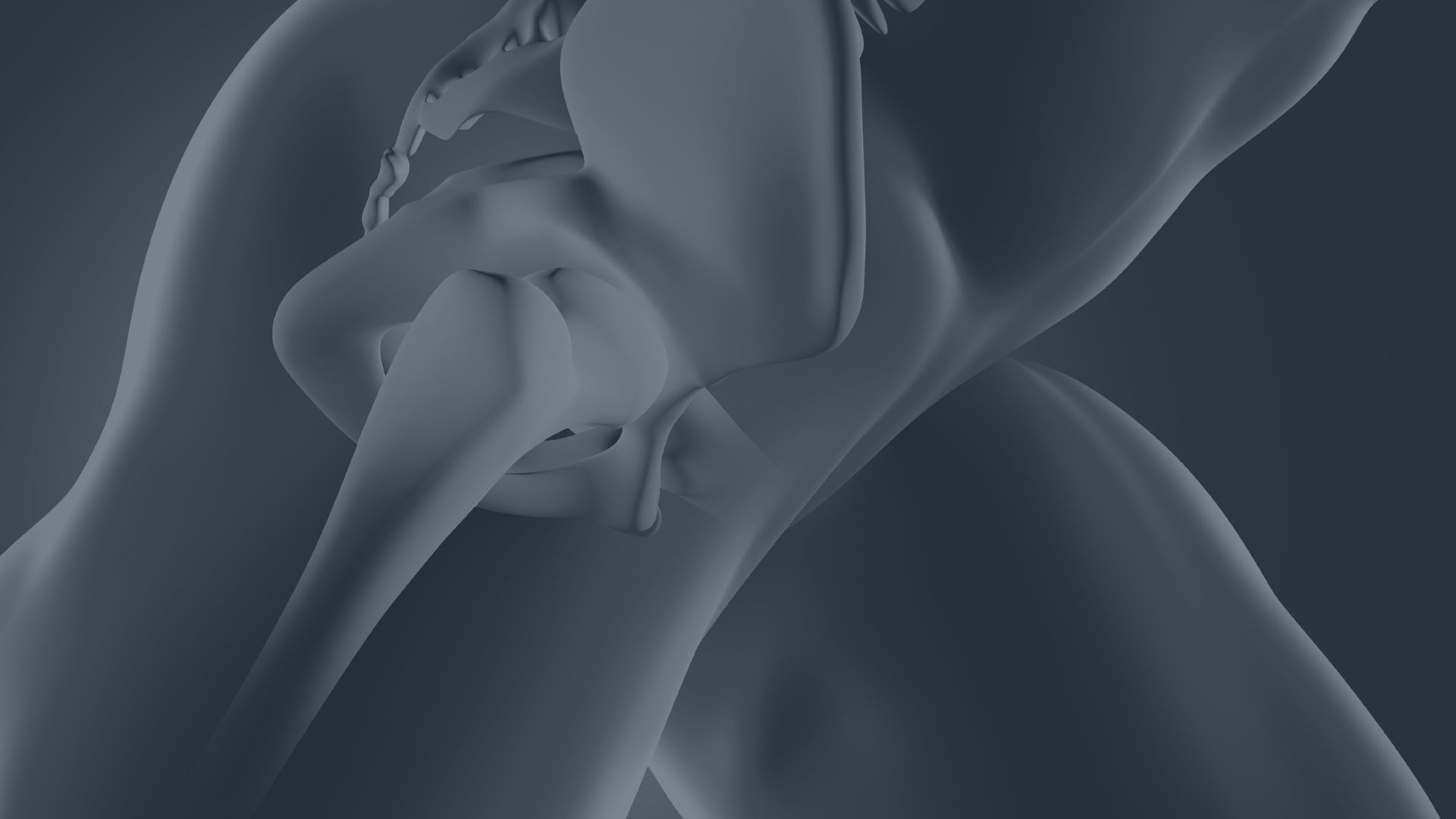
Cartilage, Synovial Fluid & Joint Biology
Understand how joints are structured, how cartilage is nourished, and what keeps movement smooth, stable, and pain free over time.
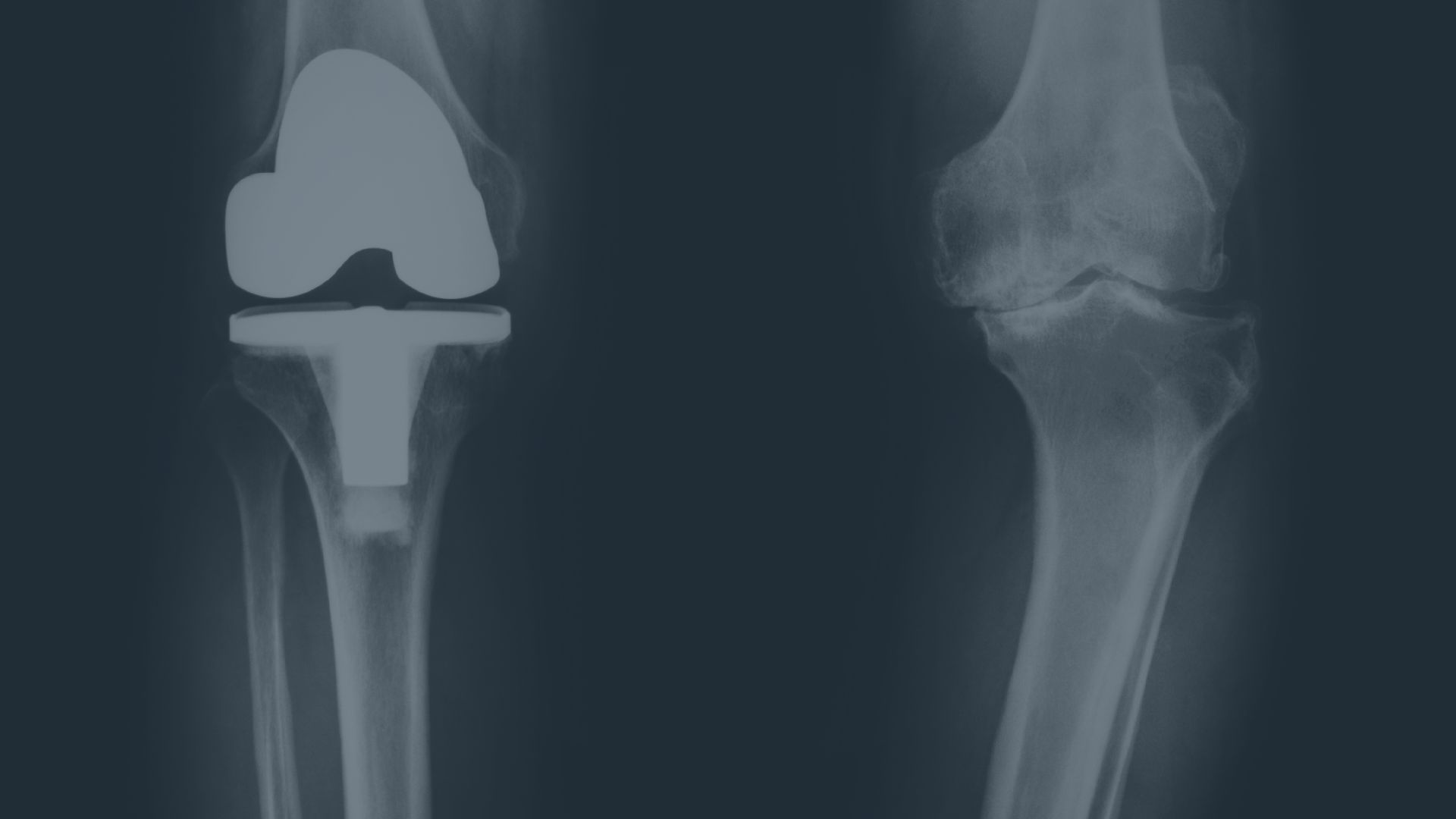
Osteoarthritis: Degeneration, & Repair
Learn what truly drives joint degeneration, how inflammation accelerates damage, and how nutrition influences long-term repair and resilience.
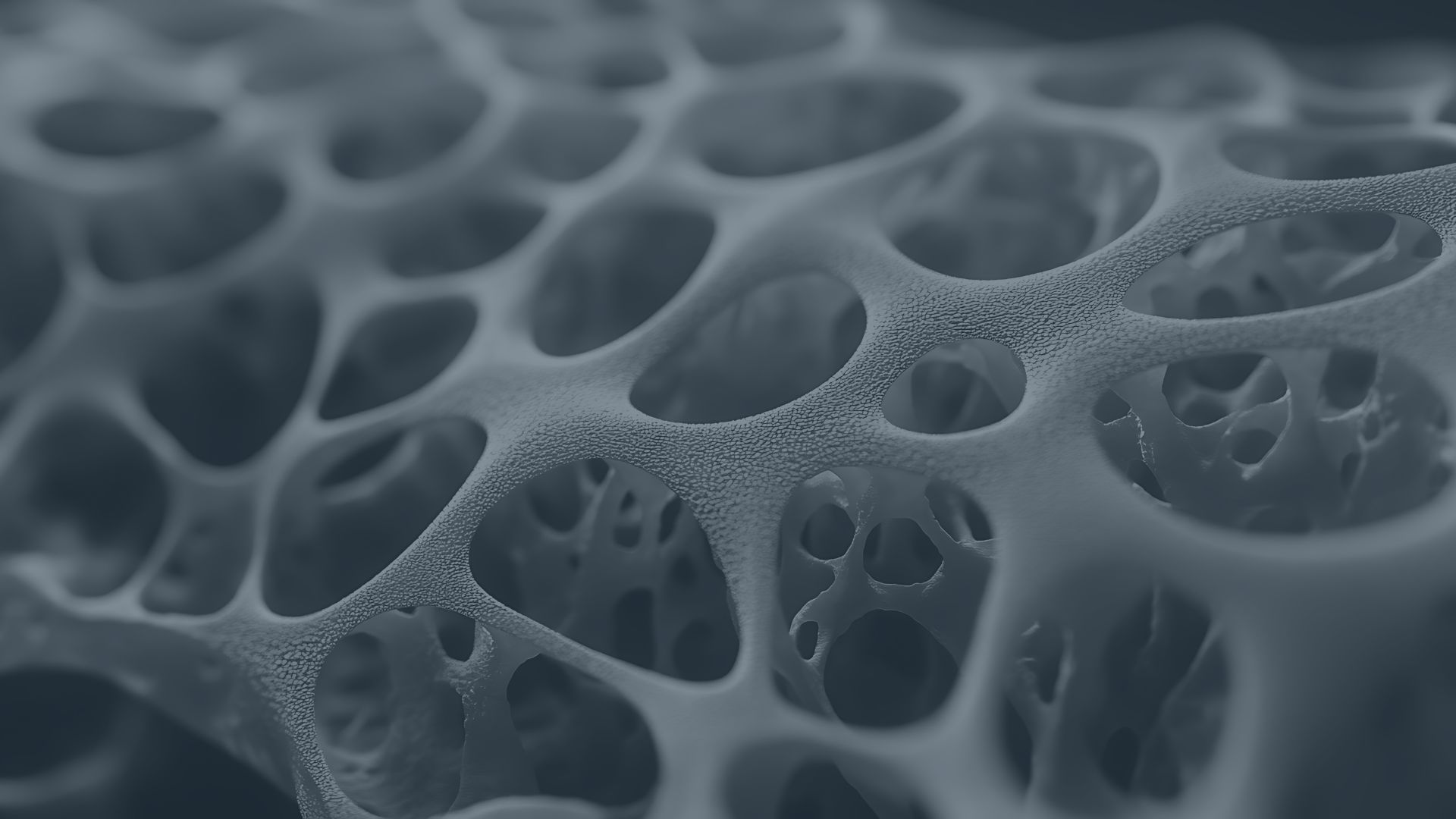
Bone Density, Osteoporosis & Skeletal Strength
Explore how bone is constantly remodelled, what weakens skeletal integrity, and how diet supports lifelong strength and fracture prevention.
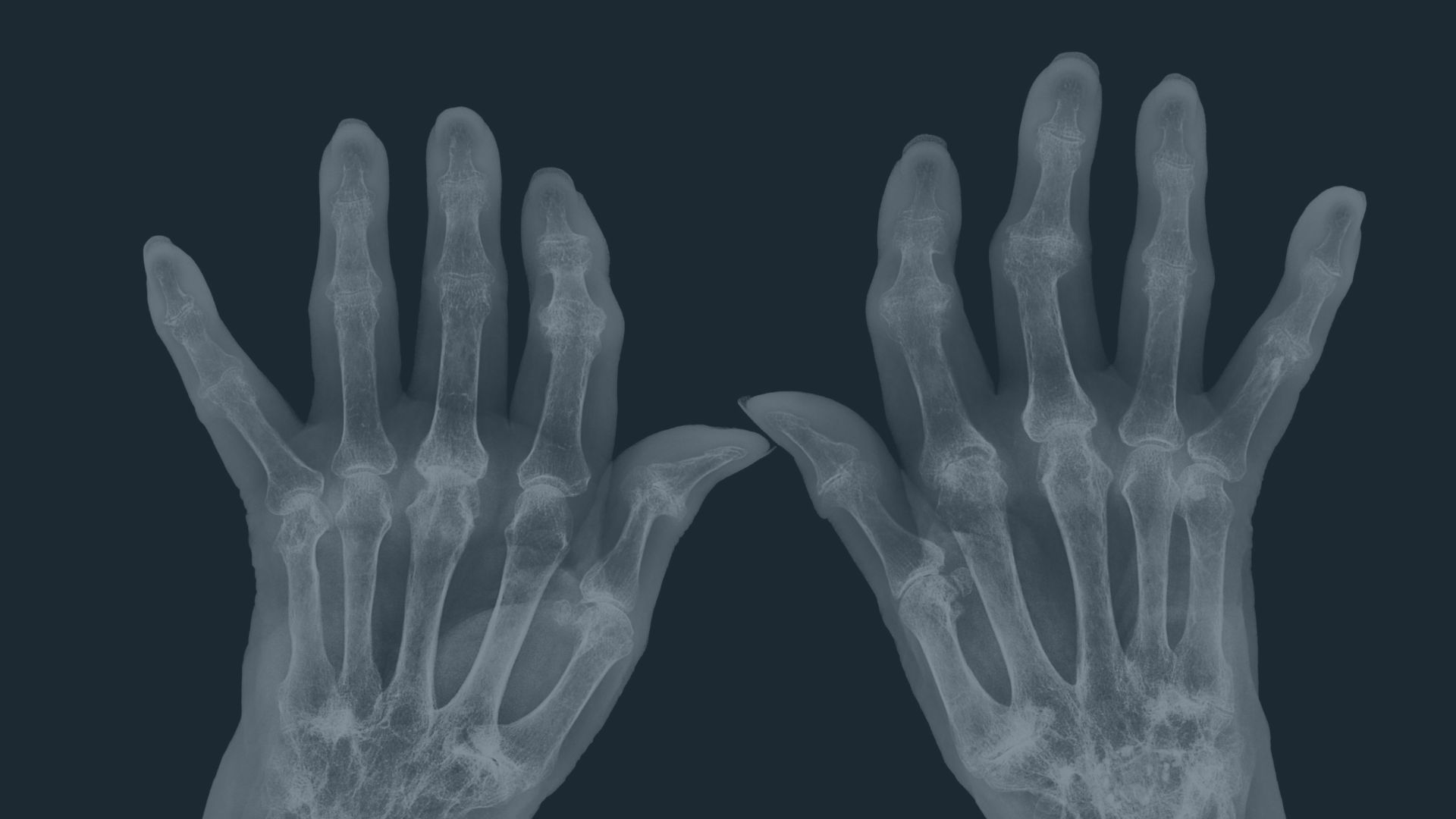
Inflammation, Autoimmunity & Joint Pain
Discover how immune dysregulation affects joints, why and how inflammation drives pain, and how dietary patterns influence symptom control.

Muscle, Tendons & Mobility With Age
See how muscle mass, connective tissue health, and metabolism determine joint stability, movement quality, and ageing resilience.
Nutritional Strategies for Joint Repair & Resilience
Learn how protein, minerals, fatty acids, and dietary patterns support cartilage repair, reduce inflammation, and protect long-term mobility.
My Top Recipes For Supporting Joints & Mobility
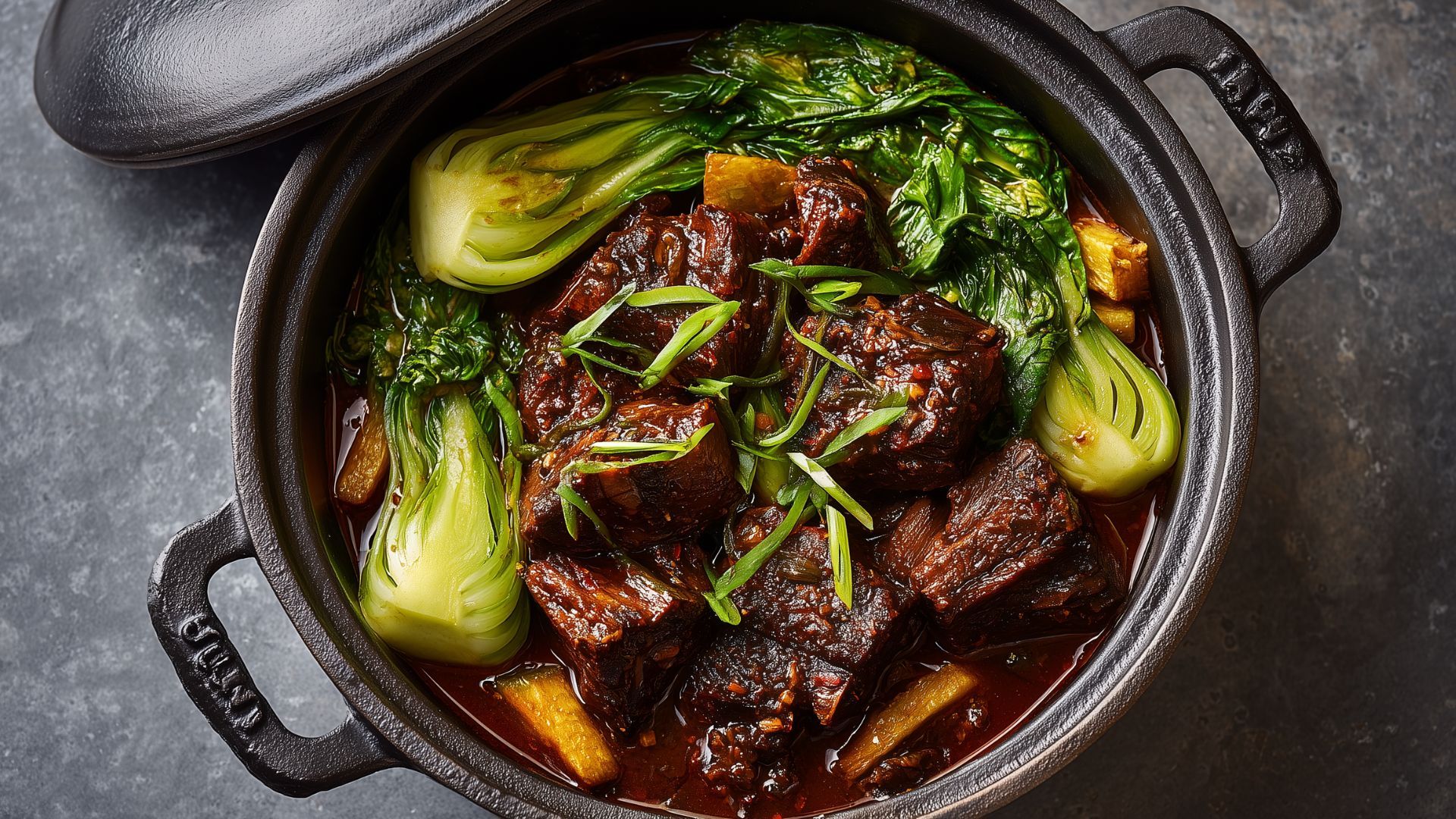
Beef Shin With Star Anise, Ginger & Pack Choi

Sweet Potato, Black Beans, Red Pepper & Coriander

Trout With Fennel, Orange & Crushed Pistachio

Turkey & Spinach Meatballs With Courgette Ribbons

Sardine & Cabbage Oatcakes With Dill Yogurt