Inflammation & Longevity
"Inflammation is not inherently harmful — it is a vital protective response that allows the body to heal and defend itself. The problem arises when inflammatory signalling becomes persistent, low-grade, and quietly embedded in daily physiology. Over time, this background inflammation influences ageing, metabolic health, cardiovascular risk, and cognitive resilience. Through decades of clinical and academic work, it has become clear that reducing chronic inflammatory load is one of the most powerful ways to protect long-term health. The insights below explore how inflammation really works and how to support longevity through evidence-based strategy."
Inflammation is one of the most essential processes in human biology, yet it is also one of the most misunderstood. It is often spoken about as something inherently harmful, something to suppress or eliminate. In reality, inflammation is not the enemy. It is one of the body’s most important protective tools.
Without inflammation, you could not survive an infection, heal a wound, or repair damaged tissue.
The problem arises when inflammation stops behaving like a short-term response and becomes a long-term state. This shift — from acute, resolving inflammation to chronic, unresolved inflammation — is one of the defining biological features of ageing and chronic disease.
Longevity, in any meaningful sense, is not simply about living longer. It is about preserving function, resilience, and independence as the years pass. And few factors influence that outcome more powerfully than the body’s inflammatory environment.
Acute inflammation is intelligent and purposeful.
When tissue is damaged or a pathogen is detected, the immune system initiates an inflammatory response. Blood flow increases, immune cells are recruited, damaged components are cleared, and repair mechanisms are activated. Once the threat is dealt with, the inflammatory response switches off and healing continues.
This ability to switch off inflammation is just as important as the ability to switch it on.
Chronic inflammation is what happens when that resolution step fails.
Instead of returning to baseline, inflammatory signalling remains mildly elevated. The immune system stays partially activated. Tissues are exposed to ongoing oxidative stress and immune-mediated damage. This does not usually cause dramatic symptoms at first. It creates a background hum of physiological stress that quietly accelerates ageing from the inside out.
This process is now widely referred to as inflammaging.
Inflammaging describes the gradual increase in low-grade systemic inflammation that occurs with age. It is not caused by ageing alone. It is driven by a lifetime of cumulative biological stressors, many of which are strongly influenced by diet, metabolism, gut health, and lifestyle.
This is why inflammation sits at the centre of longevity science.
Chronic inflammation damages tissues at the cellular level. It impairs DNA repair mechanisms, disrupts mitochondrial function, and accelerates cellular senescence, a state in which cells stop functioning properly but refuse to die. These senescent cells actively secrete inflammatory compounds, further amplifying the inflammatory environment.
Over time, this creates a vicious cycle.
Inflammation promotes tissue damage. Tissue damage triggers more inflammation. Repair becomes less efficient. Regeneration slows. Organs gradually lose resilience.
This process underlies many of the diseases we associate with ageing.
Cardiovascular disease is driven not simply by cholesterol, but by chronic inflammation within blood vessels. Neurodegenerative diseases are associated with sustained neuroinflammation. Type 2 diabetes and metabolic disease are characterised by inflammatory interference with insulin signalling. Osteoarthritis reflects inflammatory breakdown of joint tissues. Even many cancers arise more readily in chronically inflamed environments.
These are not separate failures. They are different expressions of the same underlying biology.
Metabolic health is one of the strongest drivers of inflammatory load.
Repeated blood sugar spikes, insulin resistance, and excess visceral fat all promote the release of inflammatory signalling molecules. Fat tissue, particularly when stored around abdominal organs, is not metabolically inert. It actively secretes cytokines that increase systemic inflammation.
This helps explain why metabolic dysfunction so reliably predicts reduced healthspan.
The gut is another major regulator of inflammation.
The gut lining acts as a selective barrier between the external world and the immune system. When this barrier is intact, immune tolerance is maintained. When it is compromised, immune cells are exposed to substances that trigger inflammatory responses.
Poor diet, chronic stress, infections, and dysbiosis can all impair gut barrier function, leading to persistent immune activation. This gut-driven inflammation can affect distant tissues, including joints, blood vessels, and the brain.
The immune system itself changes with age.
As we get older, immune responsiveness tends to decline, while baseline inflammatory signalling increases. This paradoxical combination — weaker defence alongside greater inflammation — increases vulnerability to infection while simultaneously accelerating tissue damage.
Nutrition strongly influences how this process unfolds.
Inflammation is not simply something that happens to us. It is shaped by daily inputs.
Ultra-processed diets tend to promote inflammation by destabilising blood sugar, providing excess omega-6 fats without sufficient balancing nutrients, displacing fibre and micronutrients, and increasing oxidative stress. Over time, this creates an inflammatory environment that the body struggles to resolve.
By contrast, whole foods contain compounds that actively regulate inflammation.
Omega-3 fats give rise to specialised pro-resolving mediators, molecules that do not just dampen inflammation but actively help the body switch it off once its job is done. Fibre feeds gut microbes that produce short-chain fatty acids, which support immune tolerance and reduce inflammatory tone. Polyphenols interact with inflammatory signalling pathways, reducing excessive activation while preserving normal immune function.
This distinction is crucial.
Longevity is not achieved by suppressing inflammation indiscriminately. Inflammation that can resolve is not harmful. Inflammation that cannot resolve is what drives ageing and disease.
Healthy ageing depends on maintaining the body’s ability to mount appropriate inflammatory responses and then shut them down efficiently. This capacity declines under constant metabolic, dietary, and environmental stress, but it can be preserved — and in many cases partially restored — through supportive nutrition and lifestyle patterns.
Ageing, then, is not simply the accumulation of years.
It is the accumulation of unresolved biological damage.
Inflammation accelerates that damage when it becomes chronic. Reducing inflammatory load does not make us immortal, but it can dramatically extend the number of years lived with strength, clarity, and independence.
The purpose of this page is to give you the full framework for understanding how inflammation shapes ageing and long-term health. The deeper sections linked below explore specific mechanisms and practical strategies in more detail.
But everything begins here.
When inflammation is kept in balance, the body spends less time fighting itself and more time repairing, adapting, and sustaining life well into older age.
Five Simple Steps to Reduce Inflammation With Diet
Reducing chronic inflammation is not about eliminating inflammation altogether. It is about restoring the body’s ability to regulate inflammatory responses properly — switching them on when needed, and switching them off when the job is done. Diet plays a central role in this process, not through magic foods or restriction, but through consistent biological signals.
1. Remove the Constant Inflammatory Triggers
Chronic inflammation rarely comes from a single source. It develops when the immune system is exposed to constant low-level triggers that never fully resolve.
Highly processed foods are one of the most common contributors. They destabilise blood sugar, provide excess omega-6 fats without balancing nutrients, displace fibre and micronutrients, and increase oxidative stress. Each of these factors nudges inflammatory signalling upward. Together, they create an environment in which inflammation struggles to switch off.
Reducing inflammation begins by lowering this background noise.
This does not require perfection, but it does require awareness. The more often the diet is built around whole, minimally processed foods, the fewer inflammatory signals the immune system must manage. Over time, this reduction in load allows regulatory systems to regain control.
Inflammation quietens not because something new is added, but because constant provocation is removed.
2. Stabilise Blood Sugar to Calm Inflammatory Signalling
Blood sugar instability is one of the most powerful drivers of chronic inflammation.
Repeated spikes in glucose trigger oxidative stress and activate inflammatory pathways within blood vessels and tissues. Over time, this interferes with insulin signalling and promotes the release of inflammatory cytokines, particularly from visceral fat.
Stabilising blood sugar reduces this inflammatory pressure at its source.
Meals that combine protein, fibre-rich plant foods, and appropriate fats digest more slowly and lead to gentler rises in glucose. Refined carbohydrates and sugars do the opposite, flooding the bloodstream and demanding repeated inflammatory correction.
Importantly, this is not about eliminating carbohydrates. It is about choosing forms and contexts that the body can manage calmly. When blood sugar becomes more stable, inflammation often falls as a downstream effect, without being directly targeted.
3. Shift Fat Balance Toward Resolution, Not Amplification
Dietary fats play a direct role in inflammatory signalling.
Some fats give rise to molecules that amplify inflammation, while others produce compounds that actively help the body resolve it. The modern diet has shifted heavily toward fats that promote inflammatory pathways, largely through excessive intake of omega-6 fatty acids from industrial seed oils, often without sufficient balancing inputs.
Omega-3 fats behave very differently.
They are precursors to specialised pro-resolving mediators, compounds that do not simply dampen inflammation, but help bring inflammatory responses to a close once their purpose has been served. This distinction is crucial for long-term tissue health and ageing.
Reducing inflammation with diet involves restoring balance, not eliminating fat.
By reducing excessive inflammatory fats and increasing intake of omega-3-rich foods, the body’s inflammatory responses become more proportionate and more likely to resolve cleanly.
4. Feed the Gut to Restore Immune Tolerance
A large proportion of the immune system resides in and around the gut. The gut lining acts as a critical interface between the external environment and immune surveillance. When this barrier functions well, immune tolerance is maintained. When it is compromised, inflammation becomes more likely.
Diet strongly influences this process.
Fibre-rich foods feed beneficial gut microbes that produce short-chain fatty acids. These compounds support gut barrier integrity, regulate immune responses, and reduce inflammatory tone. Diets low in fibre deprive the microbiome of this fuel, weakening one of the body’s most important anti-inflammatory systems.
Ultra-processed foods, by contrast, tend to disrupt microbial balance and increase gut permeability, exposing immune cells to signals that promote chronic activation.
Reducing inflammation therefore requires feeding the systems that regulate it.
As gut health improves, immune responses become calmer, more selective, and less prone to chronic activation. This often has far-reaching effects beyond digestion, influencing joints, skin, mood, and metabolic health.
5. Supply the Nutrients Needed for Inflammatory Resolution
Inflammation does not resolve automatically. It is an active, energy-dependent process that requires specific nutrients.
Antioxidants help neutralise oxidative stress generated during inflammatory responses. Micronutrients act as cofactors for enzymes involved in immune regulation and tissue repair. Protein provides the building blocks for immune cells and repair processes.
When nutrient intake is poor, inflammation may switch on appropriately but struggle to switch off.
Whole foods naturally provide the nutrient density required for resolution. Vegetables, fruits, herbs, spices, nuts, seeds, and quality protein sources all contribute compounds that help the immune system complete its work and return to baseline.
This is one of the reasons highly restrictive or poorly planned diets can worsen inflammation over time, even if they remove certain triggers. Resolution requires resources.
Reducing inflammation is not about silencing the immune system. It is about restoring its intelligence.
These five steps work because they lower unnecessary inflammatory input, stabilise metabolic signalling, and provide the raw materials required for proper resolution. Applied consistently, they reduce the background inflammatory load that accelerates ageing and disease.
When inflammation is allowed to resolve properly, tissues repair more effectively, biological ageing slows, and the body regains its capacity for resilience.
Everything else builds from here.
Let's Dive Deeper!
Learn More About:

Inflammation & Disease Risk
Understand how chronic inflammation drives disease risk, why it develops, and how diet influences long-term health outcomes.

Inflammation & Biological Age
Explore how inflammation accelerates biological ageing, and impacts resilience, and what helps slow the process.

Diet, Oxidative Stress & Damage
Learn how our diet can affect oxidative stress, cellular damage, and the delicate balance between injury and repair mechanisms.
Immune Balance & Inflammation
Discover how immune activity and inflammation interact, and what supports a balanced, responsive immune system.

Gut Function Driven Inflammation
Understand how gut health influences inflammatory signalling, immune activation, and whole-body inflammation.

Dietary Strategies To Lower Inflammation
Learn how specific everyday dietary patterns can reduce inflammation, support repair, and protect long-term health.
My Top Recipes For Supporting Inflammation & Longevity
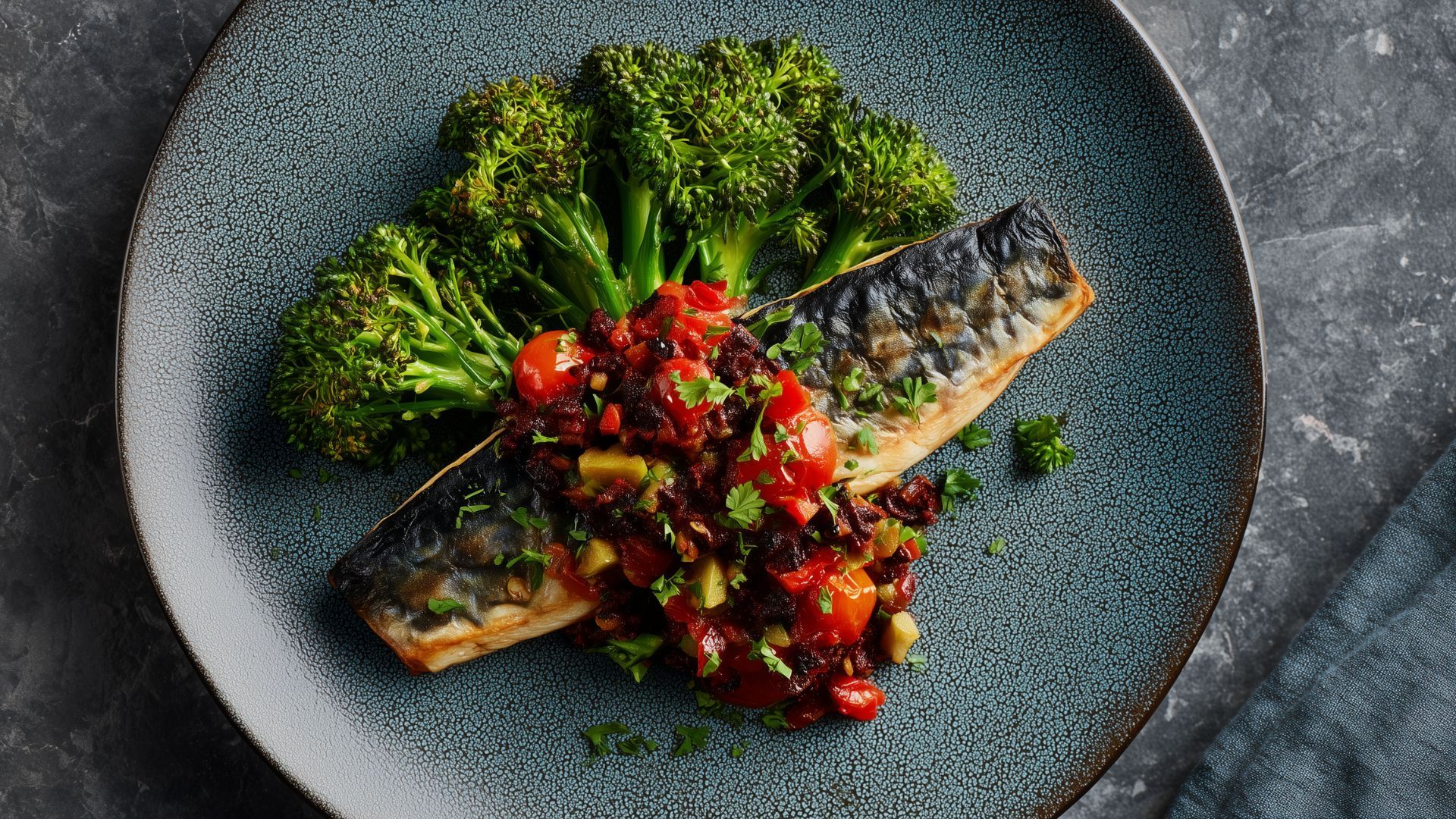
Mackerel With Crushed Olives, Tomato & Basil
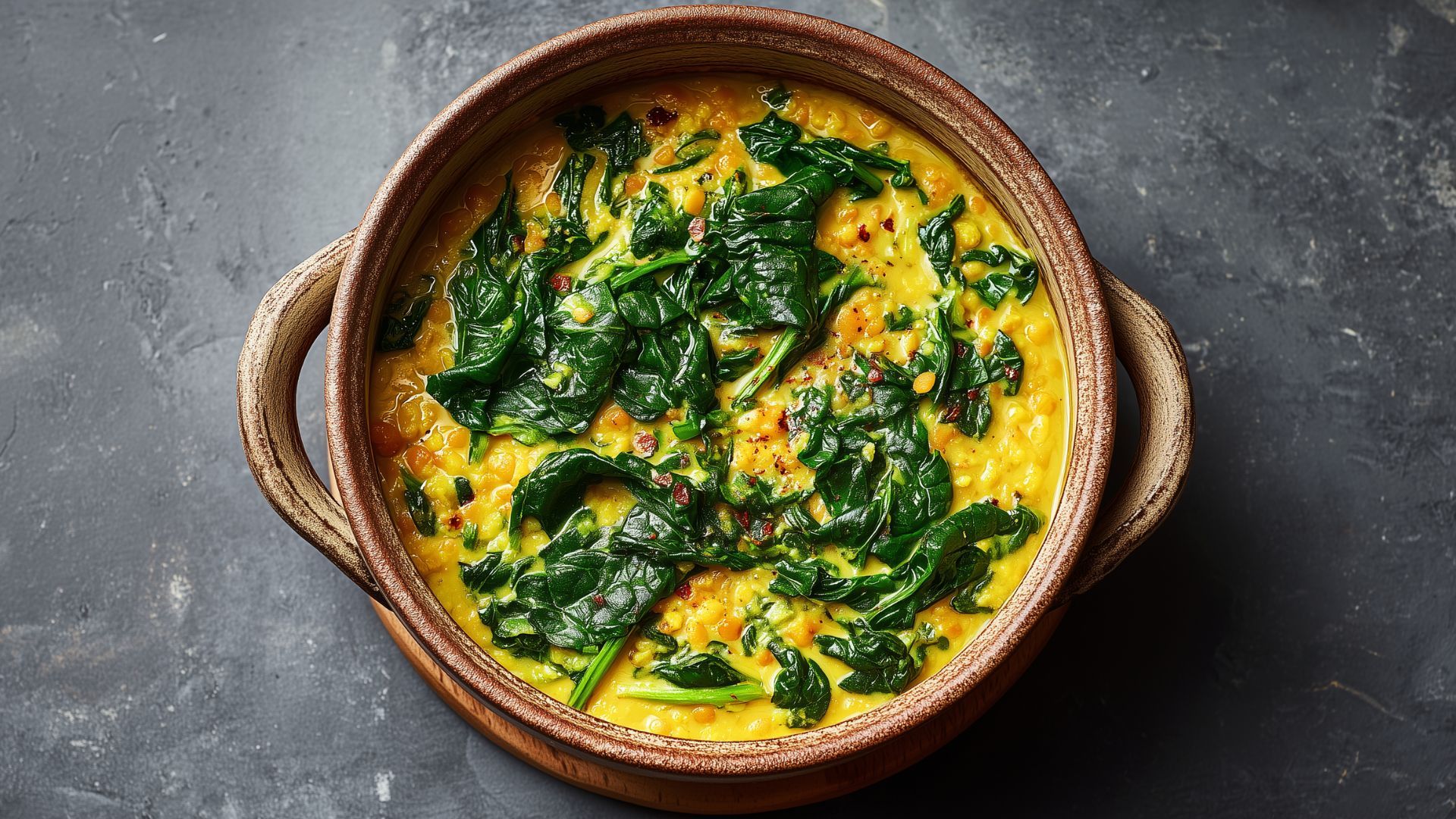
Spinach, Turmeric, Red Lentil, Coconut Curry

Pomegranate & Herb Crusted Cauliflower Steaks
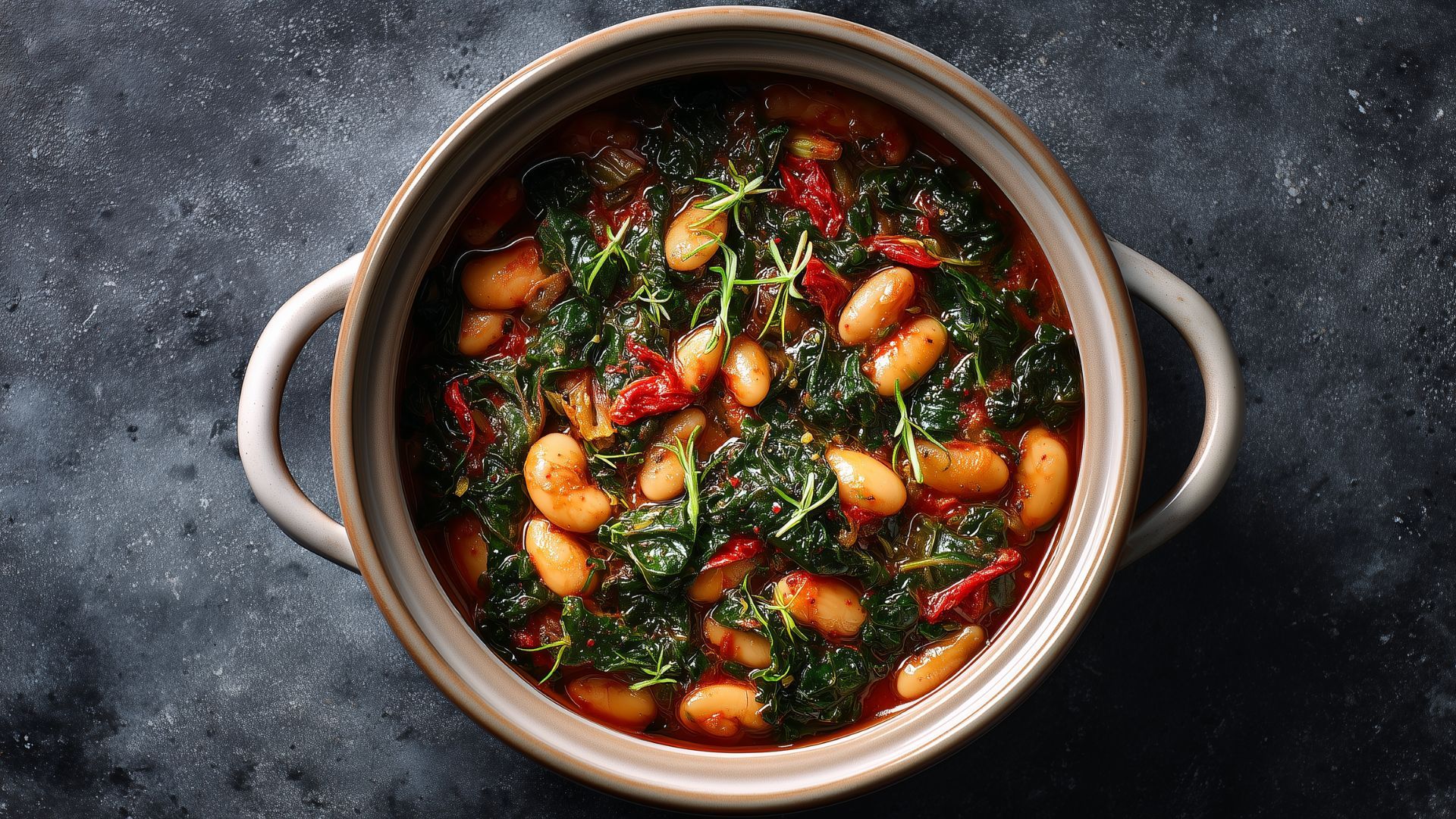
Tomato Garlic & Rosemary Butterbeans

Grilled Chicken With Saffron Yogurt, Aubergine & Mint