Gut Health & Digestion
"I have seen first hand how deeply gut problems can affect daily life, from persistent bloating and discomfort to anxiety around food and social situations. Through years of clinical practice supporting people with digestive issues, I have learned that lasting improvement comes from understanding how the gut actually works, not chasing quick fixes. The insights below offer a grounded starting point worth exploring"
Gut health is often discussed as if it only matters when something goes wrong. Bloating, reflux, constipation, diarrhoea, food intolerances. But in reality, the digestive system is not just about digestion. It is one of the most complex, integrated, and influential systems in the human body.
The gut is where food becomes biology.
Every nutrient you eat must be broken down, absorbed, interpreted, and communicated to the rest of the body through the digestive system. If that process is compromised, nutrition cannot do its job properly, no matter how “healthy” the diet appears on paper.
Understanding gut health begins with understanding what digestion is actually responsible for.
Digestion is not a single process. It is a coordinated sequence involving mechanical breakdown, chemical digestion, enzyme activity, hormone signalling, immune surveillance, nervous system input, and microbial metabolism. Each stage depends on the one before it. When one part falters, the effects ripple outward.
Digestion begins before food even enters the mouth.
The sight, smell, and anticipation of food activate the cephalic phase of digestion, triggering the release of saliva, stomach acid, digestive enzymes, and gut hormones. This process is heavily influenced by the nervous system. When we are calm and present, digestion is primed. When we are stressed, rushed, or distracted, digestive signalling is suppressed.
This is not a minor detail. Chronic stress alone can meaningfully impair digestion.
Once food reaches the stomach, hydrochloric acid and enzymes begin the process of protein breakdown and microbial control. Stomach acid plays a crucial role here. It denatures proteins, activates digestive enzymes, and helps prevent unwanted microbes from reaching the lower gut.
Low stomach acid is far more common than most people realise.
Stress, ageing, chronic dieting, nutrient deficiencies, and overuse of acid-suppressing medications all reduce acid production. When stomach acid is insufficient, protein digestion suffers, minerals such as iron and zinc are poorly absorbed, and partially digested food passes into the intestine, where it can irritate the immune system.
From the stomach, food enters the small intestine, where the majority of digestion and absorption takes place.
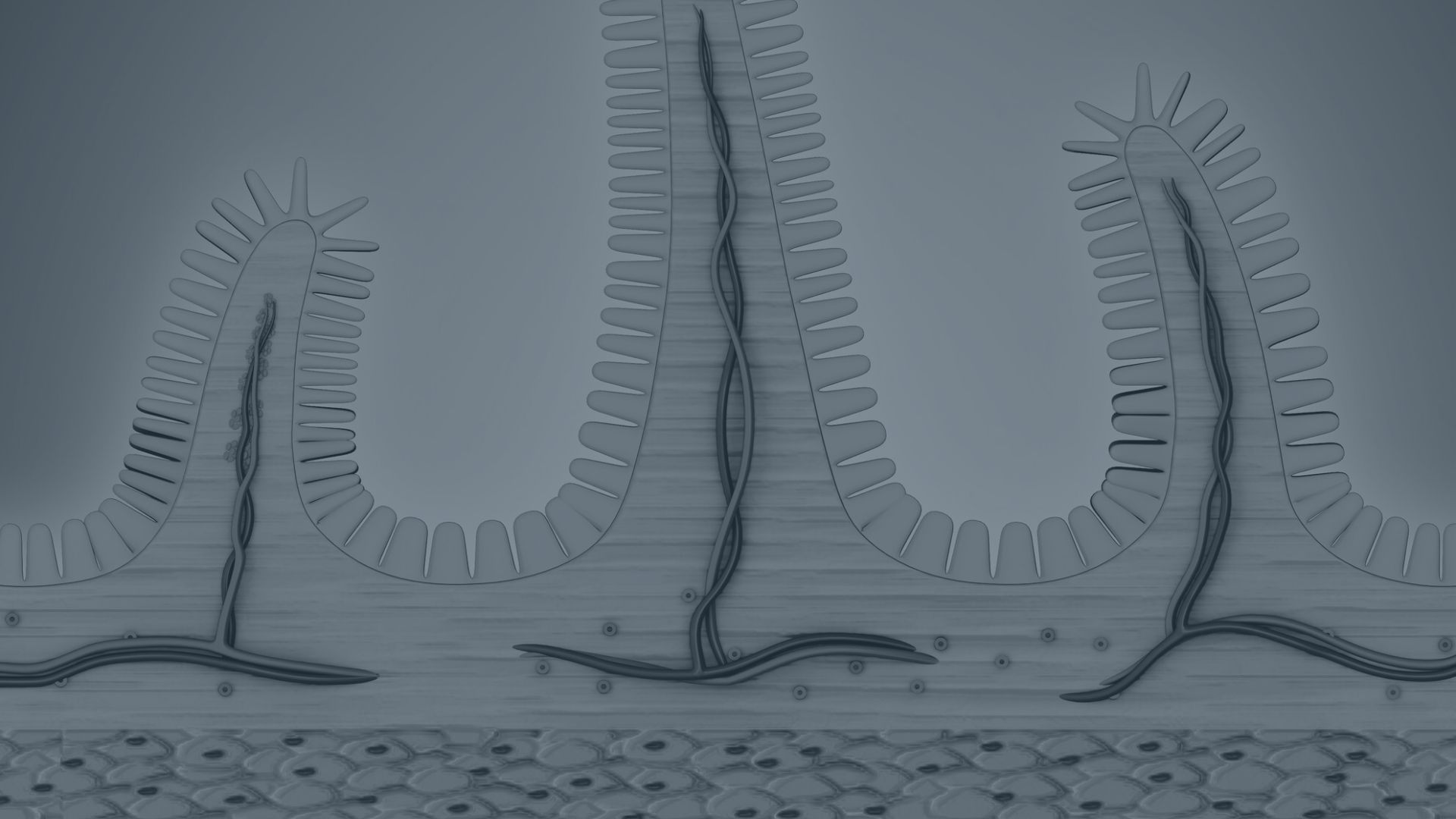
Here, bile from the liver emulsifies fats, pancreatic enzymes break down carbohydrates, proteins, and fats, and nutrients are absorbed across the intestinal lining into the bloodstream. This lining is only one cell thick. Its thinness makes it highly efficient, but also highly vulnerable.
The gut lining must perform a delicate balancing act.
It needs to allow nutrients through while keeping harmful substances out. When this barrier becomes compromised, a state often referred to as increased intestinal permeability, substances that should never reach the bloodstream can pass through. This places a constant burden on the immune system and is now strongly linked to chronic inflammation, food sensitivities, autoimmune conditions, metabolic disease, and skin disorders.
Beyond digestion and absorption, the gut is also a major immune organ.
Around seventy percent of immune tissue resides in and around the gut. Immune cells constantly sample what passes through the digestive tract, learning what is harmless and what requires a response. When gut signalling is clear and regulated, immune tolerance is maintained. When the gut environment becomes chaotic, immune responses become more reactive.
The gut microbiome adds another layer of complexity.
Trillions of bacteria, fungi, and other microbes live within the digestive tract. These organisms are not passive passengers. They help digest fibre, produce vitamins, generate short-chain fatty acids that nourish the gut lining, regulate inflammation, influence appetite hormones, and communicate directly with the brain.
A diverse, balanced microbiome acts like an additional organ, supporting digestion, immunity, and metabolic health. When microbial balance is disrupted, digestion becomes less efficient, inflammation increases, and disease risk rises.
Modern diets place significant strain on this ecosystem.
Highly processed foods are low in fibre and polyphenols, the primary fuel sources for beneficial microbes. Excess sugar and refined carbohydrates feed opportunistic organisms. Repeated antibiotic exposure can dramatically reduce microbial diversity. Over time, this creates a gut environment that favours inflammation rather than regulation.
This helps explain why gut dysfunction rarely exists in isolation.
Digestive symptoms often coexist with fatigue, brain fog, joint pain, skin issues, hormonal problems, poor immunity, and metabolic dysfunction. These are not random associations. They reflect the central role the gut plays in regulating the entire system.
Nutrition is one of the most powerful tools for supporting gut health, but it must be understood in context.
Gut-supportive nutrition is not about single superfoods or supplements. It is about creating conditions that allow digestion, absorption, microbial balance, and immune tolerance to function properly.
Fibre-rich plant foods provide fuel for beneficial microbes and support gut lining integrity. Adequate protein supports tissue repair and immune function, but only if it is properly digested. Fat quality influences bile flow and microbial balance. Micronutrients act as cofactors for digestive enzymes and cellular repair.
Equally important is what nutrition removes.
Constant snacking, ultra-processed foods, excessive alcohol, and chronic stress all disrupt digestive rhythm. The gut requires periods of rest between meals to complete digestion and initiate repair processes. When these rhythms are lost, dysfunction becomes more likely.
Gut health also changes across the lifespan.
Ageing, hormonal transitions, illness, and long-term stress all influence digestive capacity. Many people assume digestive symptoms are an inevitable part of getting older, when in reality they often reflect cumulative, but modifiable, stress on the system.
True gut health is not defined by the absence of symptoms alone.
It is defined by efficient digestion, effective absorption, immune tolerance, microbial diversity, and resilience in the face of dietary variation and stress. When these conditions are met, the gut quietly supports the rest of the body without drawing attention to itself.
The purpose of this page is to give you the full framework for understanding how gut health and digestion influence almost every aspect of health. The deeper sections linked below explore specific digestive processes, conditions, and strategies in more detail.
But everything begins here.
When digestion works properly, food becomes nourishment rather than stress, and the gut becomes a foundation for health rather than a source of ongoing problems.
Five Simple Steps to a Healthier Gut
Improving gut health is not about forcing the digestive system to behave. It is about removing obstacles, restoring rhythm, and giving the gut the resources it needs to do what it evolved to do. These five steps address the most common reasons digestion breaks down in modern life.
1. Create the Right Conditions for Digestion to Begin
Digestion starts in the nervous system, not the stomach.
Before food even enters the mouth, the brain signals the release of saliva, stomach acid, digestive enzymes, and gut hormones. This process only happens properly when the body is in a calm, parasympathetic state. When you are stressed, rushed, distracted, or eating on the move, digestion is suppressed by design.
Over time, this leads to inadequate stomach acid, poor enzyme release, and incomplete digestion.
Supporting gut health therefore begins with how you eat, not just what you eat. Slowing down, eating without constant distraction, and allowing the body to recognise that food is coming creates a cascade of digestive signalling that improves everything downstream. This alone can meaningfully reduce bloating, reflux, and post-meal discomfort.
The gut cannot digest properly in a state of chronic urgency.
2. Support Stomach Acid and Enzyme Function
Adequate stomach acid is foundational to healthy digestion.
Stomach acid breaks down protein, activates digestive enzymes, sterilises incoming food, and prepares nutrients for absorption. When acid levels are low, proteins remain partially digested, minerals are poorly absorbed, and undigested food moves into the intestine, where it can irritate the immune system and feed the wrong microbes.
Low stomach acid is far more common than excess acid, particularly in people under chronic stress, older adults, and those who rely heavily on acid-suppressing medications.
Supporting stomach acid does not usually require aggressive intervention. Eating protein-containing meals, avoiding constant snacking, correcting nutrient deficiencies, and reducing stress can all improve acid production naturally. When digestion improves at this early stage, many gut symptoms resolve further down the line without being directly targeted.
3. Feed the Microbiome, Not Just Yourself
A healthy gut is not just about human cells. It depends on the trillions of microbes that live within the digestive tract.
These microbes help digest fibre, produce vitamins, regulate immune responses, and generate short-chain fatty acids that nourish the gut lining and reduce inflammation. When microbial diversity is high, the gut is resilient. When it is low, digestion becomes fragile and reactive.
Modern diets often starve the microbiome.
Highly processed foods provide energy but very little fibre or polyphenols, the compounds beneficial microbes rely on. Over time, this reduces microbial diversity and allows opportunistic organisms to dominate.
Supporting the microbiome means consistently including a wide variety of fibre-rich plant foods. Different fibres feed different microbes, so diversity matters more than perfection. As microbial balance improves, immune tolerance increases, inflammation decreases, and digestion becomes more stable.
4. Protect and Repair the Gut Lining
The gut lining is only one cell thick, yet it plays an extraordinary role.
It must allow nutrients through while keeping pathogens, toxins, and undigested particles out. When this barrier is compromised, immune cells are exposed to substances that trigger chronic inflammatory responses. This can manifest as food sensitivities, bloating, skin issues, joint pain, fatigue, and autoimmune symptoms.
Protecting the gut lining involves reducing irritants and supplying the nutrients required for repair.
Adequate protein supports tissue regeneration. Micronutrients such as zinc and vitamin A support barrier integrity. Short-chain fatty acids produced by gut microbes nourish gut cells directly. Excessive alcohol, ultra-processed foods, and chronic stress do the opposite, increasing permeability and immune activation.
Gut repair is not about sealing the gut shut. It is about restoring selective permeability and immune tolerance.
5. Restore Digestive Rhythm and Rest
The gut requires rhythm to function well.
Between meals, the digestive tract performs housekeeping functions, clearing residual food and bacteria through coordinated waves of muscular contraction. Constant grazing disrupts this process, allowing stagnation and microbial imbalance to develop.
Spacing meals and allowing periods of digestive rest gives the gut time to complete digestion, reset immune signalling, and initiate repair processes. This does not require fasting protocols or rigid rules. It requires simply allowing digestion to finish before starting again.
Sleep is also critical.
Many gut repair processes occur overnight. Poor sleep increases gut permeability, alters microbial balance, and amplifies inflammation. Improving sleep quality often leads to noticeable improvements in digestion without any other changes.
A healthier gut is not built through restriction or supplementation alone. It is built through rhythm, nourishment, and support.
These five steps work because they address the most common reasons digestion struggles in modern life: stress, poor signalling, microbial starvation, barrier disruption, and lack of rest. Applied consistently, they allow the gut to recover its natural efficiency and resilience.
When the gut is supported properly, it stops demanding attention — and quietly supports the rest of the body instead.
Let's Dive Deeper!
Learn More About:

Bloating & Discomfort
Learn why bloating happens, what it says about how your digestion is working, and how to ease symptoms without cutting out endless foods.

IBS & Sensitivity
Understand what IBS really is, why symptoms come and go, and how digestion, stress, and gut sensitivity interact to drive bowel issues so often lumped together.
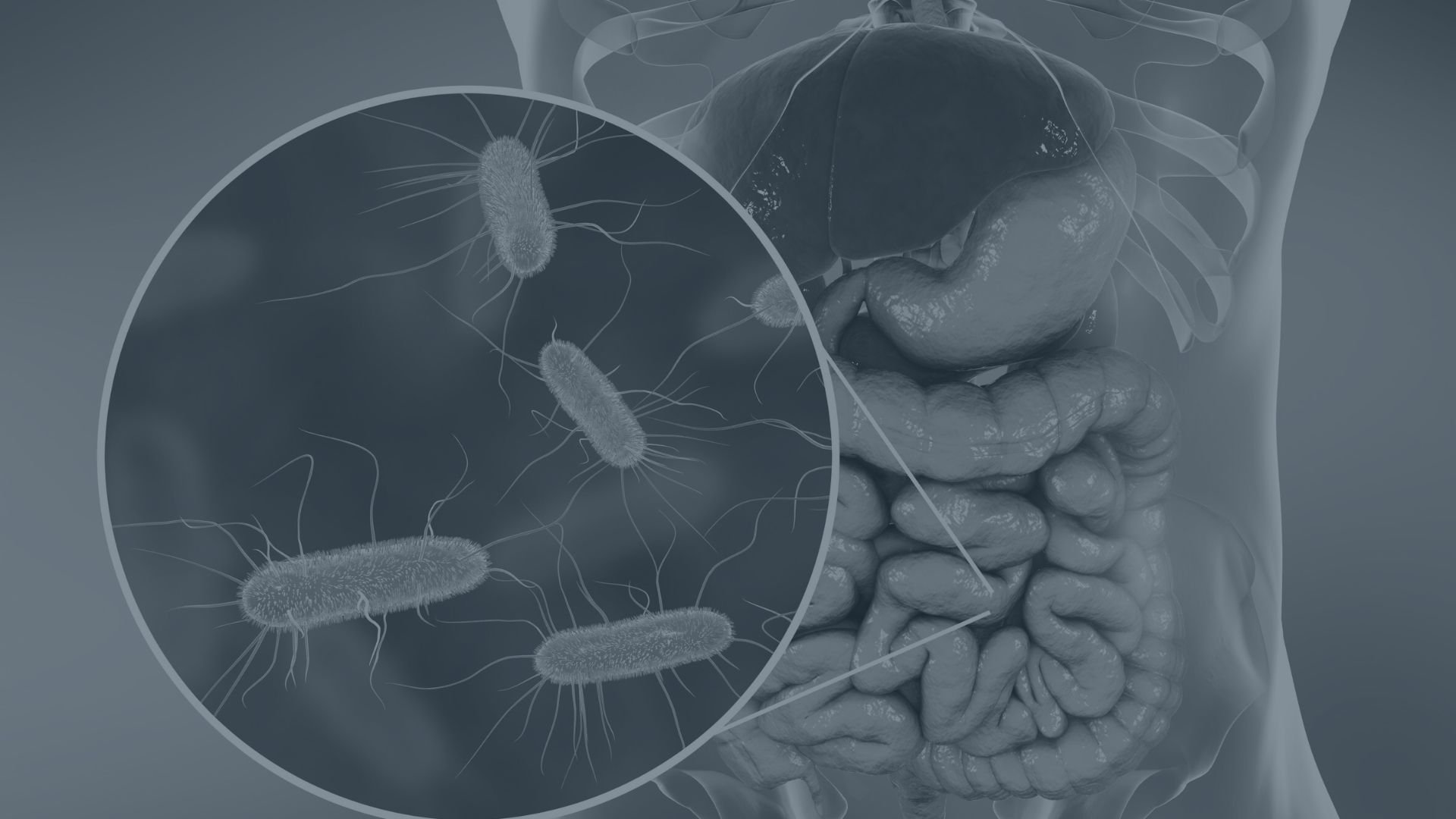
The Microbiome
Discover how gut bacteria affect digestion, immunity, and inflammation, and what helps support a healthy, balanced microbiome long term.
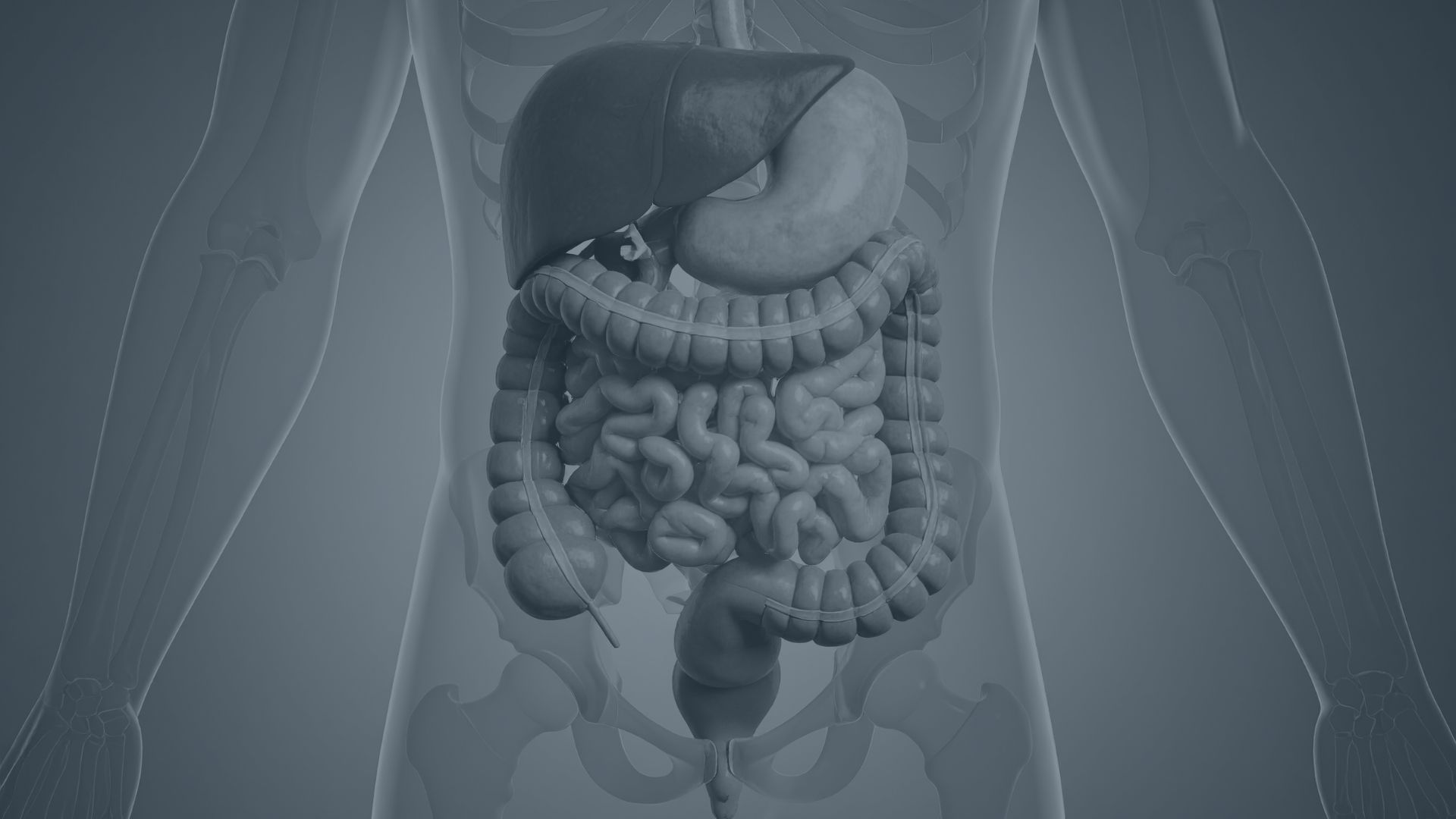
Digestive Function
Learn how digestion is meant to work, what happens when it doesn’t, and why issues with acid or enzymes are often overlooked.
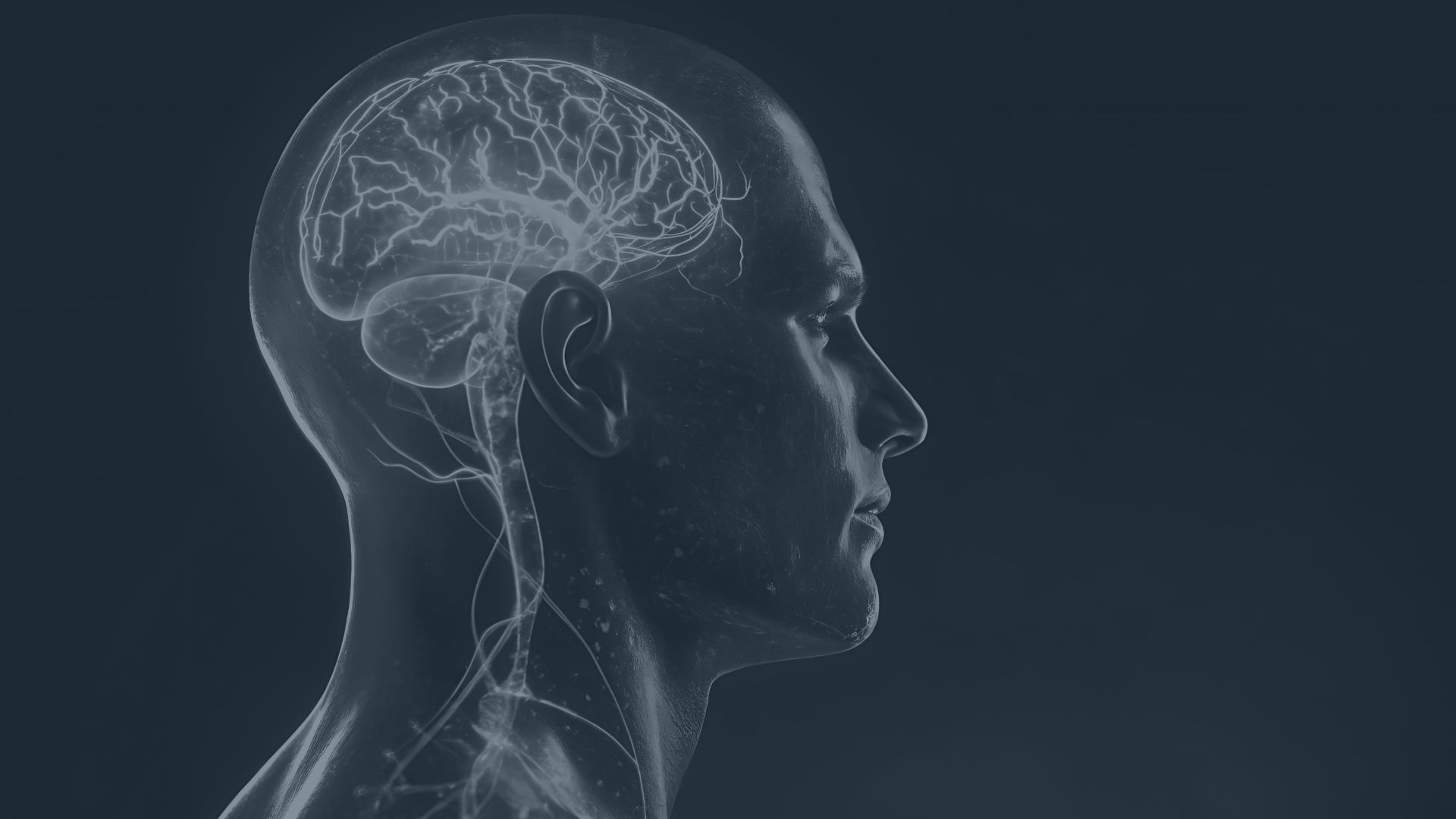
Gut/Brain Connection
Understand how stress and the nervous system influence digestion, gut symptoms, & discomfort — & how to calm it.
Gut Barrier Function
Learn how the gut lining protects the body, what can weaken it, and when gut barrier health becomes important for symptoms.
My Top Recipes For Supporting Gut Health

Blackberry & Chia Oats With Walnuts & Cinnamon

Kefir, Cocoa & Raspberry Overnight Oats

Sauteed Thyme Mushrooms On Sourdough
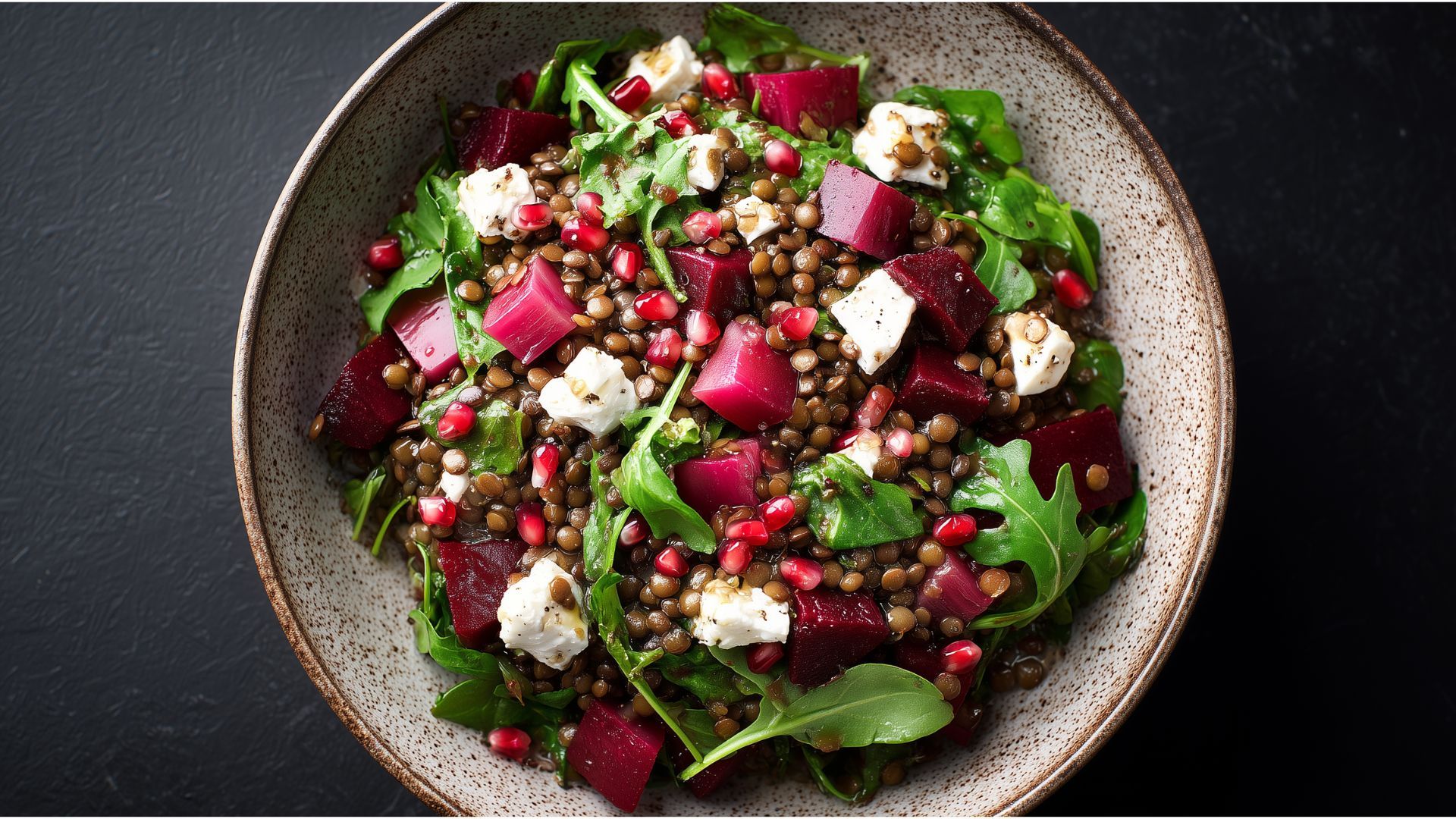
Lentil, Beetroot & Rocket Salad & Pomegranate Molasses

Chickpea Artichoke & Spinach Stew With Lemon & Herbs

Sardines with Warm Barley, Fennel & Red Onion Salad
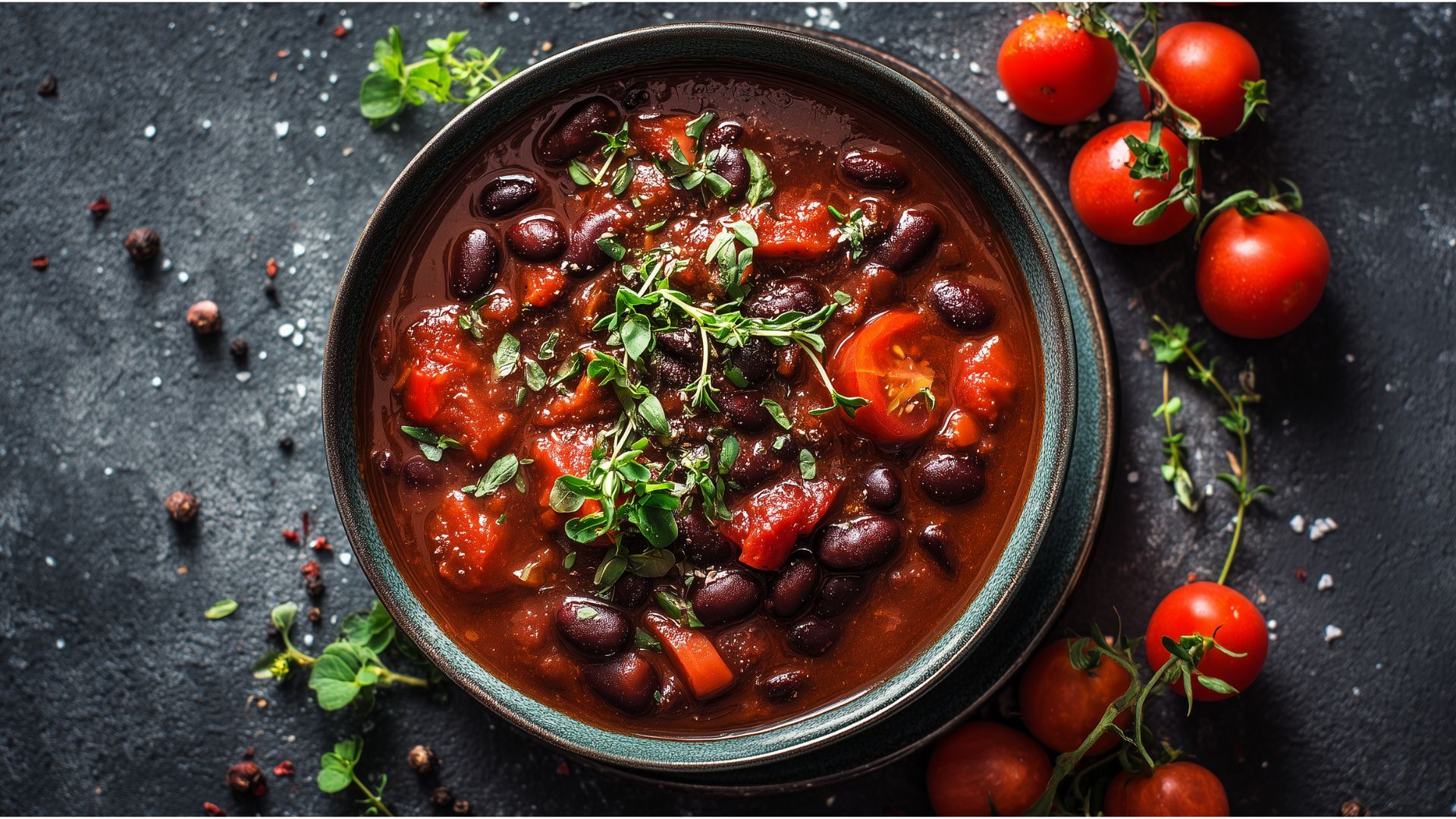
Slow-Cooked Black Bean, Tomato & Cocoa Chilli

Miso-Glazed Aubergine, Buckwheat & Sesame Greens