
The Brain & Mental Health
"Mental health is often approached as though it exists separately from the body, yet the brain is deeply influenced by nutrition, metabolism, inflammation, and hormonal balance. Mood, focus, anxiety, and cognitive resilience all reflect underlying biological processes that can be supported or disrupted by daily habits. Through years of clinical work and research, it has become clear that understanding these connections offers far more lasting benefit than quick fixes or oversimplified advice. The insights below explore how the brain functions and how to support mental health in a practical, evidence-based way."
Mental health is often discussed as if it exists separately from physical health, as though thoughts, emotions, and mood arise in isolation from the body. In reality, mental health is inseparable from brain health, and brain health is inseparable from metabolism, inflammation, hormones, and nutrition.
The brain is a physical organ. It has structure, energy demands, nutrient requirements, and biological limits. When those needs are met, the brain is remarkably resilient. When they are not, mental health begins to suffer, often in ways that feel deeply personal but are, in fact, physiological.
Understanding mental health begins with understanding what the brain needs in order to function well.
Despite accounting for only a small proportion of body weight, the brain uses roughly twenty percent of the body’s total energy at rest. That energy must be delivered continuously, reliably, and without excessive metabolic stress. The brain has very limited energy storage capacity, which means it is uniquely sensitive to disruptions in fuel supply.
This is why mental health is so closely tied to metabolic health.
Glucose is the brain’s primary fuel under most conditions, but the brain does not tolerate volatility well. Rapid rises and falls in blood sugar are perceived as a threat, triggering the release of stress hormones such as cortisol and adrenaline to stabilise supply. When this happens repeatedly, the nervous system shifts into a more defensive state.
Over time, this can manifest as anxiety, irritability, low mood, poor concentration, brain fog, and emotional reactivity. These experiences are often framed as psychological weakness, when in reality they are signs of a brain under metabolic strain.
Insulin resistance further complicates this picture.
Although the brain does not require insulin for glucose uptake in the same way muscle does, insulin plays important roles in brain signalling, appetite regulation, learning, and memory. Impaired insulin signalling in the brain has been linked to depression, cognitive decline, and neurodegenerative disease. This is one reason Alzheimer’s disease is sometimes referred to as “type 3 diabetes.”
Inflammation is another central player in brain and mental health.
The brain is exquisitely sensitive to inflammatory signals circulating in the bloodstream. When inflammatory molecules are elevated, they influence neurotransmitter production, synaptic plasticity, and neurogenesis — the brain’s ability to form new connections and even new neurons.
Chronic low-grade inflammation shifts the brain into a protective mode. Motivation decreases. Pleasure response dulls. Cognitive flexibility narrows. This is not a failure of mindset. It is the brain prioritising survival over exploration and creativity.
This helps explain why depression, anxiety, and cognitive decline are so strongly associated with inflammatory conditions, metabolic dysfunction, and chronic stress.
The gut–brain axis adds another critical layer.
The gut and brain communicate constantly through neural pathways, immune signalling, and microbial metabolites. Gut bacteria influence the production of neurotransmitters and their precursors, regulate inflammation, and help shape the stress response.
When gut health is compromised, whether through poor diet, chronic stress, or inflammation, mental health often follows. Digestive symptoms, food sensitivities, anxiety, and low mood frequently coexist because they arise from the same underlying dysregulation.
Nutrition influences brain and mental health through multiple overlapping mechanisms.
The brain is structurally rich in fat, and the quality of dietary fats directly affects neuronal membrane fluidity and signalling efficiency. Omega-3 fatty acids, particularly DHA, are critical for maintaining healthy brain structure and supporting mood regulation. Deficiency is associated with increased risk of depression and cognitive decline.
Protein intake also matters, not just for physical health but for mental health.
Neurotransmitters such as serotonin, dopamine, noradrenaline, and GABA are synthesised from amino acids obtained through dietary protein. When protein intake is inadequate, or digestion and absorption are impaired, neurotransmitter balance becomes harder to maintain.
Micronutrients play equally important roles.
B vitamins are required for neurotransmitter synthesis and energy production. Minerals such as magnesium and zinc influence nervous system excitability and stress resilience. Iron supports oxygen delivery to the brain. Deficiencies may not cause dramatic symptoms immediately, but they quietly reduce the brain’s capacity to cope.
Ultra-processed diets undermine mental health in several ways at once.
They destabilise blood sugar, promote inflammation, displace nutrient-dense foods, and disrupt the gut microbiome. Over time, this creates a brain that is constantly compensating for biological stress rather than operating from a position of resilience.
By contrast, dietary patterns built around whole foods, adequate protein, fibre-rich plants, and anti-inflammatory fats create the conditions for mental stability. This does not mean nutrition replaces therapy, medication, or psychological support where needed. It means the biological foundations of mental health are no longer being neglected.
Stress deserves special attention.
The brain evolved to handle short bursts of stress, not chronic, unrelenting pressure. When stress becomes constant, cortisol remains elevated, blood sugar regulation deteriorates, sleep is disrupted, and inflammation increases. Over time, this reshapes brain structure and function, particularly in areas involved in mood regulation and memory.
Nutrition cannot remove stress from life, but it can dramatically influence how the brain responds to it. Stable energy supply, adequate micronutrients, and anti-inflammatory dietary patterns all increase stress resilience at a physiological level.
Mental health challenges are not personal failures.
They are not signs of weakness, lack of willpower, or flawed character. They are expressions of a system under strain, often for reasons that make complete biological sense once they are understood.
When the brain is properly fuelled, protected from excessive inflammation, supported by a healthy gut, and relieved of constant metabolic pressure, many people experience profound improvements in clarity, emotional stability, motivation, and resilience.
This does not mean life becomes easy. It means the brain is no longer fighting the body.
The purpose of this page is to give you the full framework for understanding how brain health and mental health intersect with nutrition and physiology. The deeper sections linked below explore specific aspects in more detail, from neurotransmitters and blood sugar to stress, inflammation, and cognitive ageing.
But everything begins here.
When we stop treating mental health as separate from the body, and start supporting the brain as the biological organ it is, a far more compassionate and effective approach becomes possible.
Five Simple Steps to Better Brain & Mental Health
Supporting brain and mental health is not about positive thinking, productivity hacks, or forcing resilience. It is about creating the biological conditions in which the brain can regulate mood, focus, motivation, and stress responses appropriately. These five steps address the core physiological pressures that most commonly undermine mental health.
1. Stabilise Energy Supply to the Brain
The brain’s single greatest vulnerability is energy instability.
Because the brain has very limited capacity to store fuel, it relies on a steady, predictable supply of energy from the bloodstream. When blood sugar rises and falls sharply, the brain experiences this as a threat. Stress hormones are released to protect fuel delivery, and the nervous system shifts into a more reactive, defensive state.
Over time, this pattern can drive anxiety, irritability, low mood, poor concentration, and mental fatigue.
Stabilising brain energy means prioritising meals that digest slowly and deliver glucose in a controlled way. Protein plays a crucial role here by slowing digestion and providing amino acids needed for neurotransmitter synthesis. Fibre-rich plant foods further moderate glucose absorption, while excessive refined carbohydrates and sugars do the opposite.
When energy supply becomes steadier, many people notice improvements in mood stability, focus, and emotional regulation without any conscious effort to “manage” their mental health. The brain simply stops being pushed into emergency mode.
2. Reduce Neuroinflammation at the Source
Chronic, low-grade inflammation is one of the most powerful disruptors of brain function.
Inflammatory molecules circulating in the bloodstream influence neurotransmitter metabolism, synaptic plasticity, and stress signalling in the brain. They can reduce motivation, blunt pleasure response, impair memory, and increase vulnerability to anxiety and depression.
Reducing neuroinflammation is not about suppressing the immune system. It is about lowering the background inflammatory load that keeps the brain in a defensive posture.
Diet plays a central role here. Ultra-processed foods promote inflammation through blood sugar instability, poor fat quality, and low micronutrient density. By contrast, diets rich in whole foods, omega-3 fats, fibre, and polyphenols support inflammatory resolution rather than amplification.
Importantly, this is cumulative. Each meal either adds to inflammatory pressure or helps ease it. Over time, this shift can meaningfully change how the brain feels and functions.
3. Feed Neurotransmitter Pathways Properly
Thoughts, emotions, motivation, calm, and focus all depend on neurotransmitters. These chemical messengers are not abstract concepts — they are physical molecules that must be built from dietary components.
Serotonin, dopamine, noradrenaline, and GABA are all synthesised from amino acids obtained through protein. Their production also depends on vitamins and minerals that act as enzymatic cofactors. When these raw materials are lacking, neurotransmitter balance becomes harder to maintain, regardless of mindset or intention.
This does not mean mental health is “just” about nutrients, but it does mean that deficiencies quietly increase vulnerability.
Adequate protein intake supports neurotransmitter availability. B vitamins support synthesis and energy production. Minerals such as magnesium and zinc influence nervous system excitability and stress tolerance. Iron supports oxygen delivery and cognitive function.
When these needs are met consistently, the brain has far greater capacity to regulate mood and stress without being pushed to its limits.
4. Support the Gut–Brain Axis
The gut and brain are in constant two-way communication, and mental health cannot be separated from digestive health.
Gut microbes influence neurotransmitter production, regulate inflammation, and shape the stress response through immune and neural pathways. When gut health is compromised, whether through poor diet, chronic stress, or inflammation, signals reaching the brain change accordingly.
This is why anxiety, low mood, brain fog, and stress sensitivity so often coexist with digestive symptoms.
Supporting the gut–brain axis involves feeding beneficial microbes with fibre-rich plant foods, reducing dietary inputs that promote dysbiosis, and supporting gut barrier integrity. It also means recognising that stress itself alters gut function, creating a feedback loop that nutrition can help interrupt.
As gut health improves, many people notice parallel improvements in mood stability, emotional resilience, and cognitive clarity — not because the gut “controls” the brain, but because the system becomes less inflamed and more regulated overall.
5. Protect the Brain from Chronic Stress Load
The brain is remarkably adaptable, but it was never designed for relentless, unbroken stress.
Chronic psychological stress keeps cortisol elevated, destabilises blood sugar, disrupts sleep, and increases inflammatory signalling. Over time, this reshapes brain function, particularly in areas involved in mood regulation, threat perception, and memory.
Nutrition cannot remove stress from life, but it can strongly influence how the brain responds to it.
Stable blood sugar reduces stress hormone release. Adequate micronutrients support stress-adaptive pathways. Anti-inflammatory dietary patterns reduce the background noise that amplifies stress responses. Even small improvements in sleep quality can dramatically improve emotional regulation.
Protecting brain health means reducing total stress load, not just mental stress, but physiological stress from poor diet, unstable energy, and inflammation. When this load is reduced, the brain regains flexibility and resilience.
Better brain and mental health do not come from forcing positivity or suppressing symptoms. They come from restoring the biological foundations that allow the brain to function as it was designed to.
These five steps are simple, but they are powerful because they address the root pressures placed on the brain in modern life. Applied consistently, they create the conditions for clearer thinking, steadier mood, greater emotional resilience, and improved long-term brain health.
Everything else builds from here.
Let's Dive Deeper!
Learn More About:

Blood Sugar, Energy & Brain Function
Explore how the brain generates and uses energy, why fatigue and brain fog happen, and what supports mental clarity and focus.

Nutrients & Neurotransmitters
Learn how key nutrients support neurotransmitter production, mood regulation, motivation, focus, and emotional balance.
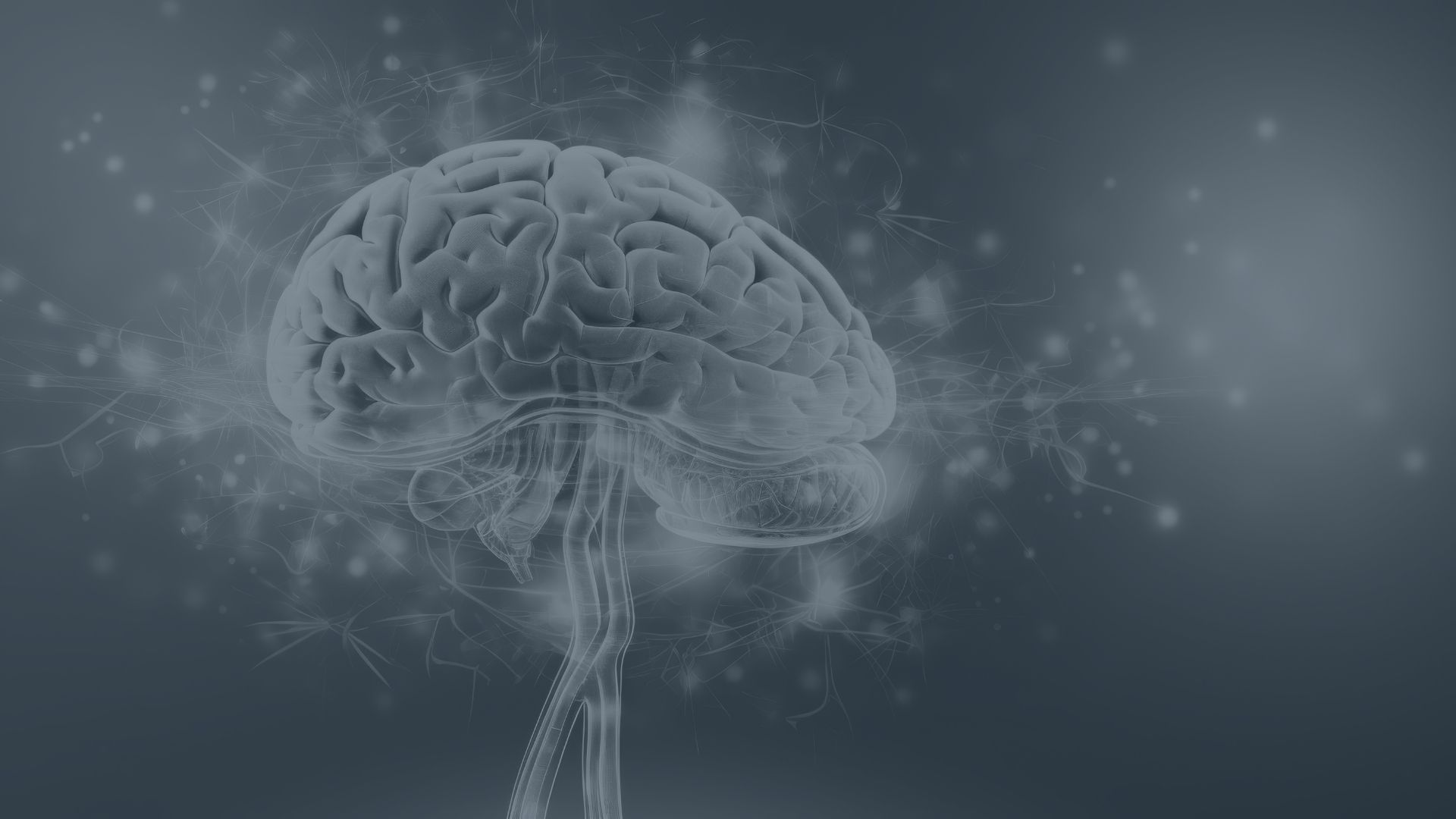
Inflammation & Brain Function
Understand how inflammation affects the brain, why it impacts mood and cognition, and how diet can calm the process.
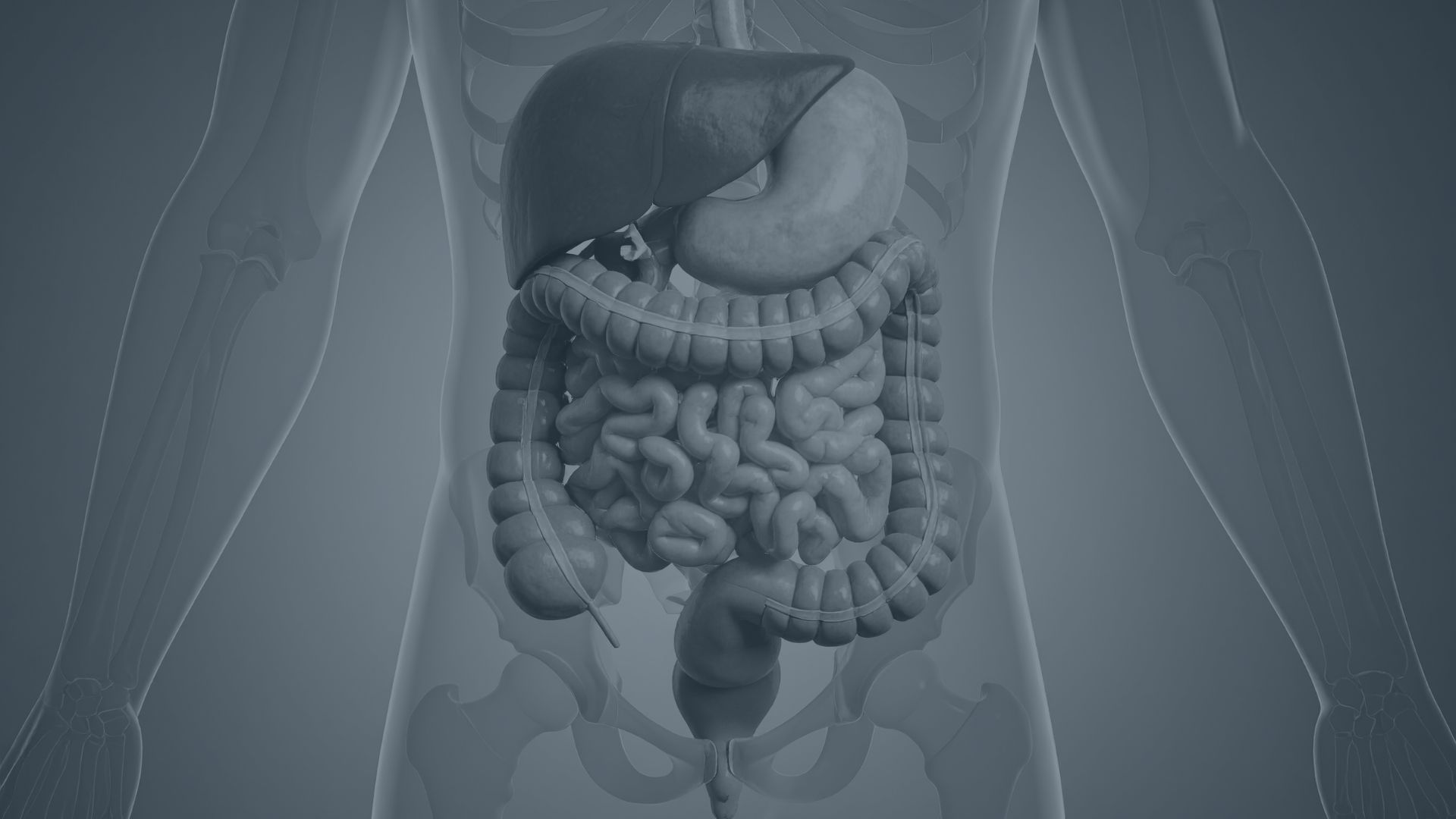
The Gut - Brain Connection
Discover how the gut communicates with the brain, influences mood and stress, and shapes overall mental wellbeing.

The Diet, Stress & Anxiety
Understand how diet influences stress hormones, anxiety pathways, and nervous system balance, and what supports calm and resilience.
Nutrition & The Ageing Brain
Learn what changes in the brain with age, what drives cognitive decline, and how nutrition can support long-term brain health.
My Top Recipes For Supporting Brain & Mental Health

Wild Salmon, & Walnut Salad with Pomegranate

Lentil, Spinach & Turmeric 'Brain Nourishing' Stew

Sardine, Caramelised Shallot & Olive Tapenade

Warm Blueberry, Walnut & Cacao Baked Oats

Chicken, Mushroom & Rosemary Barley Risotto